Product managers and project leaders routinely weigh performance targets, budget limits, and regulatory demands when choosing between ABS and Polycarbonate (PC). These two amorphous thermoplastics cover a wide range of applications, yet their differences in impact strength, heat resistance, chemical compatibility, and cost create clear application boundaries.
Smart selections early in development prevent expensive redesigns and compliance setbacks. For a comprehensive analysis of the foundational trade-offs, pricing dynamics, and a structured 4-step framework, refer to our master guide: ABS vs PC: Which One Should You Choose for Your Product?
Consumer Electronics and Appliance Enclosures
Drop resistance and fire safety drive material decisions for smartphone cases, laptop housings, power adapters, and appliance covers. Many devices now require UL94 V-0 flame retardancy to satisfy safety standards and reduce fire risks.
FR-ABS (flame-retardant ABS) provides an economical choice for moderate-duty indoor enclosures. It achieves UL94 V-0 at practical wall thicknesses, flows well into thin and complex geometries, and keeps unit costs low. Project teams favor this material when operating temperatures remain below 80–90°C and drop heights stay limited.
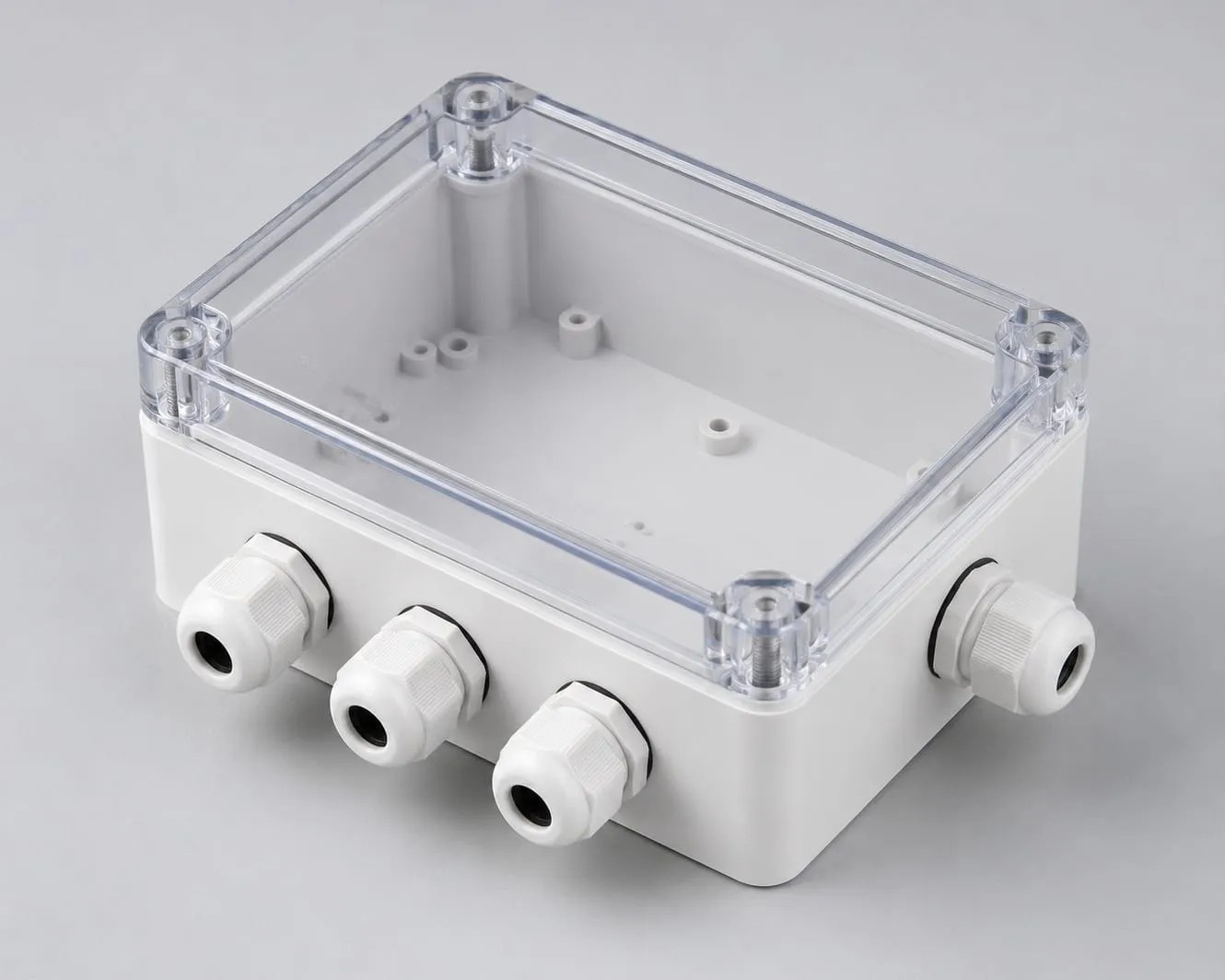
PC and PC/ABS alloys address higher performance needs. Unreinforced PC delivers notched Izod impact values typically between 500–800 J/m, far surpassing ABS (150–400 J/m), and maintains toughness even after multiple drops. Its heat deflection temperature (HDT @ 1.82 MPa) reaches 130–140°C compared to ABS at 80–95°C. PC/ABS blends combine meaningful impact improvement with easier processing and reliable V-0 ratings, making them popular in premium consumer electronics and battery-powered devices where internal heat buildup occurs.
To evaluate whether this alloy fits your financial targets, read our detailed TCO comparison in Strategic Resin Sourcing: Cost-Benefit Analysis of ABS, PC, and PC/ABS Alloys to see how it reduces floor-level scrap risks and processing costs.
Automotive Interior and Exterior Components
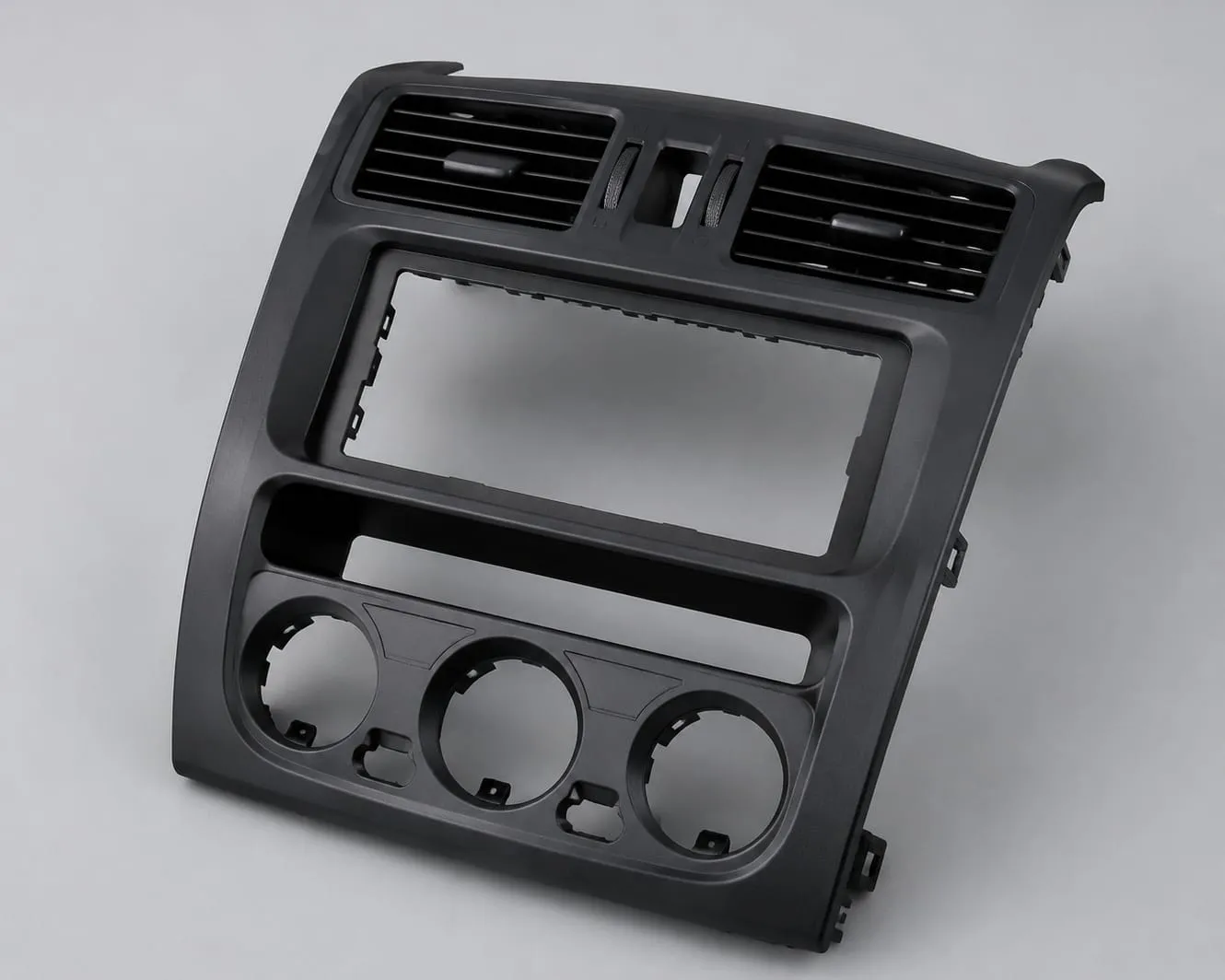
Automotive parts face simultaneous mechanical, thermal, and environmental challenges. Instrument panels, center consoles, grilles, mirror housings, and pillar trims illustrate typical selection logic.
ABS performs strongly in painted or plated interior trim where surface quality matters most. Its excellent adhesion supports chrome plating and multiple paint systems while delivering good dimensional stability at attractive costs. Many non-structural or low-visibility components rely on ABS for these reasons.
PC/ABS alloys handle more rigorous positions. The blend offers superior low-temperature impact, higher heat resistance (HDT often above 110°C), and better overall toughness than standard ABS. Exterior mirror housings and grilles frequently use UV-stabilized or painted PC/ABS grades to withstand sunlight exposure and temperature swings.
Selection Criteria Usually Include:
- Required impact and stiffness levels
- Temperature range during vehicle life
- Surface treatment needs (plating, painting)
- UV and weathering exposure
- Target cost per part
Premium vehicle interiors increasingly specify PC/ABS where long-term durability justifies the moderate material premium.
Medical Device Housings and Components
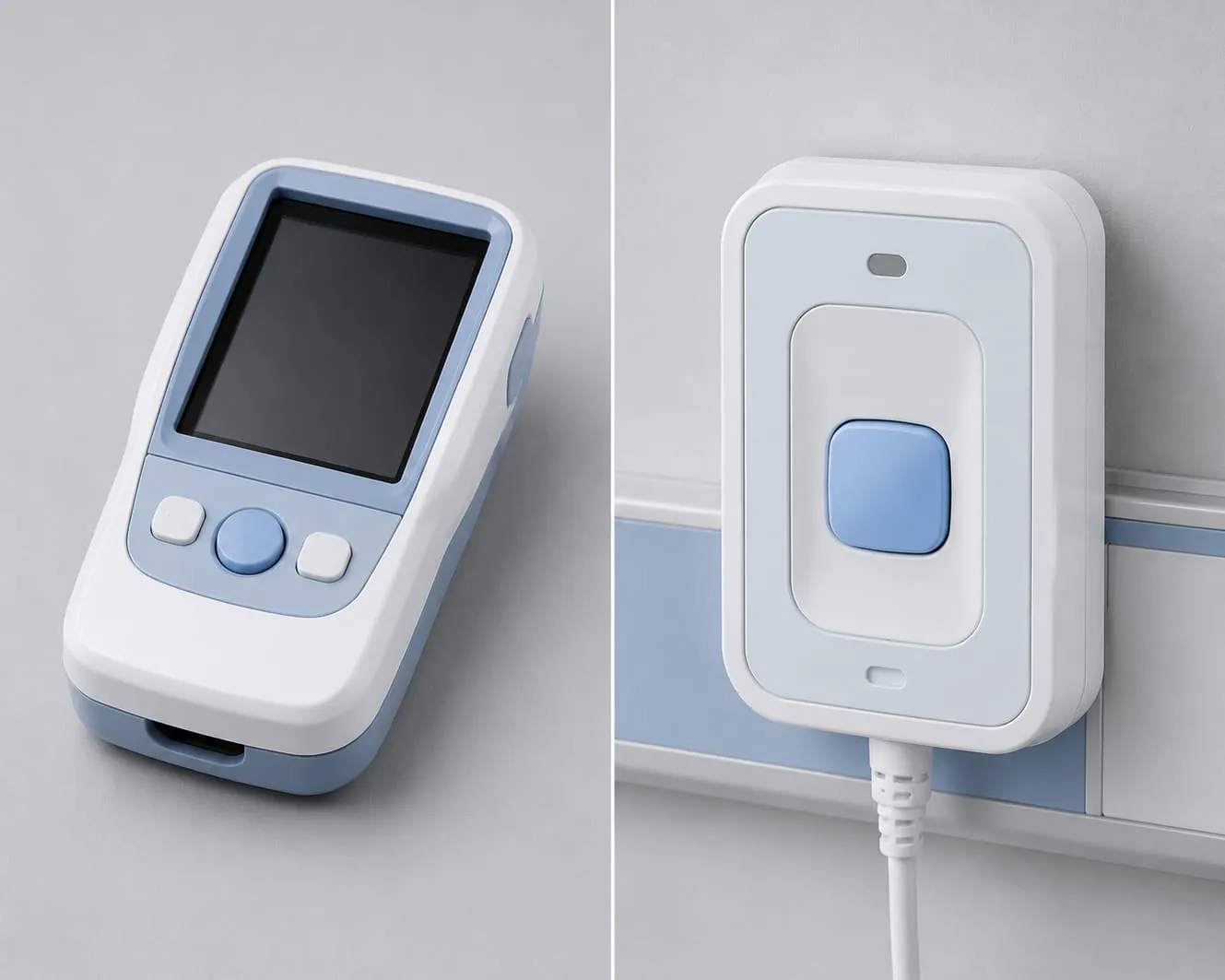
Medical applications add strict biocompatibility and repeated chemical exposure requirements. Housings, covers, and enclosures must tolerate aggressive disinfectants such as isopropyl alcohol, quaternary ammonium compounds, and bleach-based cleaners.
PC provides high clarity and excellent impact resistance, suiting transparent components like lenses and device covers. However, it remains susceptible to environmental stress cracking (ESC) when exposed to certain solvents and disinfectants. Generous fillet radii (R/T ≥ 0.25), proper annealing, and optimized processing help reduce this risk.
ABS offers inherently better resistance to many common hospital disinfectants, though it trades off some impact strength and heat resistance. Medical-grade versions of both materials, along with PC/ABS alloys, comply with ISO 10993 and USP Class VI biocompatibility standards. These grades support common sterilization methods including gamma radiation, ethylene oxide (EtO), and e-beam.
Key Evaluation Points for Medical Projects:
- Frequency and duration of disinfectant contact
- Chosen sterilization method and cycle count
- Need for transparency
- Mechanical loading expectations
- Regulatory documentation requirements
Need Personalized Material Guidance?
Struggling to choose between ABS, PC, or their alloys for your next project? Our material engineering team can help you validate performance, test regulatory compliance, and find the optimal cost-performance balance.
Practical Decision Framework
ABS typically wins in cost-sensitive applications with controlled indoor environments and moderate performance needs. PC and its alloys deliver clear advantages when superior impact, heat resistance, or demanding regulatory requirements come into play.
Successful teams begin material evaluation early, review detailed property datasheets, run application-specific testing, and secure supplier compliance documentation. Cross-functional collaboration between product management, engineering, and procurement smooths the path to market.