Polyhydroxyalkanoates (PHA) are a family of bio-polyesters synthesized naturally by microorganisms. Unlike traditional plastics, PHA production involves no petroleum feedstock.
Under nutrient-limited conditions, bacteria store energy as intracellular "fat" granules—this is the PHA polymer. It is a process closer to brewing beer than refining oil.
-
100% Bio-based: Derived from sugars or vegetable oils.
-
Low Carbon Footprint: Reduces greenhouse gas emissions by up to 90%.
-
Ambient Production: No high-pressure chemical synthesis required.
The Origin
PHA is a natural metabolite produced effectively at room temperature, distinct from energy-intensive fossil fuel cracking.
Cradle-to-Cradle
Fits perfectly into the circular economy. End-of-life products become nutrients for the next generation of microbes.
Why PHA Revolutionizes 3D Printing
Beyond "Green": The intersection of sustainability and high-performance engineering.
All-Environment Biodegradability
Unlike PLA (requires 55°C+ industrial composters), PHA degrades in soil, freshwater, and marine environments. Certified TÜV OK Biodegradable Marine.
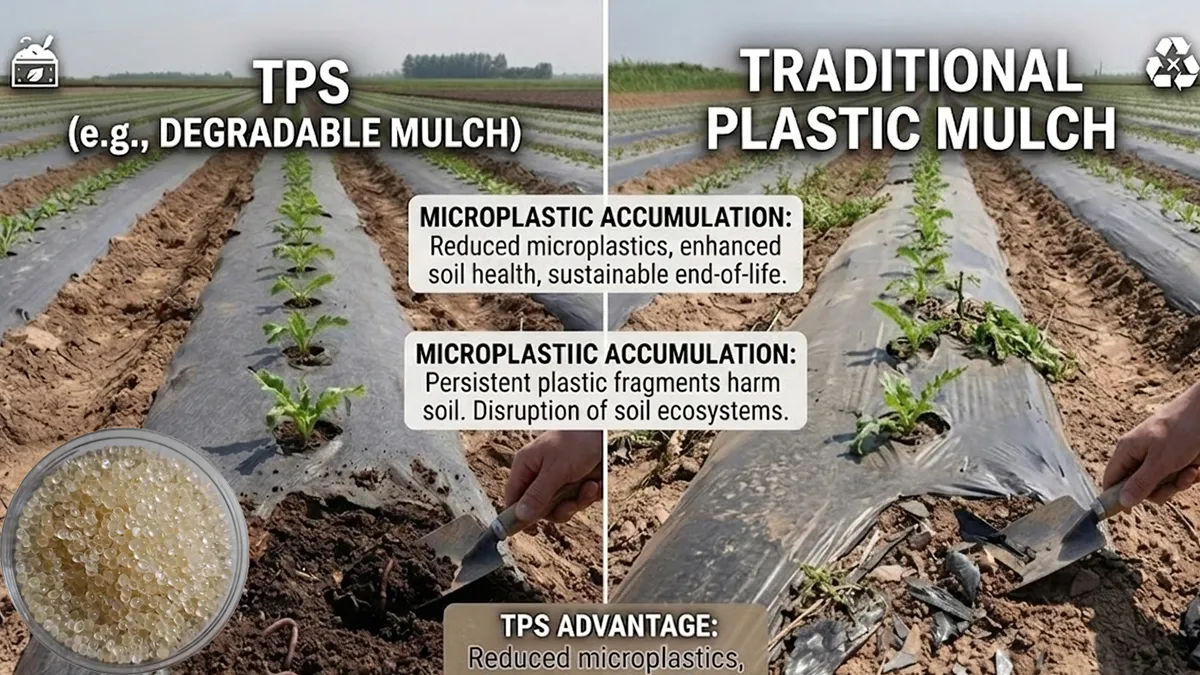
Zero Microplastic Crisis
Eliminates long-term toxicity risks. The material breaks down completely into CO₂ and water via microbial enzymatic action, leaving no persistent particles.
Gen 3 Performance (2026)
Now offering HDT exceeding 100°C (post-crystallization) and superior interlayer adhesion. Optimized for "Cold Bed" printing (0–30°C) for energy efficiency.
The "Sleeping Giant" Awakens
Comparing Gen 3 PHA against traditional 3D printing incumbents based on 2026 market data.
| Property | PHA (Gen 3) | PLA | PETG | ABS |
|---|---|---|---|---|
| Feedstock | 100% Bio-based | Bio-based | Petroleum | Petroleum |
| Marine Degradable | Yes (Certified) | No | No | No |
| HDT (Heat Resistance) | 85°C – 120°C+ | ~55°C | ~75°C | ~95°C |
| Bed Temp | 0°C – 30°C (Cold Bed) | 50°C – 60°C | 70°C – 90°C | 100°C+ |
| Impact Strength | High (Ductile) | Low (Brittle) | Medium-High | High |
For a deep dive into the mechanical properties and stress-test results of PHA compared to traditional materials, explore our comprehensive technical analysis: Revolutionizing 3D Printing with PHA Filament: Performance, Sustainability, and Applications.
01 From Lab to Industrial FGF
In 2026, PHA has expanded from hobbyist filaments to FGF (Fused Granulate Fabrication). Modern resins utilize advanced thermal stabilizers, broadening the print window to 180°C–210°C without degradation.
Rapid Crystallization
New nucleating agents allow print speeds up to 250mm/s without sagging or collapse.
02 2026 Commercial Landscape
Brands like colorFabb, Loopha™, and Ecogenesis are leading the charge. Global capacity has tripled since 2024, stabilizing prices and making PHA a viable competitor for premium sustainable projects.