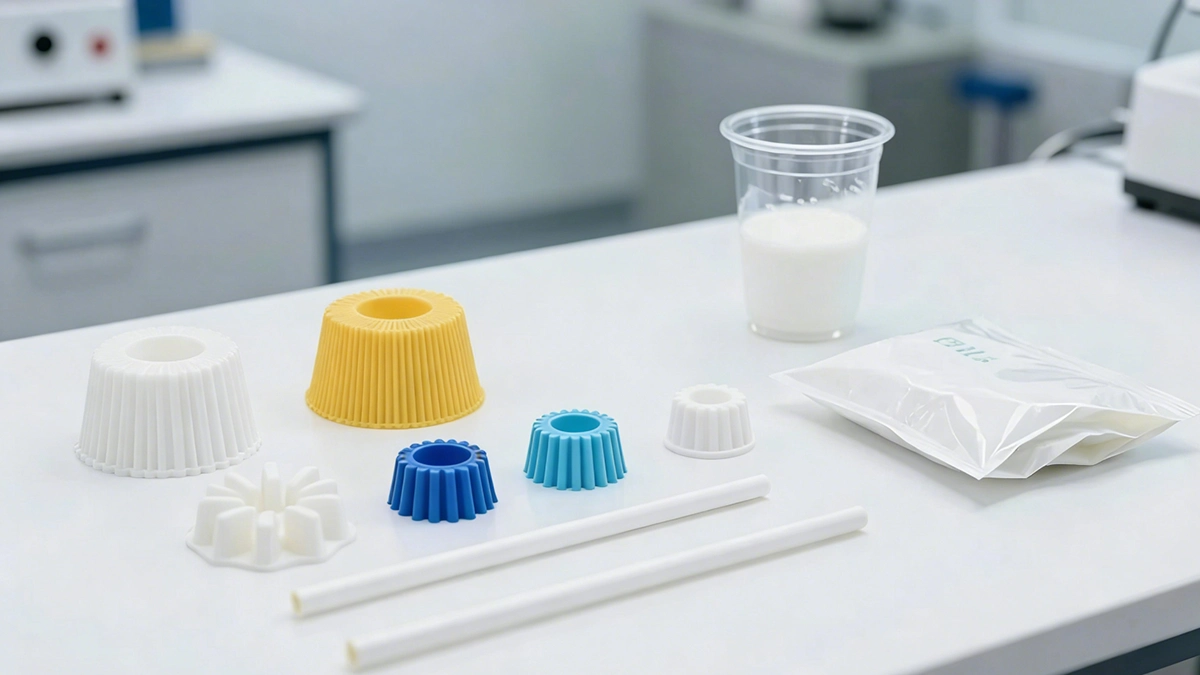
Polyethylene terephthalate (PET) is a thermoplastic polyester widely used in packaging, fibers, films, and industrial components. Its combination of high strength, dimensional stability, transparency, and chemical resistance enables PET resin to meet the performance requirements of various manufacturing processes.
In industrial production, PET is not a one-size-fits-all material. Different PET resin grades are developed for specific applications, such as bottle-grade PET for beverage containers, fiber-grade PET for textile production, and film-grade PET for packaging films and electrical insulation. Selecting the appropriate PET grade is essential to achieving the right balance between processing performance, product quality, and cost effectiveness.
This guide provides a detailed overview of polyethylene terephthalate, covering its properties, manufacturing processes, applications, and key considerations for selecting the right PET resin for different industrial applications.
What is Polyethylene Terephthalate (PET)?
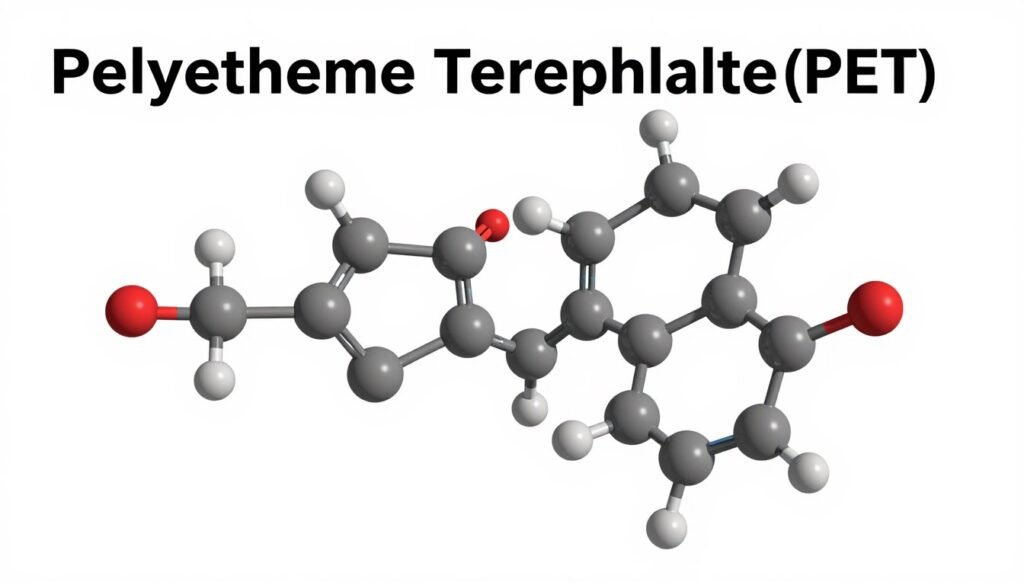
Polyethylene terephthalate (PET) is a thermoplastic polyester resin formed through the polymerization of ethylene glycol and terephthalic acid. The resulting polymer structure provides PET with a combination of mechanical strength, dimensional stability, transparency, and chemical resistance, making it suitable for a wide range of manufacturing applications.
Chemical Composition and Molecular Structure
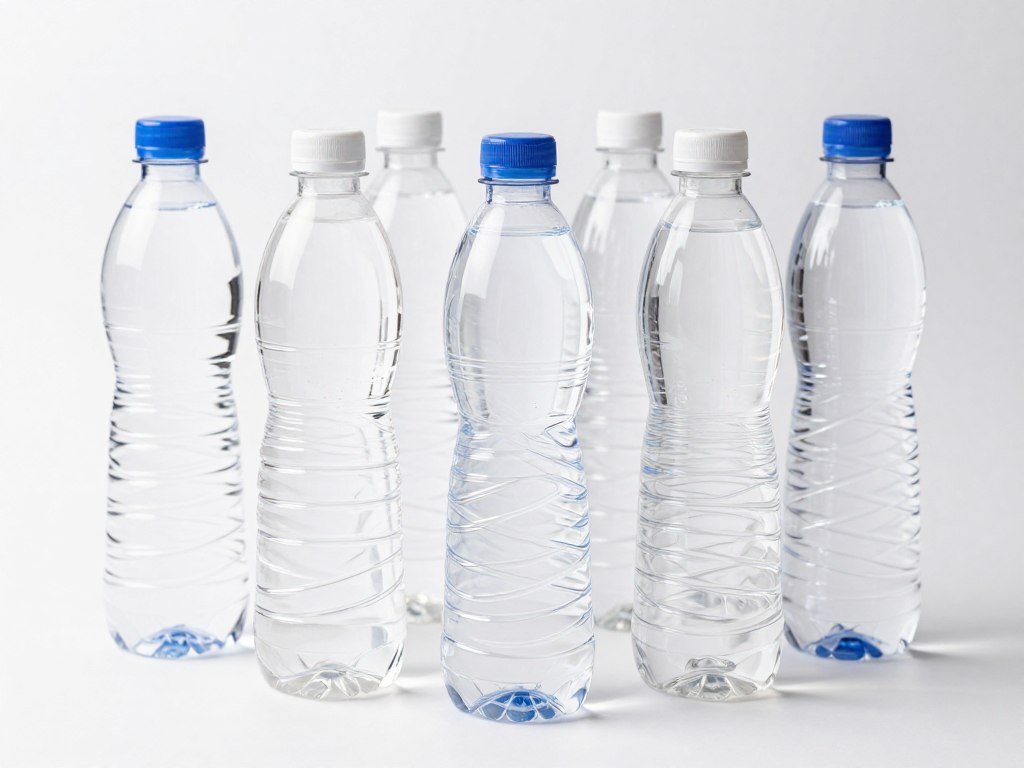
At the molecular level, PET consists of repeating ester groups connected within linear polymer chains. These ester linkages are formed through condensation polymerization, where ethylene glycol reacts with terephthalic acid to create strong molecular bonds while releasing water as a by-product. The arrangement of these molecular chains gives PET its characteristic balance of rigidity and flexibility.
PET’s structure is determined by two primary components: terephthalic acid, which provides the rigid aromatic segments, and ethylene glycol, which contributes flexibility to the polymer chain. Together, these components create a semi-crystalline material with properties that support different processing methods and end-use requirements.
Primary Components
The molecular building blocks of PET directly influence its performance characteristics:
- Terephthalic acid (aromatic dicarboxylic acid)
- Ethylene glycol (aliphatic diol)
- Ester linkages connecting monomer units
- Linear repeating polymer chains
Structural Features
These structural characteristics determine how PET performs during processing and in final applications:
- Semi-crystalline morphology
- Linear polymer chain structure
- Aromatic ring structures
- Ester functional groups
Global Significance and Market Position
Because PET properties can be adjusted through different resin formulations and processing conditions, PET resin is available in various grades designed for specific applications. Bottle-grade PET is commonly used for beverage containers, fiber-grade PET is used in textile production, and film-grade PET is selected for packaging films and industrial films.
PET is also widely recognized for its recyclability, with most consumer PET products identified by recycling code number one. This characteristic, combined with its performance advantages, has supported its continued use across packaging, textiles, and industrial applications.
Key Characteristics and Properties of PET Material
Understanding the properties of polyethylene terephthalate helps you determine whether this material suits your specific application requirements. PET offers a unique combination of mechanical, thermal, and chemical characteristics.
The polymer exhibits excellent strength-to-weight ratios. This property makes it ideal for applications where you need durability without excessive weight.
Let’s examine the specific properties that make PET such a valuable engineering material across diverse industries.
Physical and Mechanical Properties
PET demonstrates impressive mechanical strength for a plastic material. Tensile strength typically ranges from 50 to 70 MPa, depending on the grade and processing conditions.
The material’s modulus of elasticity falls between 2 to 4 GPa. This stiffness provides dimensional stability in finished parts and products.
Impact resistance varies with temperature and crystallinity. Amorphous PET shows better impact properties at room temperature compared to highly crystalline grades.
Thermal Characteristics
The glass transition temperature of PET occurs around 70-80°C. Below this temperature, the polymer behaves as a rigid, glassy material.
Melting temperature ranges from 250 to 260°C for standard grades. This relatively high melting point allows PET to withstand elevated temperatures during use and processing.
Heat deflection temperature varies with fiber reinforcement and crystallinity. Unreinforced PET typically shows heat deflection around 70°C, while glass-filled grades can exceed 200°C.
| Thermal Property | Temperature Range | Significance |
| Glass Transition (Tg) | 70-80°C | Defines lower service temperature limit |
| Melting Point (Tm) | 250-260°C | Processing temperature for molding |
| Heat Deflection | 70-90°C (unfilled) | Maximum use temperature under load |
| Crystallization Temperature | 140-220°C | Affects cooling rate during processing |
| Degradation Temperature | >300°C | Thermal stability limit |
Optical and Barrier Properties
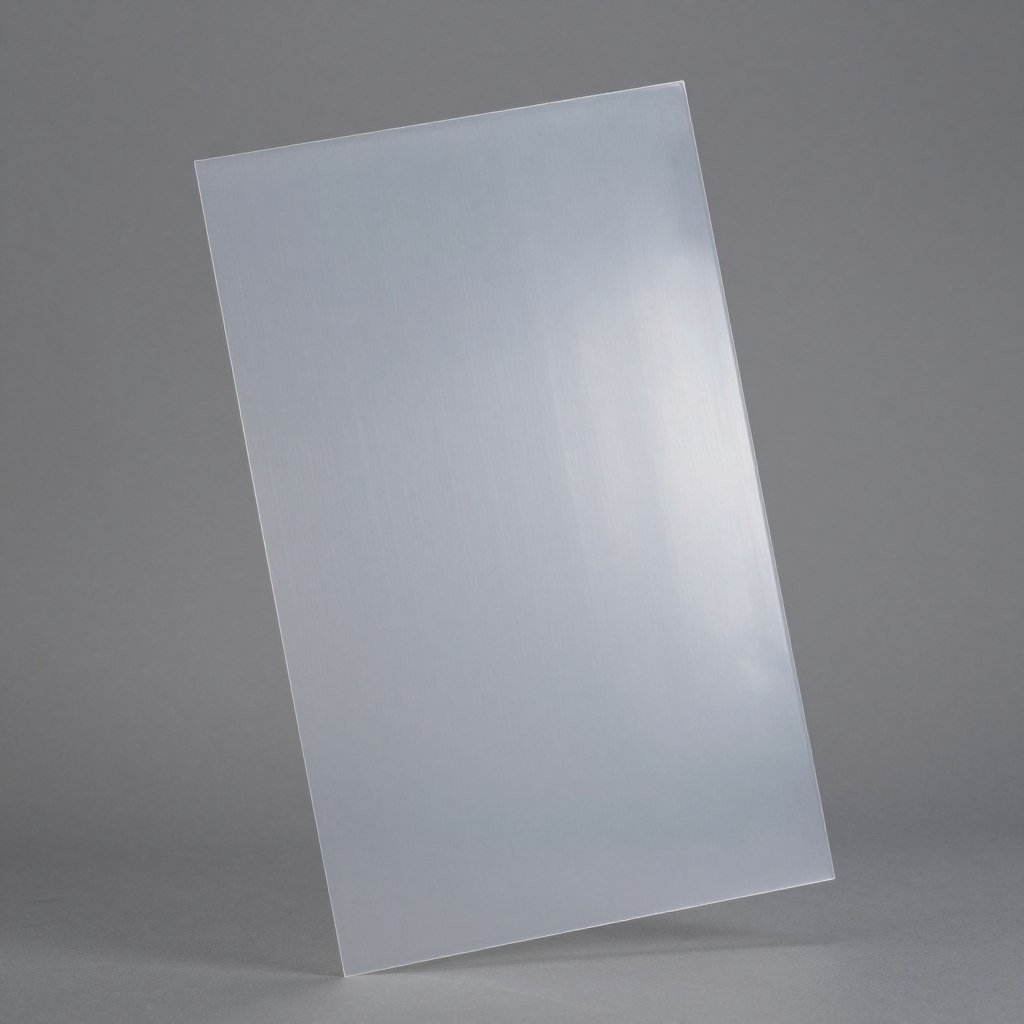
One of PET’s most valued characteristics is its excellent optical clarity. Amorphous PET transmits up to 90% of visible light, rivaling glass in transparency.
The material provides good barrier properties against carbon dioxide and oxygen gas. This makes PET suitable for beverage packaging where gas retention matters.
Water vapor transmission rates are moderate. While PET blocks gases effectively, it shows higher permeability to water compared to some other packaging materials.
Chemical Resistance
Polyethylene terephthalate resists many chemicals at room temperature. The material withstands exposure to oils, greases, alcohols, and most common solvents.
Strong acids and bases can attack PET, particularly at elevated temperatures. This limits its use in highly corrosive environments.
The polymer shows excellent resistance to hydrocarbons and weak acids. This chemical stability supports its use in food and beverage applications.
Chemical Compatibility
- Resistant to alcohols and weak acids
- Withstands most organic solvents
- Compatible with oils and greases
- Stable with common detergents
- Resists aliphatic hydrocarbons
Chemical Limitations
- Degraded by strong acids
- Attacked by strong bases
- Vulnerable to aromatic solvents
- Sensitive to hot water over time
- Affected by some chlorinated compounds
Need Help Selecting the Right PET Grade?
Download our comprehensive PET properties datasheet with detailed specifications, or connect with our material selection experts for personalized guidance on choosing the optimal grade for your application.
Types and Commercial Grades of PET: How to Select the Right Grade?
Manufacturers produce numerous PET grades tailored for specific applications. Understanding these variations helps you select the most appropriate material for your project requirements.
Each grade differs in molecular weight, additives, and processing characteristics. These variations affect performance, cost, and suitability for different manufacturing processes.
Let’s explore the major categories of PET materials and how to choose between them.
Bottle-Grade PET (BOPET)
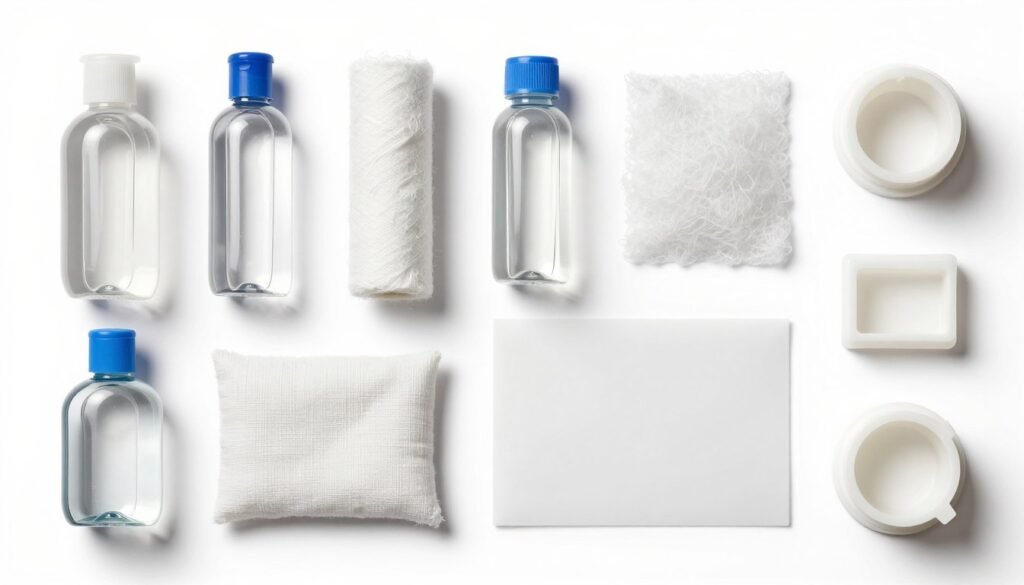
Bottle-grade polyethylene terephthalate represents the largest segment of PET production. This grade emphasizes clarity, strength, and gas barrier properties for packaging applications.
The intrinsic viscosity of bottle-grade PET typically ranges from 0.70 to 0.85 dL/g. Higher viscosity grades provide better mechanical properties but require more energy during processing.
You’ll find this material in water bottles, carbonated beverage containers, and food packaging. The grade must meet strict food-contact safety regulations worldwide.
Fiber-Grade PET
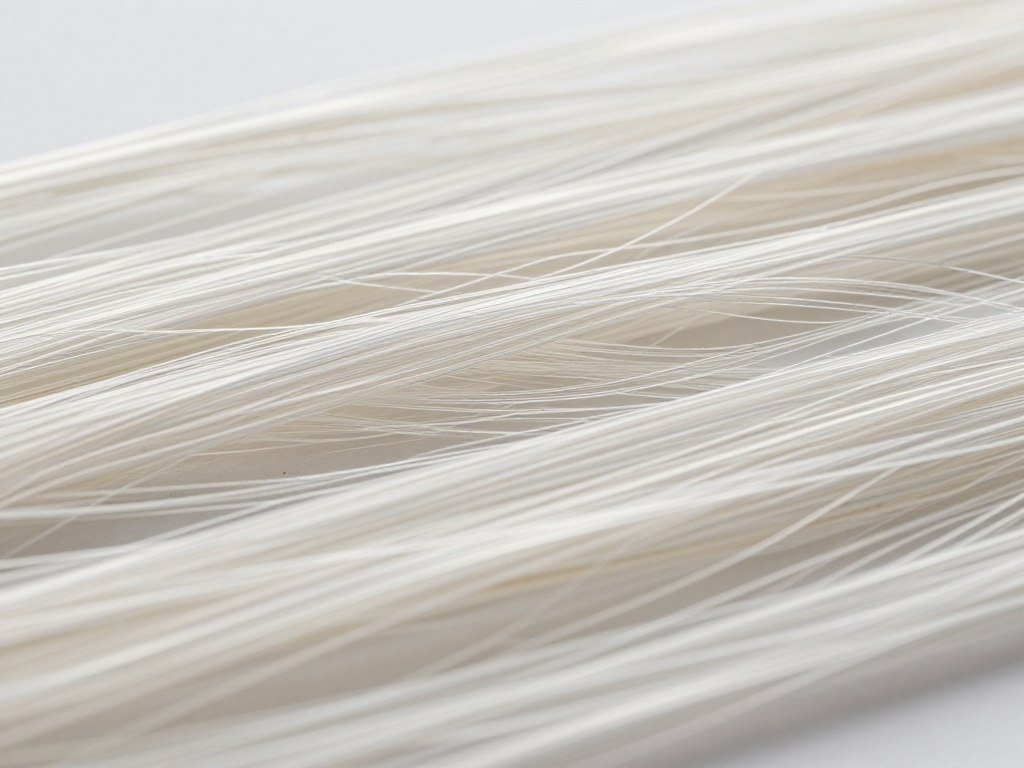
Textile applications consume approximately 60% of global PET production. Fiber-grade polymer requires specific molecular weight and purity characteristics for spinning into filaments.
This grade typically has lower intrinsic viscosity compared to bottle grades, around 0.60 to 0.70 dL/g. The lower viscosity facilitates extrusion through fine spinnerets during fiber production.
Polyester fabrics, carpets, and industrial textiles all utilize fiber-grade PET. The material provides durability, wrinkle resistance, and easy-care properties in textile applications.
Film-Grade PET
Film applications demand exceptional clarity and uniform thickness. Film-grade PET undergoes biaxial orientation to enhance strength and barrier properties.
This process creates materials with excellent dimensional stability. Oriented PET films find use in food packaging, electrical insulation, and photographic applications.
Metallized PET films provide superior barrier properties. A thin aluminum coating applied to the film surface dramatically reduces gas and moisture transmission.
Engineering-Grade PET
Engineering applications require enhanced mechanical and thermal properties. Manufacturers modify PET with glass fibers, minerals, or impact modifiers to meet demanding specifications.
Glass-reinforced grades contain 10-50% glass fiber by weight. These composites offer significantly higher stiffness, strength, and heat resistance compared to unfilled resin.
You’ll encounter engineering PET in automotive parts, electrical components, and industrial applications. These grades compete with more expensive engineering polymers in many applications.
| PET Grade Type | Intrinsic Viscosity (dL/g) | Key Properties | Primary Applications |
| Bottle Grade | 0.70-0.85 | High clarity, good gas barrier, impact resistance | Beverage bottles, food containers, packaging |
| Fiber Grade | 0.60-0.70 | Spinnable viscosity, color stability, strength | Textiles, carpets, industrial fibers |
| Film Grade | 0.65-0.75 | Excellent clarity, uniform thickness, biaxial orientation | Flexible packaging, electrical insulation, labels |
| Engineering Grade (unfilled) | 0.75-0.95 | High molecular weight, dimensional stability | Injection molded parts, technical components |
| Glass Reinforced | 0.70-0.85 | Enhanced stiffness, high heat deflection, low creep | Automotive parts, electrical housings, structural components |
Specialty and Modified Grades
Specialty PET grades incorporate additives for specific performance enhancements. These modifications address particular application requirements that standard grades cannot meet.
UV-stabilized grades contain additives that prevent degradation from sunlight exposure. These materials maintain properties and appearance in outdoor applications.
Flame-retardant PET meets stringent fire safety requirements. Halogenated or phosphorus-based additives reduce flammability for electrical and construction applications.
- Unmodified resin composition
- Natural transparency
- Standard processing temperatures
- Cost-effective base material
- Broad application suitability
- Excellent recyclability
Standard PET Features
- Enhanced heat resistance
- Improved impact strength
- UV protection capabilities
- Flame retardant properties
- Custom color options
- Specialized barrier performance
Modified PET Advantages
- Application temperature requirements
- Mechanical load specifications
- Environmental exposure conditions
- Processing equipment compatibility
- Regulatory compliance needs
- Cost versus performance balance
Selection Considerations
Grade Selection Guidelines
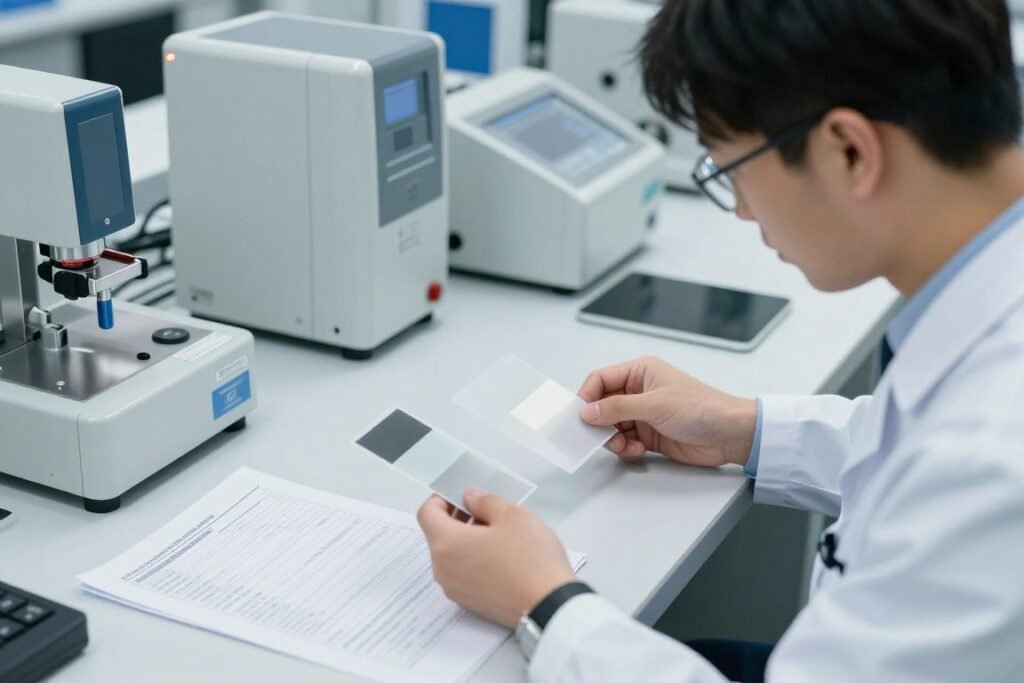
Selecting the appropriate PET grade requires analyzing multiple factors. Start by defining your application’s performance requirements and processing constraints.
Consider the operating temperature range your parts will experience. High-temperature applications may require glass-reinforced or crystallized grades for adequate heat resistance.
Evaluate mechanical stress levels in your application. Impact-prone environments benefit from modified grades with enhanced toughness additives.
Critical Selection Factors
These parameters directly influence which PET grade will perform best in your specific application scenario.
- Maximum service temperature requirements
- Required mechanical strength and stiffness
- Environmental resistance needs
- Optical properties (clarity versus opacity)
- Barrier requirements for gases or moisture
- Regulatory compliance standards
- Processing method compatibility
- Cost constraints and volume requirements
Common Selection Mistakes
Avoid these frequent errors when choosing PET grades to ensure optimal performance and cost-effectiveness.
- Overlooking thermal expansion coefficients
- Ignoring moisture absorption effects
- Underestimating processing temperature needs
- Selecting based solely on cost
- Not considering long-term property retention
- Neglecting chemical exposure conditions
- Failing to account for assembly methods
- Ignoring recycled content requirements
Recycled PET (rPET) Grades
Recycled PET has gained significant market share driven by sustainability initiatives. Post-consumer recycled material offers environmental benefits while maintaining acceptable performance in many applications.
The quality of recycled PET depends on the source material and reprocessing methods. Food-grade rPET requires extensive purification to meet safety standards for direct food contact.
Many manufacturers now blend virgin and recycled PET to balance performance and sustainability. Blends containing 25-50% recycled content perform well in numerous applications while reducing environmental impact.
Major Applications: What are the Main Uses of PET?
Polyethylene terephthalate serves an extraordinarily diverse range of applications. This versatility stems from its unique combination of properties and cost-effectiveness across multiple industries.
From packaging to textiles, from automotive components to medical devices, PET materials enable innovative solutions. Understanding these applications helps you recognize opportunities for material substitution or product development.
Let’s examine the primary markets where PET dominates and why manufacturers choose this polymer for these applications.
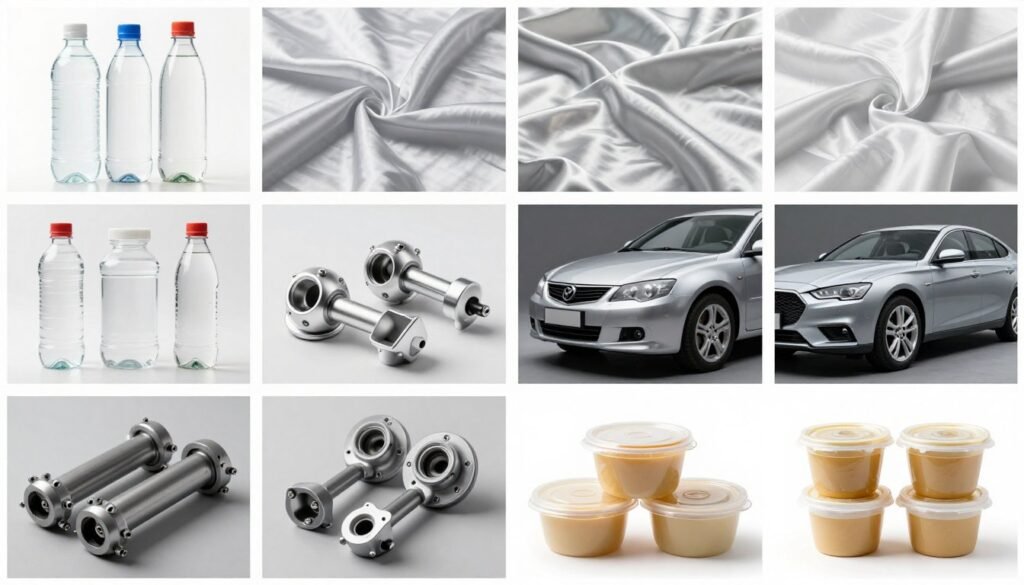
Beverage and Liquid Packaging
The beverage industry represents the largest single market for PET materials. Approximately 30% of global PET production goes into bottles for water, soft drinks, and other beverages.
PET bottles offer several advantages over alternative packaging materials. The material provides excellent gas barrier properties that maintain carbonation in soft drinks.
Lightweight construction reduces transportation costs and carbon footprint. A PET bottle weighs significantly less than equivalent glass containers while providing comparable product protection.
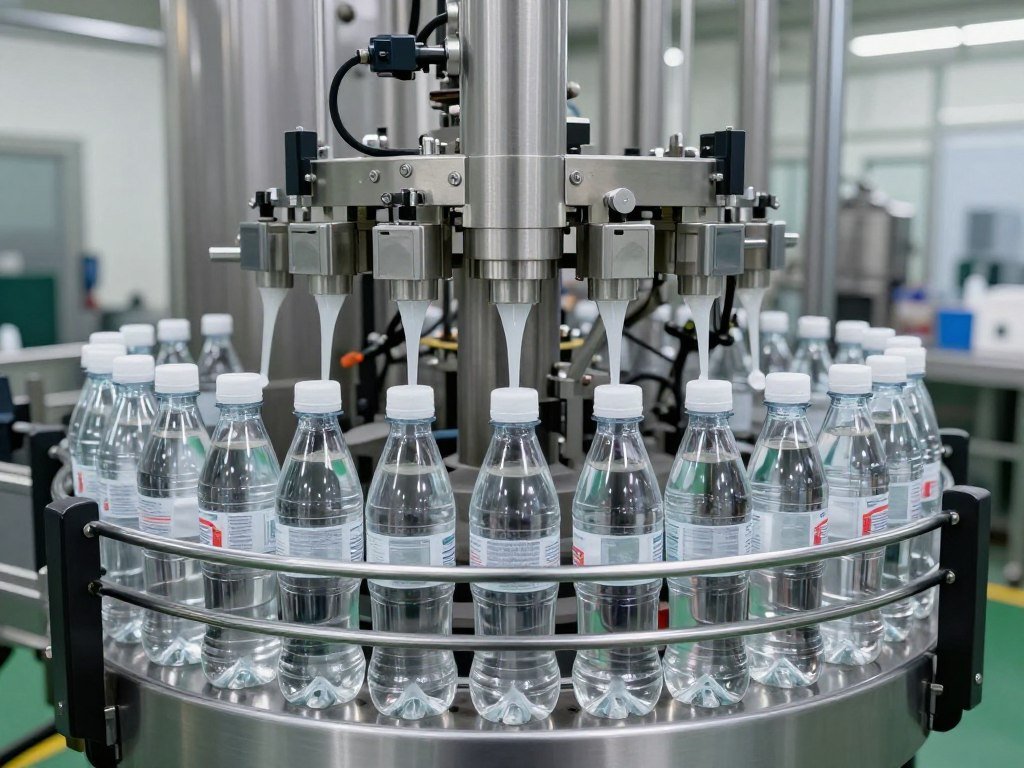
Consumer preference drives continued growth in this market. The transparency, break resistance, and resealability of PET bottles align with modern consumer demands.
Food Packaging Applications
Food packaging extends beyond beverages to include containers, trays, and films. PET materials provide the necessary barrier properties to protect food products from contamination and spoilage.
Modified atmosphere packaging utilizes PET films to extend shelf life. The material’s selective gas permeability helps maintain optimal oxygen and carbon dioxide levels inside packages.
Ovenable PET trays have emerged for ready-meal applications. These specialized grades withstand temperatures up to 220°C, enabling direct oven-to-table convenience.
Fresh Food Packaging
Clamshell containers and produce trays utilize PET’s clarity to display products attractively while protecting contents from handling damage.
- Fruit and vegetable containers
- Bakery product clamshells
- Deli and prepared food trays
Shelf-Stable Products
Barrier-enhanced PET packaging extends shelf life for products requiring protection from oxygen and moisture infiltration.
- Salad dressing bottles
- Condiment containers
- Cooking oil packaging
Convenience Foods
Heat-resistant PET enables microwave and oven-safe packaging for modern convenience food products.
- Ready-meal trays
- Frozen food containers
- Microwaveable bowls
Textile and Fiber Applications
The textile industry consumes more PET by volume than any other application sector. Polyester fiber production accounts for approximately 60% of total PET demand globally.
Apparel manufacturers value polyester’s durability and easy-care properties. The material resists wrinkles, maintains shape, and dries quickly compared to natural fibers.
Home furnishing applications include carpets, upholstery, and bedding. PET fibers provide excellent wear resistance and color retention in these demanding applications.
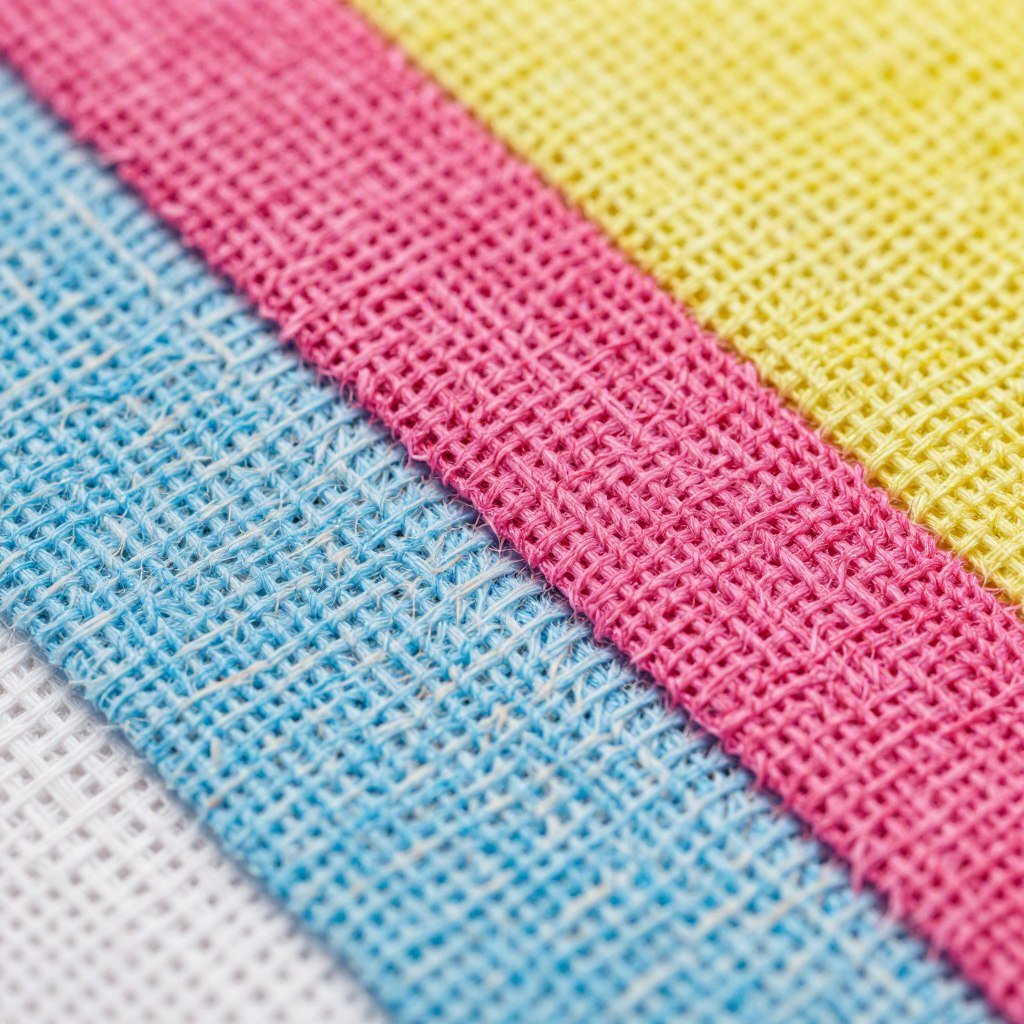
Industrial textiles represent another significant market. Conveyor belts, tire cords, and seat belts utilize PET’s high tensile strength and dimensional stability.
Engineering and Automotive Applications
Glass-reinforced PET competes effectively with traditional engineering plastics in automotive components. The material offers an attractive balance of performance and cost.
Under-hood applications benefit from PET’s chemical resistance and temperature stability. Components such as air intake manifolds, electrical connectors, and sensor housings utilize this material.
Interior trim parts leverage PET’s surface finish quality and dimensional accuracy. Door handles, instrument panel components, and seat parts use various PET grades.
| Automotive Component | PET Grade Used | Key Performance Benefits |
| Electrical Connectors | Glass-reinforced (30%) | Dimensional stability, electrical insulation, heat resistance |
| Air Intake Manifolds | Glass-reinforced (40%) | Chemical resistance, high-temperature performance, rigidity |
| Sensor Housings | Glass-reinforced (30%) | Precise molding, thermal stability, durability |
| Interior Trim | Unfilled or mineral-filled | Surface quality, colorability, impact resistance |
| Seat Components | Impact-modified | Toughness, flame retardancy, cost-effectiveness |
Electronics and Electrical Components
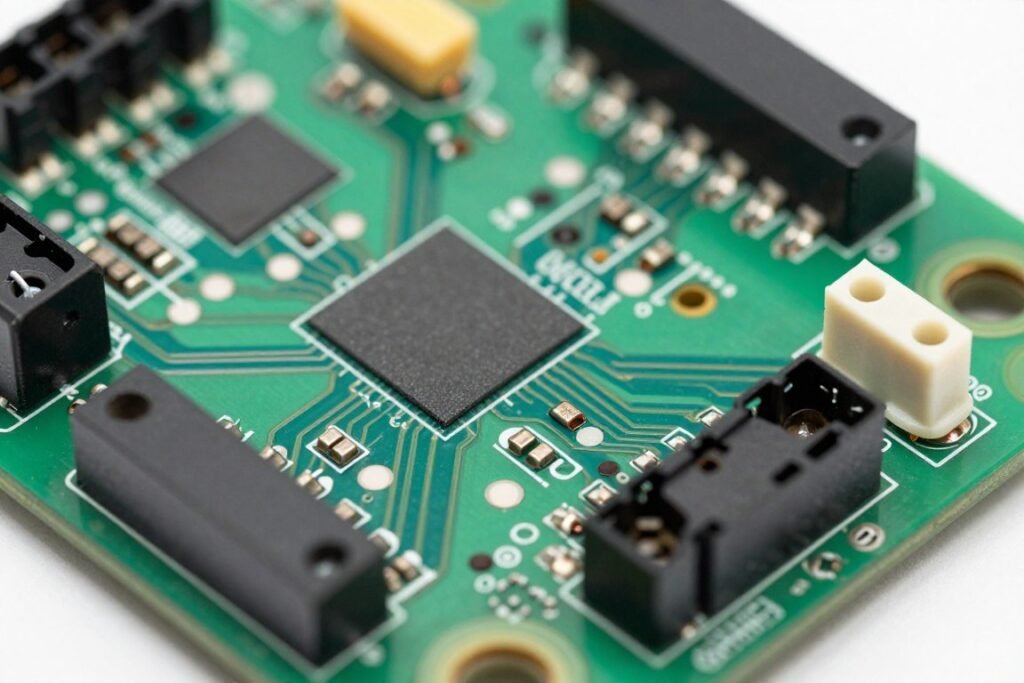
The electronics industry utilizes PET in multiple forms. Film applications include flexible circuits, membrane switches, and display components.
Electrical insulation represents a traditional PET application. The material’s dielectric properties and thermal resistance suit transformer insulation and motor winding applications.
Consumer electronics housings increasingly incorporate PET composites. Smartphone cases, laptop components, and power tool housings benefit from the material’s strength and moldability.
Industrial and Specialized Uses
Industrial applications exploit PET’s chemical resistance and mechanical properties. Strapping materials for cargo securing utilize high-tenacity PET fibers.
Medical applications include sterile packaging for surgical instruments and pharmaceutical products. PET’s clarity allows visual inspection while maintaining barrier protection.
Solar panel components use specialized PET films. Back-sheet materials protect photovoltaic cells while withstanding outdoor environmental exposure for 20+ years.
Find PET Suppliers for Your Specific Application
Connect with qualified PET material suppliers who specialize in your industry. Our supplier network provides access to bottle-grade, fiber-grade, engineering, and specialty PET materials with technical support throughout your development process.
Manufacturing and Processing Techniques for PET
Understanding PET manufacturing processes helps you optimize part design and material selection. Different processing methods create products with varying properties and performance characteristics.
From polymerization to final part production, each step influences material quality. Processing parameters significantly affect crystallinity, molecular orientation, and ultimately, product performance.
Let’s explore how manufacturers transform raw materials into PET products through various industrial processes.
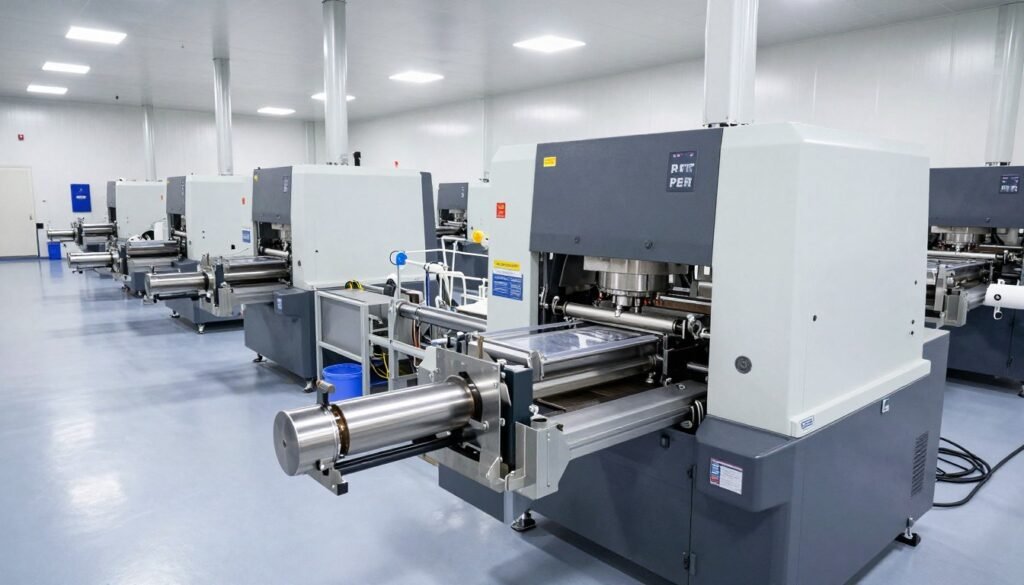
Polymerization Process
PET production begins with the reaction between ethylene glycol terephthalic acid and ethylene glycol. This condensation polymerization occurs in two main stages.
The esterification stage combines terephthalic acid with excess ethylene glycol at temperatures around 240-260°C. This reaction produces bis(hydroxyethyl) terephthalate and water as a byproduct.
Polycondensation follows as the second stage. Higher temperatures (270-290°C) and reduced pressure drive the polymerization reaction forward, removing ethylene glycol to build molecular weight.
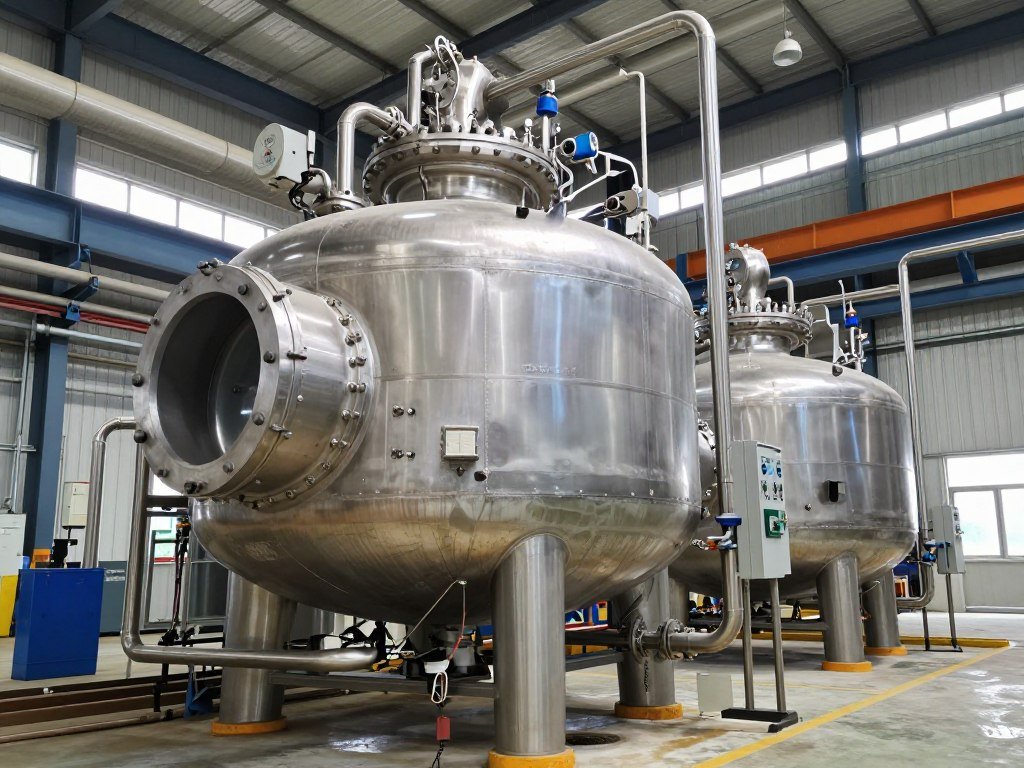
Solid-state polymerization further increases molecular weight for certain applications. Chip-form PET undergoes heating below the melting temperature in an inert atmosphere, continuing the condensation reaction.
Injection Molding
Injection molding creates three-dimensional PET parts with complex geometries. This process dominates production of bottles, containers, and engineering components.
Material preparation begins with drying. PET absorbs moisture from air, which causes hydrolytic degradation during processing. You must dry the resin to less than 0.005% moisture content before molding.
Processing temperatures typically range from 260-290°C depending on the grade. Mold temperatures significantly affect crystallinity and part properties.
- Cold mold temperature (10-20°C)
- Rapid cooling for clarity
- Lower dimensional stability
- Transparent appearance
- Better impact resistance
- Lower heat resistance
Amorphous PET Molding
- Hot mold temperature (120-150°C)
- Controlled crystallization
- Superior dimensional stability
- Opaque white appearance
- Enhanced chemical resistance
- Higher heat deflection temperature
Crystalline PET Molding
Blow Molding for Bottles
The stretch blow molding process creates the familiar PET bottles used worldwide. This two-stage process begins with injection molding a preform.
Preforms resemble test tubes with threaded necks. The injection-molded preform has a thick wall that will be stretched and blown into the final bottle shape.
Reheating and stretching occurs in the blow molding stage. The preform is heated above the glass transition temperature, then mechanically stretched while high-pressure air inflates it into a mold cavity.
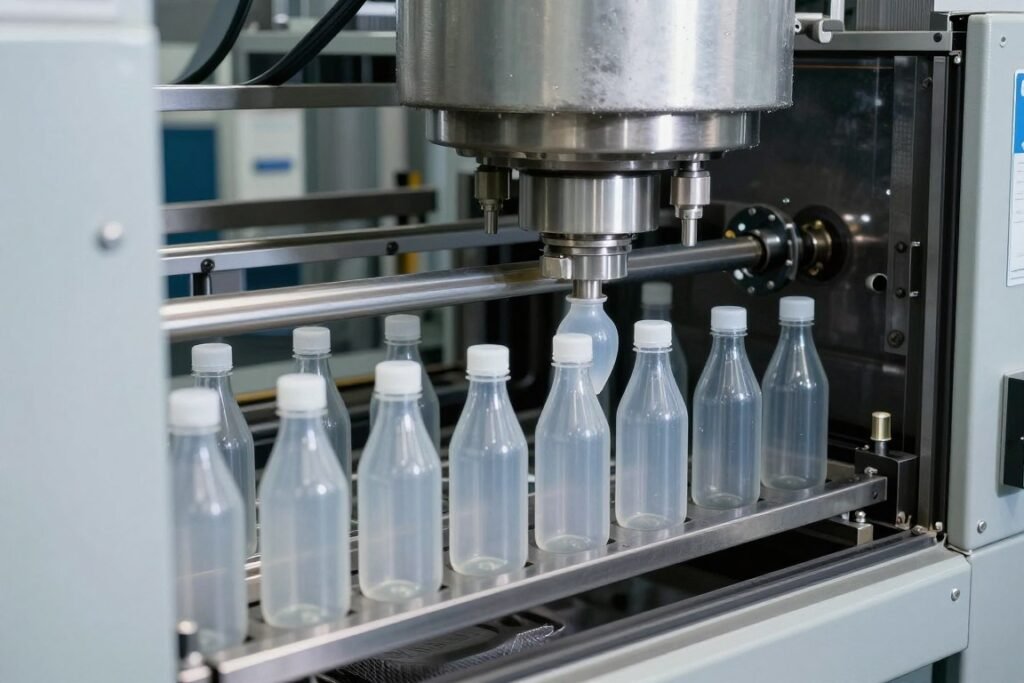
Biaxial orientation during stretching dramatically improves bottle properties. Molecular alignment in both axial and radial directions increases strength, clarity, and barrier performance.
Extrusion Processes
Extrusion transforms PET into continuous profiles, sheets, and films. This versatile process accounts for significant material consumption in packaging and industrial applications.
Sheet extrusion produces flat materials for thermoforming applications. The molten polymer passes through a flat die, then cooling rolls solidify and control thickness.
Film extrusion creates thin materials for flexible packaging. Blown film or cast film processes generate materials ranging from 10 to 250 micrometers thick.
| Extrusion Type | Product Form | Processing Temperature | Typical Applications |
| Sheet Extrusion | Flat sheets 0.5-6mm | 270-280°C | Thermoforming blanks, rigid packaging |
| Cast Film | Thin films 10-250μm | 265-275°C | Flexible packaging, laminations |
| Profile Extrusion | Custom cross-sections | 270-285°C | Structural parts, edge banding |
| Fiber Spinning | Continuous filaments | 285-295°C | Textile fibers, industrial yarn |
Fiber Production and Textile Manufacturing
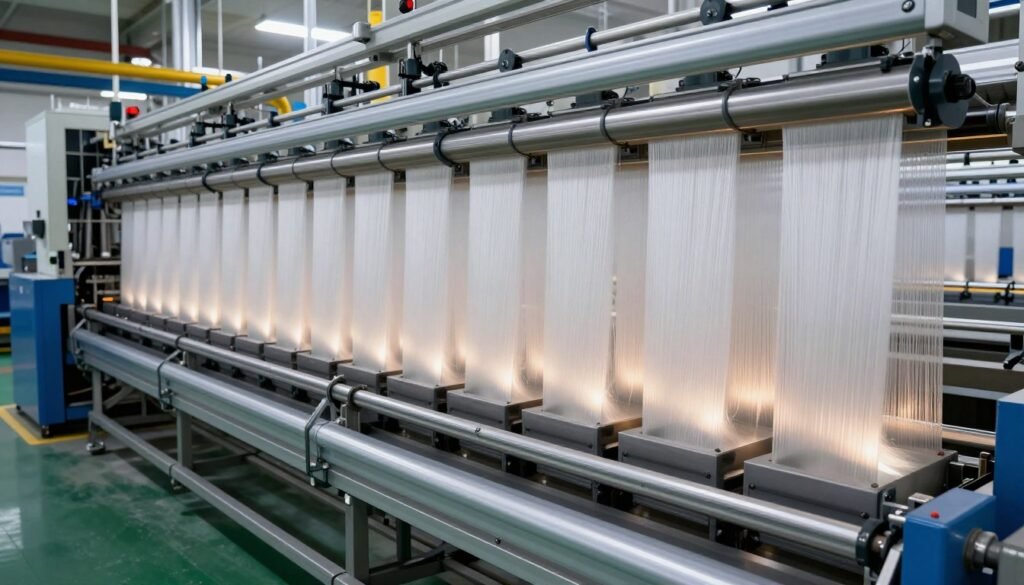
Converting PET into fiber requires specialized melt-spinning equipment. Molten polymer extrudes through spinnerets containing hundreds of fine holes, creating continuous filaments.
Drawing processes align the polymer chains and develop fiber strength. Heated rollers stretch the as-spun filaments by 300-500%, increasing tensile properties dramatically.
Texturizing creates the familiar characteristics of polyester fabric. Mechanical or thermal processes introduce crimps and loops that provide bulk, stretch, and improved hand feel.
Processing Considerations and Best Practices
Successful PET processing requires attention to several critical factors. Moisture content tops the list of processing concerns.
Drying parameters must be strictly controlled. Use desiccant dryers at 160-180°C for 4-6 hours to achieve proper moisture levels below 50 ppm.
Regrind incorporation requires careful consideration. You can typically add 15-25% recycled PET from production scrap without significantly affecting properties, provided the material is clean and properly dried.
Critical Processing Parameters
Temperature Control: Maintain barrel temperatures within ±5°C of setpoint to prevent degradation or incomplete melting.
Residence Time: Minimize material residence time in the barrel (typically under 5 minutes) to prevent thermal degradation and viscosity loss.
Cooling Management: Control cooling rates to achieve desired crystallinity levels and prevent warpage in molded parts.
Expert Processing Guidance for Your PET Application
Our technical team provides comprehensive processing support including parameter optimization, troubleshooting, and quality improvement consultation. Get detailed processing guides customized for your specific equipment and application requirements.
Sustainability and Environmental Impact of PET
Environmental considerations increasingly influence material selection decisions. Polyethylene terephthalate presents both challenges and opportunities in the sustainability arena.
The material’s recyclability stands as its strongest environmental attribute. PET ranks among the most successfully recycled plastics globally.
However, production from fossil fuels and environmental persistence raise legitimate concerns. Let’s examine the complete environmental picture of this ubiquitous polymer.
Recycling Infrastructure and Rates
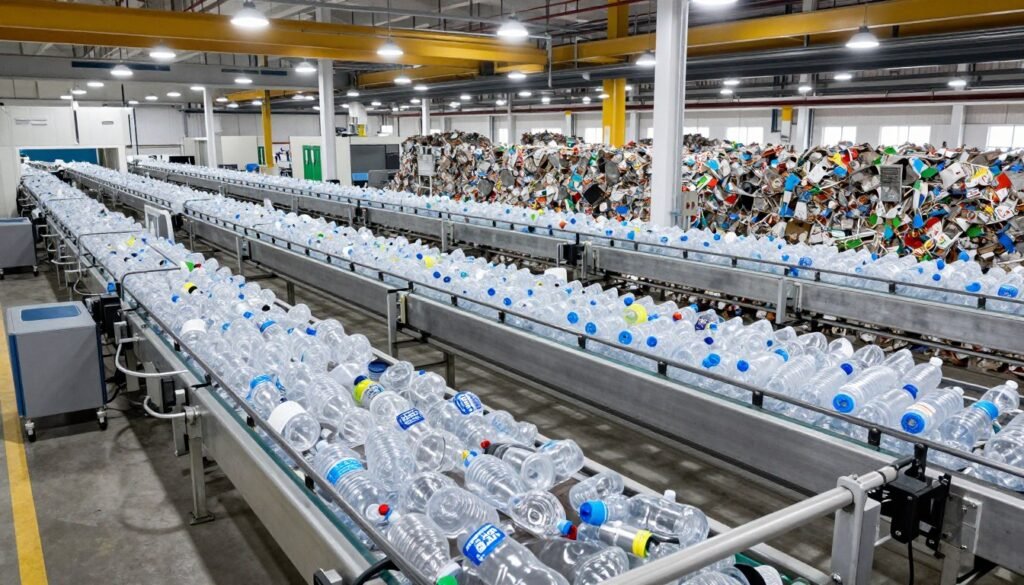
PET boasts well-established recycling infrastructure in many countries. Collection systems specifically target PET bottles due to their high value and recyclability.
Global recycling rates vary significantly by region. European countries achieve rates above 50%, while developing nations often lack adequate collection infrastructure.
South Korea demonstrates exceptional recycling performance. The country achieves PET recycling rates exceeding 85%, supported by comprehensive deposit-return systems and advanced sorting facilities.
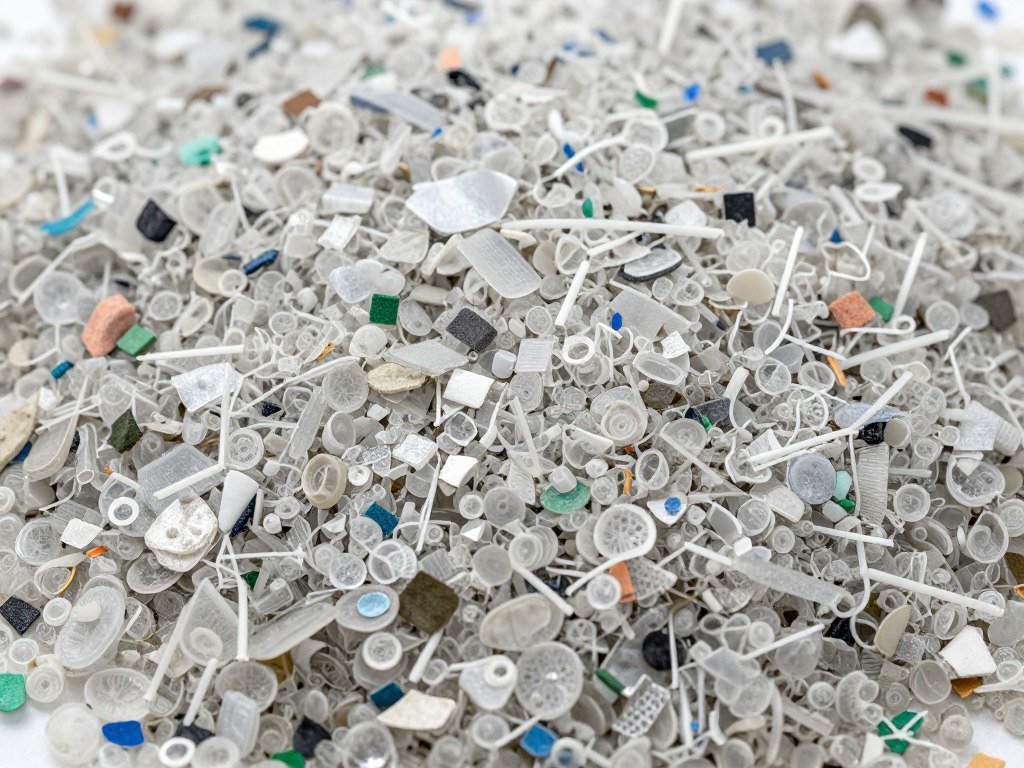
Mechanical recycling represents the primary recovery method. Used bottles undergo collection, sorting, washing, grinding, and reprocessing into new products.
Recycled PET Applications and Quality
Recycled PET finds numerous secondary applications. The material maintains sufficient quality for many non-food packaging uses after a single recycling cycle.
Fiber applications consume significant quantities of recycled PET. Textile manufacturers incorporate recycled material into polyester fabrics, carpets, and industrial fibers.
Bottle-to-bottle recycling has advanced considerably. Modern purification technologies enable food-grade recycled PET production that meets stringent safety requirements.
| Recycling Method | Process Description | Output Quality | Typical Applications |
| Mechanical Recycling | Collection, sorting, washing, grinding, melting | Moderate (some property loss) | Fibers, strapping, non-food containers |
| Chemical Recycling (Glycolysis) | Depolymerization using ethylene glycol | High (virgin-equivalent) | All applications including food contact |
| Chemical Recycling (Methanolysis) | Depolymerization using methanol | High (virgin-equivalent) | All applications including food contact |
| Super-Clean Recycling | Enhanced washing and FDA-approved process | Food-grade certified | Food and beverage bottles |
Environmental Challenges
Despite recyclability advantages, PET poses environmental concerns. The material derives from non-renewable petroleum resources, contributing to fossil fuel dependence.
Production energy requirements are substantial. Manufacturing one kilogram of PET requires approximately 80 megajoules of energy and releases around 3 kilograms of carbon dioxide.
Marine pollution represents a growing problem. PET waste that escapes collection systems accumulates in oceans, where it persists for decades or centuries.
Environmental Advantages
- Highly recyclable with established infrastructure
- Lightweight reduces transportation emissions
- Lower production emissions than glass or aluminum
- Single-material composition simplifies recycling
- Closed-loop recycling technically feasible
- Reduces food waste through effective preservation
Environmental Concerns
- Derived from non-renewable petroleum feedstock
- Persistent in environment when littered
- Energy-intensive production process
- Microplastic generation through degradation
- Incomplete global recycling coverage
- Carbon footprint from virgin production
Biodegradability and Degradation
Standard PET is not biodegradable in practical timeframes. The polymer’s strong ester bonds resist natural enzymatic breakdown under normal environmental conditions.
Recent research has identified certain bacteria and enzymes capable of breaking down PET. These biological systems show promise for future waste management solutions, though commercial viability remains under development.
Photodegradation occurs slowly under UV exposure. Sunlight breaks down surface layers over years or decades, creating microplastics rather than complete mineralization.
Biodegradable PET Alternatives
Researchers have developed bio-based PET from renewable resources. While chemically identical to petroleum-based PET, bio-PET uses plant-derived ethylene glycol, reducing fossil fuel dependence by approximately 30%.
Truly biodegradable alternatives like PLA (polylactic acid) serve some applications where PET traditionally dominated. However, these materials cannot match PET’s complete property profile for many demanding uses.
Sustainability Initiatives and Future Directions
Industry initiatives aim to improve PET’s environmental profile. Major brands have committed to using higher percentages of recycled content in packaging.
Chemical recycling technologies are scaling up. These processes break PET down to monomers, enabling infinite recycling loops without quality degradation.
Bio-based PET production continues expanding. Several facilities now produce partially bio-based PET, with fully bio-based versions under development.
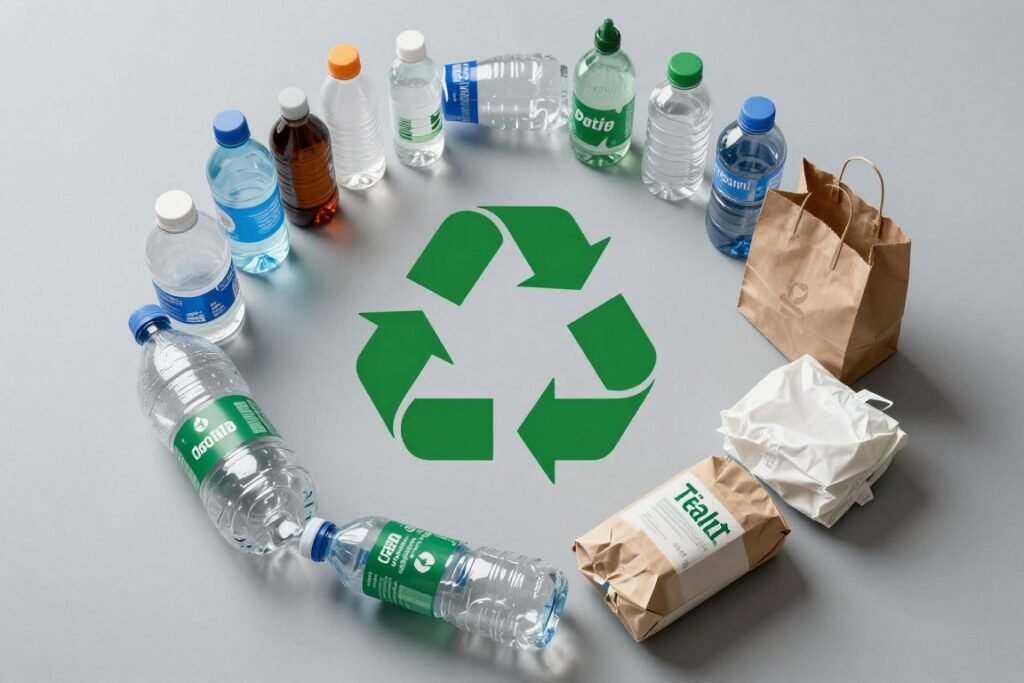
Design for recyclability guidelines help optimize end-of-life recovery. Recommendations include avoiding multi-layer structures, using compatible colorants, and minimizing label adhesives.
Current Sustainability Efforts
- Increasing recycled content mandates
- Deposit-return system expansion
- Advanced sorting technology deployment
- Chemical recycling plant construction
- Bio-based feedstock integration
- Extended producer responsibility programs
- Consumer education campaigns
Future Development Priorities
- 100% recycled content beverage bottles
- Enzymatic recycling commercialization
- Fully bio-based PET production
- Improved marine debris collection
- Carbon-neutral manufacturing processes
- Global recycling infrastructure standardization
- Biodegradable PET variants for specific uses
Making Sustainable Material Choices
When evaluating PET for your application, consider the complete lifecycle. Assess production impacts, use-phase performance, and end-of-life options.
Specify recycled content where performance permits. Many applications perform adequately with 25-50% recycled PET, significantly reducing environmental footprint.
Design products for recyclability from the start. Single-material construction, easily removable components, and compatible additives facilitate recycling.
“Sustainable material selection requires balancing performance, cost, and environmental impact. PET’s recyclability and efficiency advantages often outweigh its fossil-fuel origins when compared to alternative materials across complete lifecycle analyses.”
— Environmental Materials Assessment Council
Frequently Asked Questions (FAQs)
Common questions about polyethylene terephthalate often center on safety, environmental impact, and practical considerations. Let’s address the most frequently asked concerns with clear, evidence-based answers.
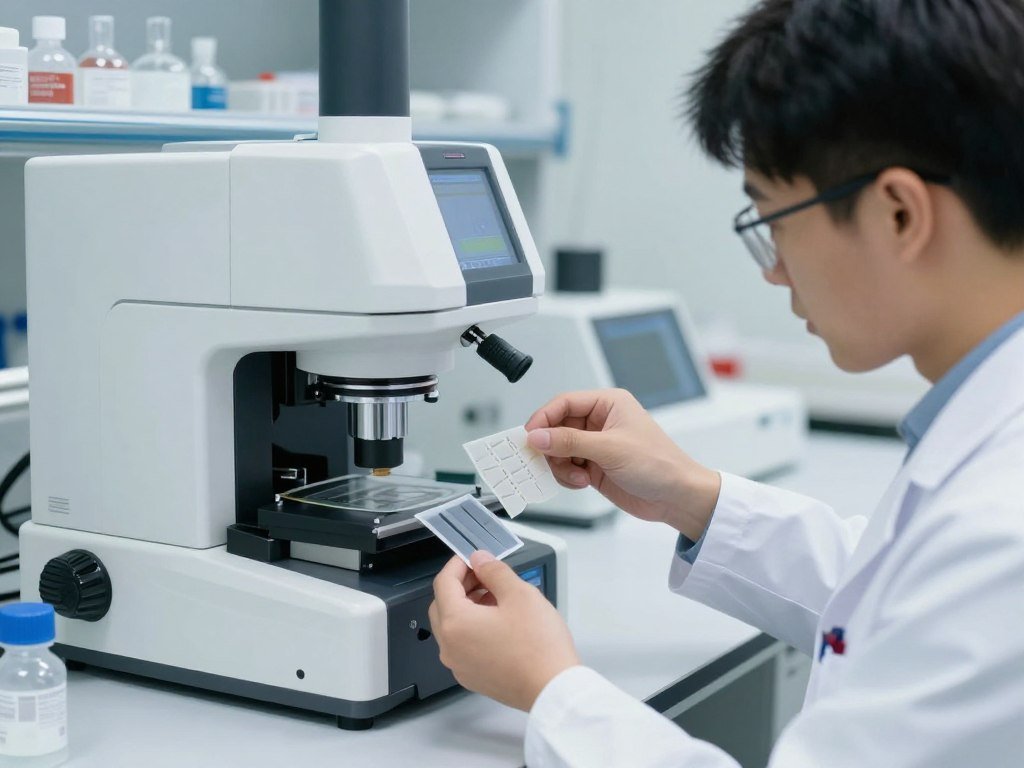
Is PET a safe plastic?
Yes, polyethylene terephthalate is considered safe for food and beverage contact by regulatory agencies worldwide. The material has received approval from the FDA, EFSA, and equivalent bodies in virtually all countries.
PET does not contain BPA (bisphenol A) or phthalates, chemicals that raise concerns in some other plastics. The polymer’s chemical structure prevents these compounds from being present.
Extensive safety testing demonstrates that PET bottles and containers do not leach harmful substances into food or beverages under normal use conditions. The material remains stable at typical storage temperatures.
Single-use PET bottles are safe for their intended purpose. While reusing bottles multiple times can introduce contamination from handling and washing, the material itself does not become unsafe with reuse.
Regulatory Approvals: PET has undergone rigorous safety evaluations and maintains approval for direct food contact in all major markets including the United States, European Union, Japan, and South Korea.
Is polyethylene toxic to humans?
Polyethylene and polyethylene terephthalate are different materials, though their names sound similar. Polyethylene (PE) is used for bags and films, while polyethylene terephthalate (PET) is the bottle and fiber material discussed in this article.
Neither material is toxic to humans in their finished form. Both polymers consist of stable, high-molecular-weight molecules that do not readily break down or release harmful substances.
PET demonstrates excellent biocompatibility. Medical applications including surgical mesh and vascular grafts utilize PET due to its non-toxic nature and compatibility with human tissue.
Ingestion of small PET particles, while not recommended, does not cause acute toxicity. The inert polymer passes through the digestive system without being absorbed or causing harm.
Concerns about microplastics relate to environmental accumulation rather than acute toxicity. Research continues into long-term effects of microplastic exposure, but current evidence does not indicate significant health risks from PET at typical exposure levels.
Why is polyethylene terephthalate harmful?
The characterization of PET as “harmful” requires important context. The material itself shows low toxicity and excellent safety profiles for intended uses.
Environmental persistence represents the primary concern. PET waste that enters natural environments resists biodegradation, accumulating in landfills and ecosystems for decades or centuries.
Production from fossil fuels contributes to resource depletion and carbon emissions. Manufacturing PET requires petroleum feedstocks and energy-intensive processes.
Improper disposal creates pollution problems. When PET waste escapes collection systems, it accumulates in oceans and terrestrial environments, potentially harming wildlife through ingestion or entanglement.
These environmental concerns do not make PET harmful in the toxicological sense. Rather, they reflect lifecycle and waste management challenges common to many synthetic materials.
Important Context: PET’s environmental challenges often compare favorably to alternatives when considering complete lifecycle impacts. Glass requires more energy to produce and transport, while aluminum production generates higher carbon emissions. The key to reducing harm lies in proper collection, recycling, and responsible disposal rather than avoiding PET entirely.
Addressing PET’s environmental impact requires systemic solutions including improved recycling infrastructure, chemical recycling development, and responsible consumption rather than simple material substitution.
Is polyethylene terephthalate biodegradable?
No, standard polyethylene terephthalate is not biodegradable in practical environmental conditions or timeframes. The polymer’s structure resists breakdown by naturally occurring microorganisms.
The strong ester bonds linking PET monomers require specific enzymes for hydrolysis. Most environmental bacteria lack these enzymes, preventing natural decomposition.
However, recent scientific discoveries have identified PET-degrading organisms. Certain bacteria produce enzymes capable of breaking down PET, though this process occurs slowly and under specific conditions.
Researchers have isolated and engineered enzymes like PETase that can depolymerize PET. These biological systems show promise for future recycling applications, though they’re not yet commercially viable for large-scale waste treatment.
In landfill conditions, PET persists essentially unchanged for centuries. The anaerobic environment and lack of UV exposure prevent even slow degradation mechanisms.
Photodegradation occurs under intense UV exposure over years to decades. This process breaks PET into smaller fragments (microplastics) rather than achieving complete mineralization into carbon dioxide and water.
Alternatives and Future Developments
Bio-based PET remains chemically identical to petroleum-based material, so it’s not biodegradable despite renewable origins. Truly biodegradable alternatives like PLA serve some applications but cannot match PET’s complete property profile.
Research into biodegradable polyesters continues, with modified PET structures showing enhanced susceptibility to enzymatic breakdown. These developments may eventually provide biodegradable options for applications where recovery is impractical.
For now, recycling represents the most effective end-of-life solution for PET products. Mechanical and chemical recycling processes can recover and reuse PET indefinitely with proper infrastructure and collection systems.
Get Expert PET Material Consultation
Still have questions about polyethylene terephthalate for your specific application? Our material specialists provide comprehensive technical consultation covering grade selection, processing optimization, regulatory compliance, and sustainability considerations. Connect with us for personalized guidance.
Or call our technical support line directly:
Conclusion
Polyethylene terephthalate stands as one of modern industry’s most versatile and essential materials. From beverage bottles to high-performance textiles, from automotive components to medical devices, PET enables countless applications that shape our daily lives.
Understanding this polymer’s properties, processing methods, and environmental considerations empowers better material selection decisions. Whether you’re developing new products or optimizing existing applications, comprehensive knowledge of PET’s capabilities and limitations guides successful outcomes.
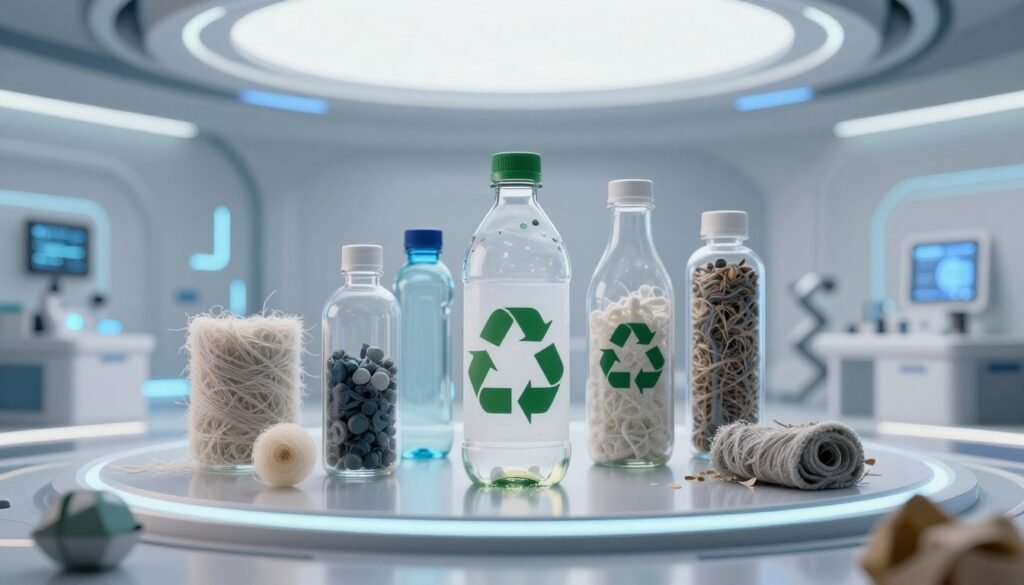
The material’s future involves balancing performance advantages with environmental responsibility. Advances in recycling technology, bio-based production, and sustainable design practices continue improving PET’s environmental profile while maintaining the exceptional properties that made it successful.
Your material choices matter. By selecting appropriate grades, designing for recyclability, and supporting circular economy initiatives, you contribute to more sustainable use of this valuable polymer while achieving your technical and commercial objectives.