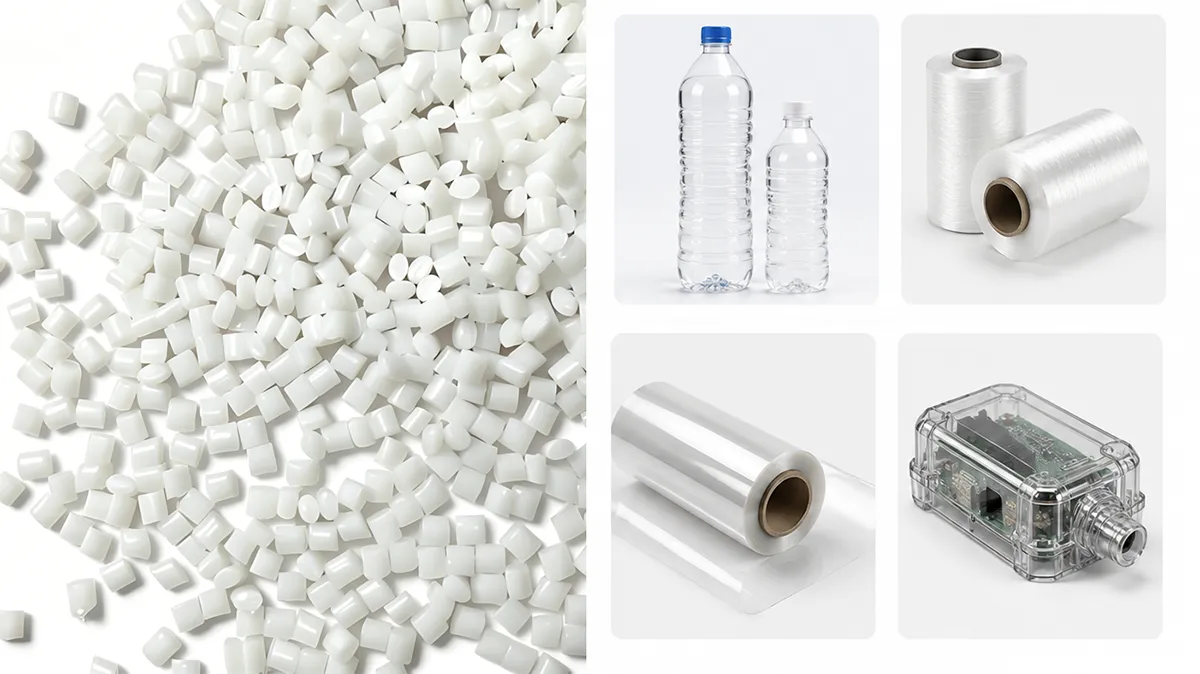
Polyethylene terephthalate (PET) is a thermoplastic polyester widely used in packaging, fibers, films, and industrial components. Its combination of high strength, dimensional stability, transparency, and chemical resistance enables PET resin to meet the performance requirements of various manufacturing processes.
In industrial production, PET is not a one-size-fits-all material. Different PET resin grades are developed for specific applications, such as bottle-grade PET for beverage containers, fiber-grade PET for textile production, and film-grade PET for packaging films and electrical insulation. Selecting the appropriate PET grade is essential to achieving the right balance between processing performance, product quality, and cost effectiveness.
Selecting the precise PET grade is a critical lever for optimizing continuous extrusion, controlling acetaldehyde (AA) outgassing, and reducing costly reject rates.
What is Polyethylene Terephthalate (PET)?
Polyethylene terephthalate (PET) is a thermoplastic polyester resin formed through the polymerization of ethylene glycol and terephthalic acid. The resulting polymer structure provides PET with a combination of mechanical strength, dimensional stability, transparency, and chemical resistance, making it suitable for a wide range of manufacturing applications.
Chemical Composition and Molecular Structure
PET is a semi-crystalline thermoplastic polyester engineered via the condensation polymerization of Purified Terephthalic Acid (PTA) and Monoethylene Glycol (MEG).
The final performance profile stems directly from this unique backbone balance:
Primary Components
- Rigid Aromatic Rings: Derived from PTA; provides excellent mechanical strength and thermal resistance.
- Flexible Aliphatic Chains: Derived from MEG; allows molecular orientation and high impact toughness.
- Linear Ester Linkages: Connects the repeating monomer chains to dictate crystallization behavior.
Key Characteristics and Properties of PET Material
Understanding the properties of PET material helps manufacturers evaluate whether this material meets the requirements of their specific applications. PET offers a balanced combination of mechanical strength, dimensional stability, transparency, and barrier performance, making it suitable for packaging, fibers, films, and industrial products.
The final performance of PET depends on factors such as resin grade, molecular structure, crystallinity, and processing conditions. Different PET grades are developed to meet specific manufacturing needs, including bottle-grade PET for containers, fiber-grade PET for textile production, and film-grade PET for packaging and industrial films.
Physical and Mechanical Properties
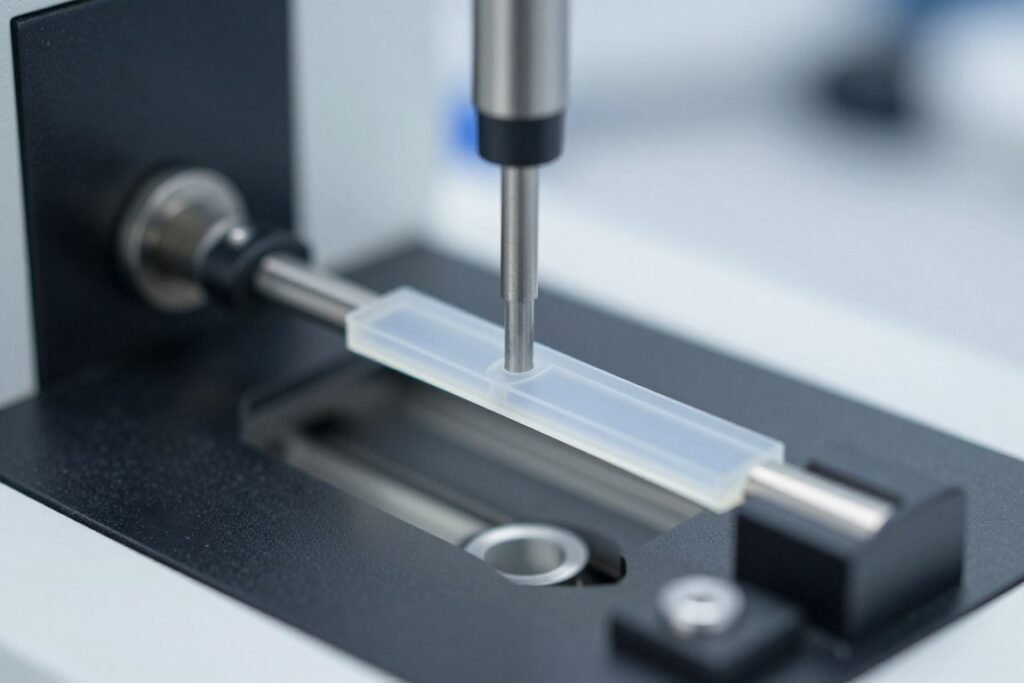
Unfilled PET offers a premium strength-to-weight ratio and rigid dimensional stability compared to standard olefins. Its physical performance limits follow strict structural rules:
- Tensile Strength: 50 – 70 MPa (Highly dependent on draw ratio and orientation).
- Elastic Modulus: 2 – 4 GPa (Ensures high stiffness under continuous structural load).
- Morphology Impact: Amorphous processing optimizes optical clarity and toughness; crystalline states maximize surface hardness.
Thermal Characteristics
PET’s thermal operating windows dictate your equipment setup parameters:
PET’s thermal operating windows are strictly governed by its semi-crystalline nature, shifting the material response from an amorphous state (for optimized optical clarity) to highly crystalline morphology (to maximize surface hardness and HDT).
| Thermal Property | Typical Range |
| Glass Transition (Tg) | 70–80°C |
| Melting Point (Tm) | 250–260°C |
| Heat Deflection Temperature | Approximately 70–90°C (unfilled PET) |
Proper melt temperature zoning prevents both un-melts and severe oxidative chain scission
Optical and Barrier Properties
Amorphous PET offers excellent transparency and clarity, making it suitable for applications where product visibility is important, such as beverage containers and transparent packaging.
The material also provides good resistance to carbon dioxide and oxygen transmission, supporting applications that require gas retention and product protection. However, PET has moderate water vapor barrier performance compared with some specialized packaging materials.
Chemical Resistance
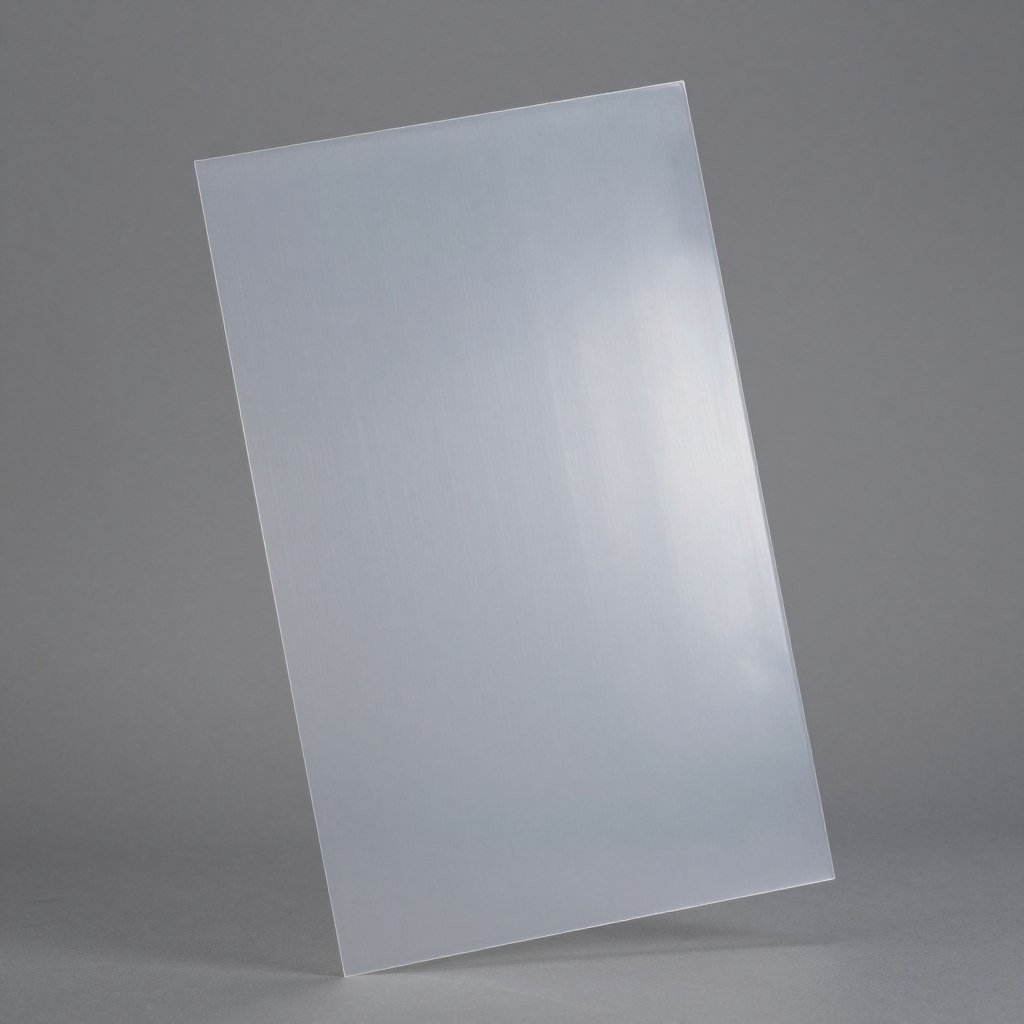
PET demonstrates good resistance to many common chemicals, including oils, greases, alcohols, weak acids, and detergents at room temperature. This chemical stability supports its use in food packaging, beverage containers, and various industrial applications.
However, strong acids, strong bases, aromatic solvents, and prolonged exposure to hot water may affect PET performance. These limitations should be considered when selecting the appropriate PET resin for demanding environments.
Chemical Compatibility
- Resistant to alcohols and weak acids
- Withstands most organic solvents
- Compatible with oils and greases
- Stable with common detergents
- Resists aliphatic hydrocarbons
Chemical Limitations
- Degraded by strong acids
- Attacked by strong bases
- Vulnerable to aromatic solvents
- Sensitive to hot water over time
- Affected by some chlorinated compounds
These properties—crystallinity, glass transition temperature, and barrier performance—are interconnected and directly determine how PET behaves under different processing conditions. For a deeper technical breakdown of PET’s molecular structure and how it drives mechanical, thermal, and barrier performance, see our complete guide to PET chemical structure and properties.
Types and Commercial Grades of PET: How to Select the Right Grade?
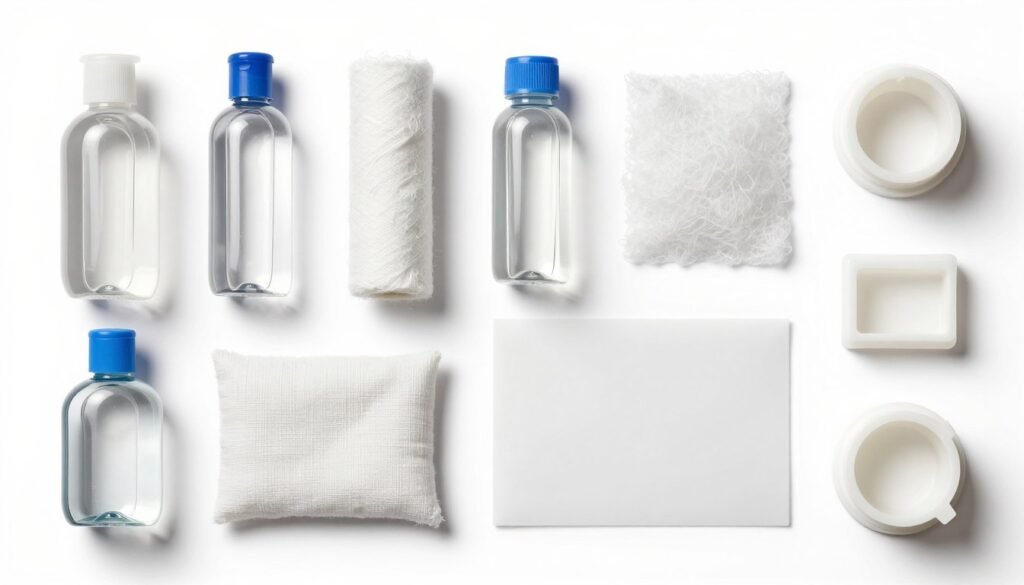
PET resin is categorized by its molecular weight and Intrinsic Viscosity (IV). Adjusting the IV directly changes the material’s melt strength, processability, and mechanical durability.
Understanding these pure technical profiles ensures you select a base resin that matches your machinery’s shear and temperature capabilities.
Bottle-Grade PET
- Typical IV Range: 0.70 – 0.85 dL/g
- Core Characteristics: High melt strength, low acetaldehyde (AA) generation, and excellent slow-crystallization kinetics.
- Material Behavior: Designed to balance rapid stretch-blow yield with optical transmission. Higher IV options provide superior burst pressure resistance.
Fiber-Grade PET
- Typical IV Range: 0.60 – 0.70 dL/g
- Core Characteristics: Lower molecular weight, uniform melting behavior, and excellent shear stability.
- Material Behavior: Low viscosity allows the polymer to pass smoothly through spinnerets at high speeds without filament breakage or pressure spikes in the pack.
Film-Grade (BOPET)
- Typical IV Range: 0.65 – 0.75 dL/g
- Core Characteristics: Balanced mechanical properties, high cleanliness (low gel content), and slip-agent compatibility.
- Material Behavior: Formulated to withstand intense dual-axis drawing without tearing, maintaining uniform thickness stability across the web.
Engineering-Grade PET
- Typical IV Range: 0.75 – 0.95 dL/g (Base resin before modification)
- Core Characteristics: High thermal resistance, fast crystallization rate, and rigid molecular backbones.
- Material Behavior: Often compounded with glass fibers (15% – 45%) or nucleating agents to accelerate mold-release cycles and drastically raise the Heat Deflection Temperature (HDT).
| PET Grade | Typical IV Range (dL/g) | Core Processing Behavior | Key Industrial Applications |
| Fiber-Grade | 0.60 – 0.60 | Low viscosity, excellent shear stability at high spinning speeds | Textile filaments, carpets, industrial yarns |
| Film-Grade (BOPET) | 0.65 – 0.75 | High cleanliness, low gel content, slip-agent compatible | Flexible packaging, electrical insulation films |
| Bottle-Grade | 0.70 – 0.85 | High melt strength, low AA generation, slow crystallization | CSD, still water preforms, food containers |
| Engineering-Grade | 0.75 – 0.95 | Fast crystallization, ideal for glass-fiber compounding | Automotive connectors, heavy-duty industrial parts |
Each PET grade is engineered for a specific manufacturing process and end product. To see how bottle-grade, fiber-grade, film-grade, and engineering-grade PET translate into real-world products—from beverage bottles to automotive components—read our detailed guide to PET applications and product forms.
Need help selecting the right PET resin grade for your application?
Our team can provide recommendations based on your processing method, performance requirements, and end-use conditions.
Major Applications: What are the Main Uses of PET?
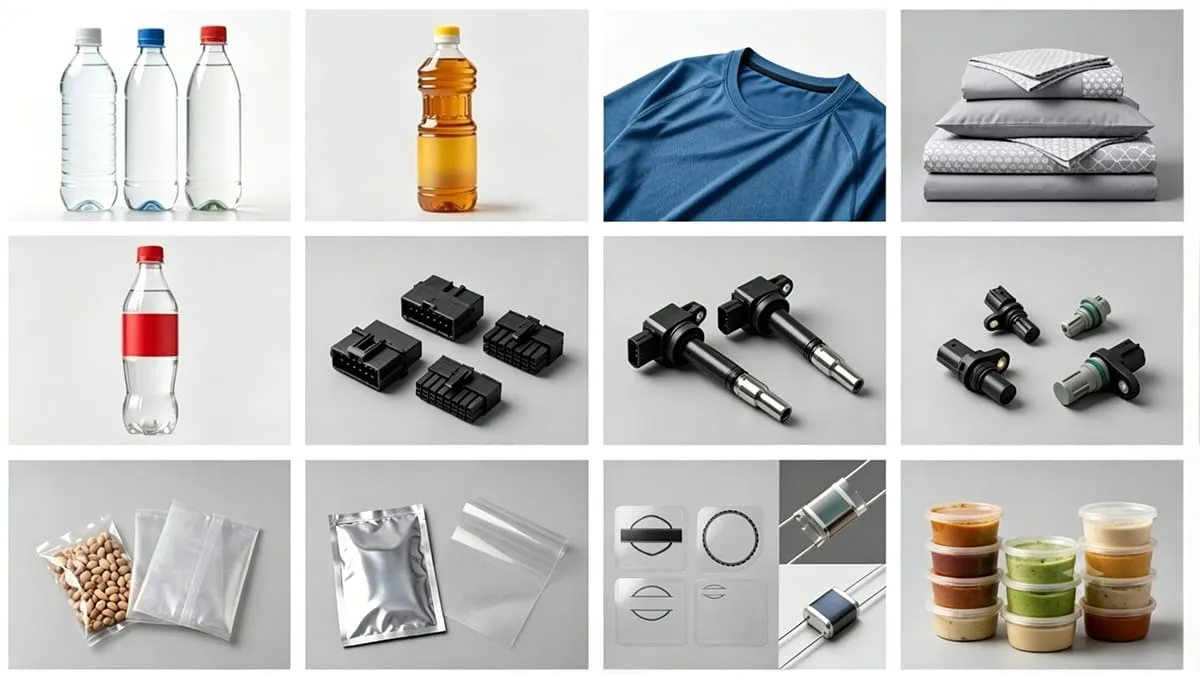
Different industries do not just buy PET; they purchase structural integrity, barrier properties, and processing stability. Below is how varying PET specifications solve real-world manufacturing and processing challenges.
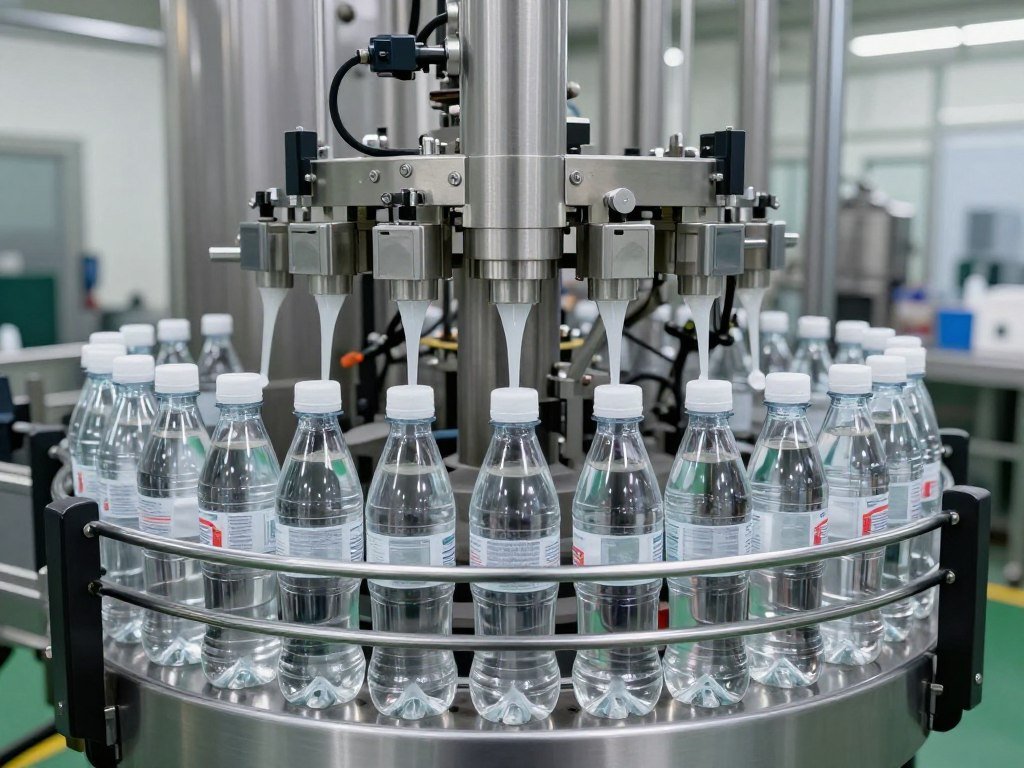
High-Barrier Packaging & Bottling
In rigid packaging, the primary objective is maintaining shelf-life through superior gas barrier performance while ensuring zero taste contamination.
- Critical Performance Metrics: CO₂ and O₂ transmission rates, Acetaldehyde (AA) level control (<2.0 ppm for water bottles).
- Sourcing Insight: For carbonated soft drinks (CSD), an IV of 0.82 – 0.84 dL/g is mandatory to prevent creep and base deformation under internal pressure. For still water, 0.76 – 0.78 dL/g optimizes cycle time and energy consumption during preform injection.
Textile and Fiber Applications
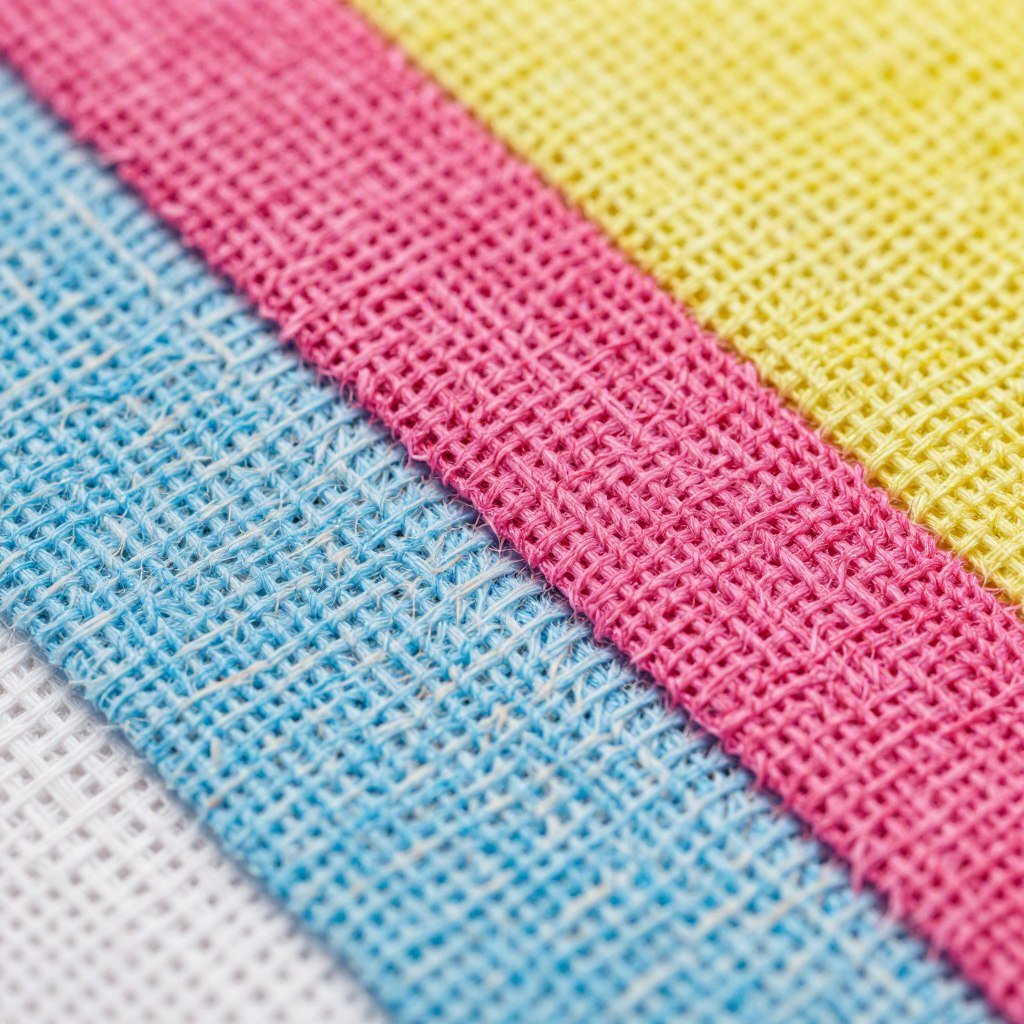
Textile manufacturers require extreme batch-to-batch consistency in resin melting points to run high-speed continuous lines without downtime.
- Critical Performance Metrics: Tensile elongation, thermal shrinkage, color stability (b* value minimization).
- Sourcing Insight: Slight variations in moisture or diethylene glycol (DEG) content in fiber-grade virgin chips can cause severe dyeing non-uniformity or high break rates during high-draw spinning.
Biaxially Oriented Films (BOPET) & Electrical Insulation
Film extruders operate under tight thickness tolerances and demand optical clarity free from fish-eyes or carbon specks.
- Critical Performance Metrics: Dielectric strength, tensile modulus, low oligomer content.
- Sourcing Insight: Standard PET suffers from surface friction issues during winding. Film grades must be formulated with precise silica or alumina anti-blocking additives to facilitate high-speed slitting without scratching the clear film.
Heavy-Duty Engineering & Automotive Components
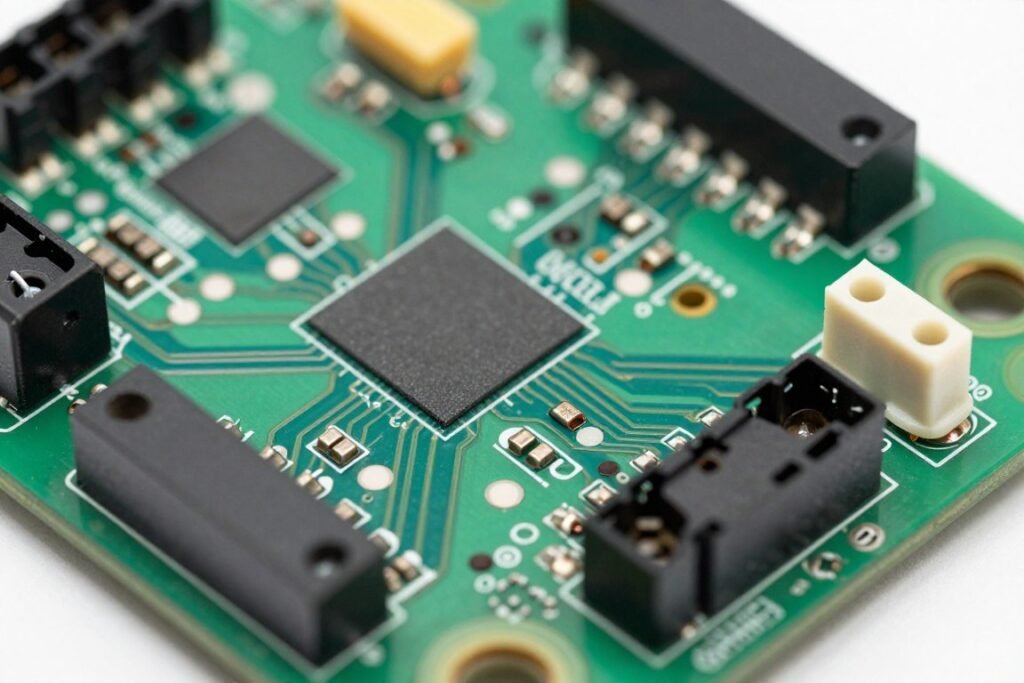
Unmodified PET crystallizes too slowly for profitable injection molding. Engineering applications rely entirely on chemically modified or reinforced grades.
- Critical Performance Metrics: Flexural modulus (>10 GPa with glass filling), dimensional stability under load, structural UV resistance.
- Sourcing Insight: Replacing metal or polyamide (Nylon) with glass-filled PET in automotive under-hood electrical connectors reduces both part weight and moisture absorption, preventing electrical tracking failures in humid environments.
Looking for the right PET Plastic for your products?
We supply PET materials for packaging, fiber, film, and engineering applications, with technical support to help identify suitable grades based on your processing requirements.
Manufacturing and Processing Techniques for PET
PET processing methods directly influence the final product’s appearance, mechanical performance, dimensional stability, and application suitability. Different manufacturing techniques are selected according to the required product design, PET grade, and performance requirements.
The processing behavior of PET is closely related to molecular weight, intrinsic viscosity (IV), crystallinity, and moisture content. Proper material preparation and process control help manufacturers achieve consistent product quality across different applications.
From polycondensation to stretch-blow molding and melt spinning, each stage of PET production directly shapes the final product’s performance. Read our complete guide to PET manufacturing processes for detailed technical parameters and best practices.
Polymerization Process
PET resin is produced through a condensation reaction between terephthalic acid (or its derivatives) and ethylene glycol. The polymerization process determines the molecular weight and intrinsic viscosity of the resin, which directly affect strength, processing performance, and end-use properties.
Certain high-performance PET grades undergo solid-state polymerization (SSP) to further increase molecular weight. Higher IV materials are commonly used in applications requiring improved mechanical strength, such as beverage bottles and engineering components.
Injection Molding
Injection molding is widely used for producing PET containers, technical parts, and industrial components with complex geometries. PET resin requires proper drying before processing because moisture can cause hydrolytic degradation, reducing molecular weight and affecting final part performance.
Typical PET injection molding requires:
- Thorough drying to minimize moisture-related degradation
- Processing temperatures generally around 260–290°C depending on grade
- Controlled mold temperatures to achieve desired crystallinity and dimensional stability
Amorphous PET is typically processed with rapid cooling to maintain transparency and improve impact resistance. Crystalline PET requires controlled cooling conditions to achieve higher heat resistance, chemical resistance, and dimensional stability.
Blow Molding for Bottles
Stretch blow molding is the primary process used for manufacturing PET bottles and containers. The process begins with injection molding PET preforms, which are then reheated, stretched, and expanded using compressed air inside a mold.
The biaxial orientation created during stretching improves bottle performance by increasing:
- Tensile strength
- Impact resistance
- Gas barrier properties
- Dimensional stability
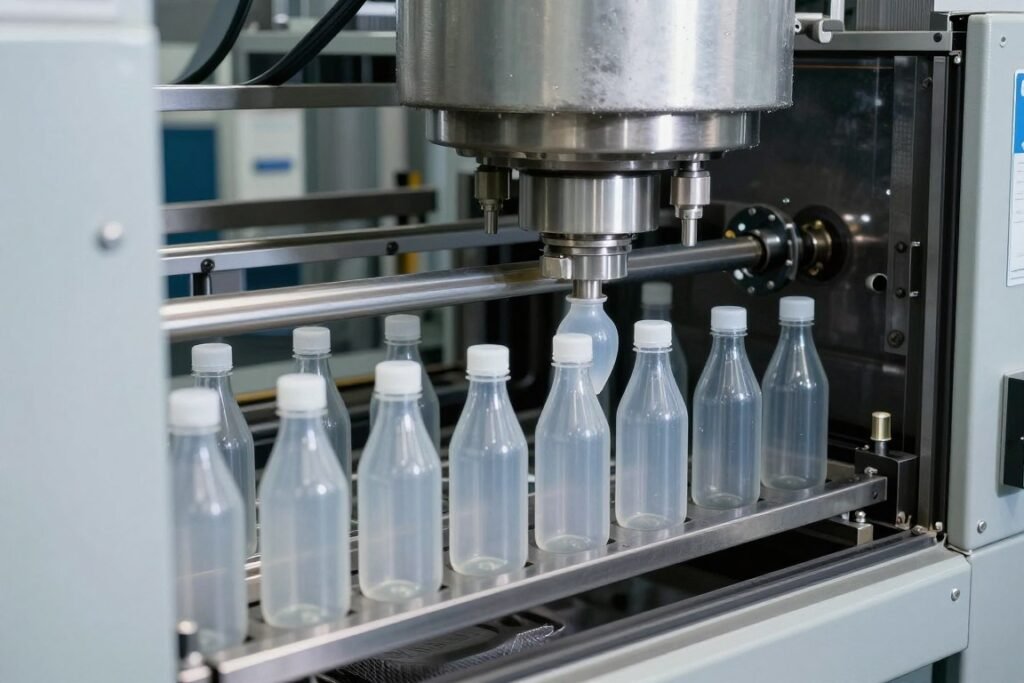
Bottle-grade PET is specifically designed for this process, providing the required balance between clarity, strength, and processing efficiency.
Extrusion Processes
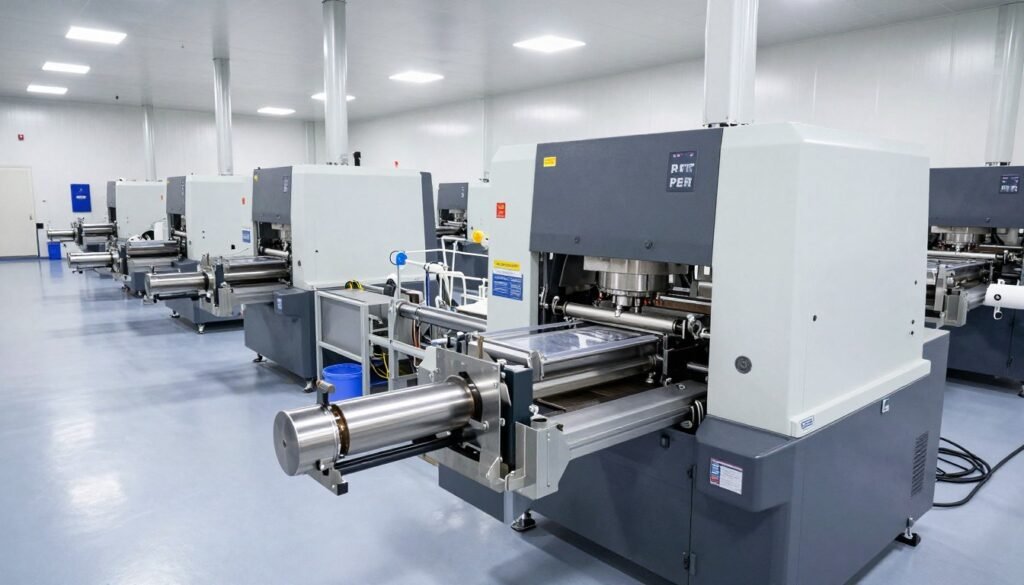
Extrusion converts PET resin into continuous products such as sheets, films, and profiles. These processes are commonly used in packaging, electrical insulation, and industrial applications.
Common PET extrusion methods include:
| Processing Method | Typical Applications |
| Sheet Extrusion | Thermoforming sheets, rigid packaging |
| Film Extrusion | Flexible packaging films, protective films |
| Profile Extrusion | Industrial profiles and specialty components |
Film-grade PET is often processed through orientation techniques to improve mechanical strength, transparency, and barrier performance.
Fiber Production and Textile Manufacturing
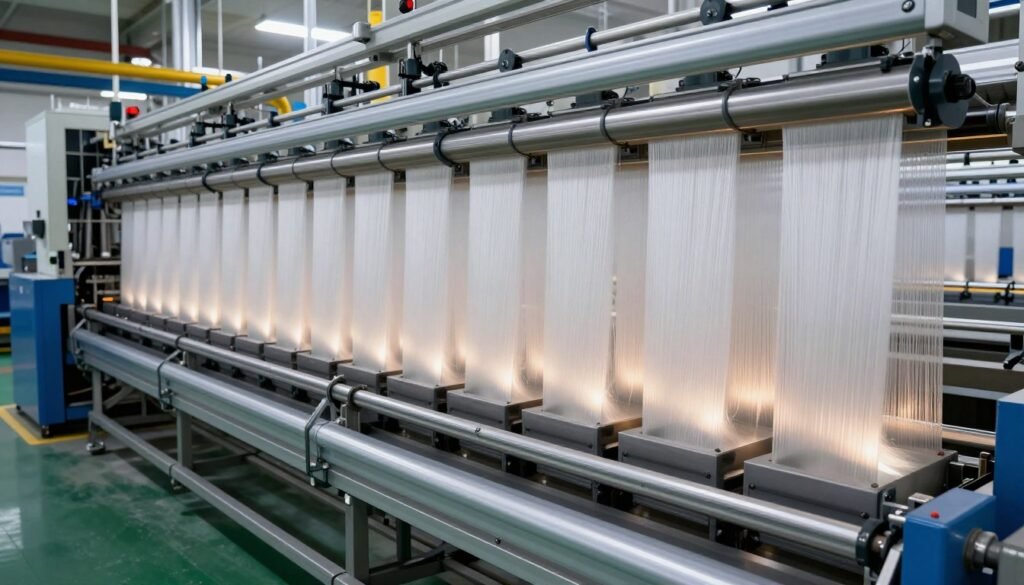
Fiber-grade PET is processed through melt spinning, where molten polymer passes through spinnerets to form continuous filaments. Additional drawing and heat-setting processes improve molecular orientation, strength, and dimensional stability.
PET fibers are widely used in textiles, carpets, and industrial materials because they provide durability, wrinkle resistance, and long-term performance.
Processing Considerations and Best Practices
PET is highly hygroscopic. Processing pellets with a moisture content above 0.005% (50 ppm) causes immediate hydrolytic cleavage of the ester bonds. This permanently drops the Intrinsic Viscosity (IV), rendering the molded parts brittle and structurally defective.
Core Processing Benchmarks
- Dehumidifying Drying: Prior to extrusion or molding, pellets require a desiccant hopper dry at 160°C-180°C for 4-6 hours (Target dew point: -40°C).
- Melt Temperature Control: Maintain strict melt zones between 260°C and 290°C. Exceeding 300°C accelerates thermal degradation and toxic Acetaldehyde (AA) outgassing.
- Residence Time Minimization: Minimize barrel holding times. Prolonged high-heat exposure causes material yellowing and drastic viscosity drop.
- Cooling Rate Manipulation: Utilize fast chilled water cycles for crystal-clear amorphous preforms, or controlled hot molds for dimensionally stable crystalline industrial parts.
Recycled PET (rPET) can also be incorporated into some applications when material quality, contamination control, and drying conditions are properly managed. The proportion of recycled content depends on performance requirements and regulatory considerations.
Selecting the appropriate PET processing method requires matching the resin grade, manufacturing equipment, and final application requirements. Proper material selection and process control help manufacturers achieve reliable performance while improving production efficiency.
Expert Processing Guidance for Your PET Application
Our technical team provides comprehensive processing support including parameter optimization, troubleshooting, and quality improvement consultation. Get detailed processing guides customized for your specific equipment and application requirements.
Sustainability and Environmental Impact of PET
PET sustainability is closely related to its recyclability, material efficiency, and available end-of-life recovery options. Unlike many plastics that are difficult to recover, PET has an established recycling system in many regions, making it one of the most widely recycled polymers.
The environmental performance of PET depends on the complete lifecycle, including raw material sourcing, production processes, product usage, and recycling opportunities. For manufacturers, evaluating both performance requirements and sustainability goals is essential when selecting PET materials.PET’s recyclability is one of its most significant environmental advantages. For a complete breakdown of the rPET recycling process, relevant regulations, and how PET fits into the circular economy, see our in-depth guide to PET recycling and sustainability.
PET Recycling and Recycled PET (rPET) Applications
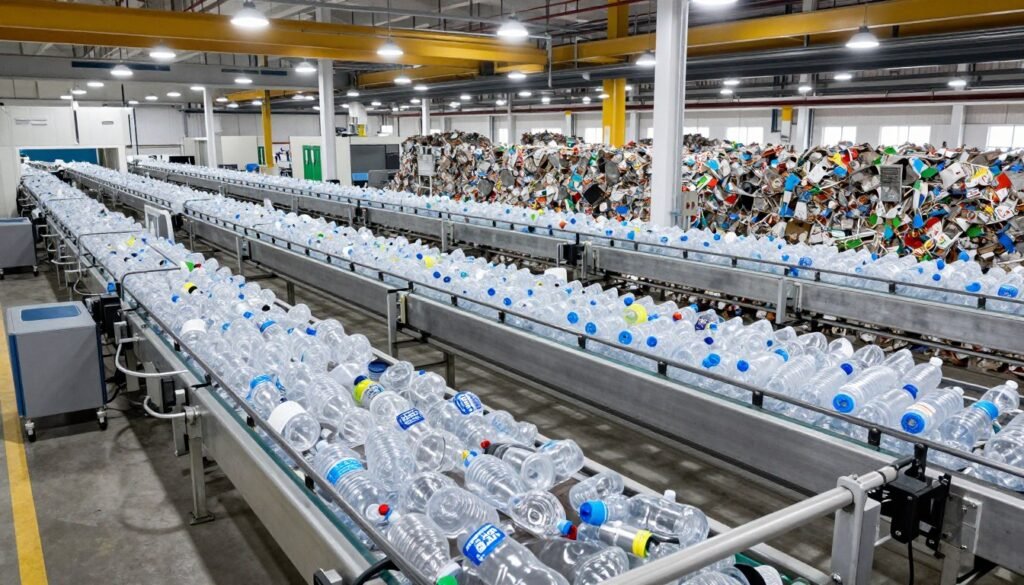
PET recycling is supported by mature collection, sorting, and reprocessing technologies. Used PET products, especially bottles and packaging materials, can be collected, cleaned, processed, and converted into recycled PET (rPET) for new applications.
Mechanical recycling is currently the most common recovery method. Recycled PET produced through this process is widely used in applications such as:
- Polyester fibers and textiles
- Packaging materials
- Industrial products
- Non-food containers
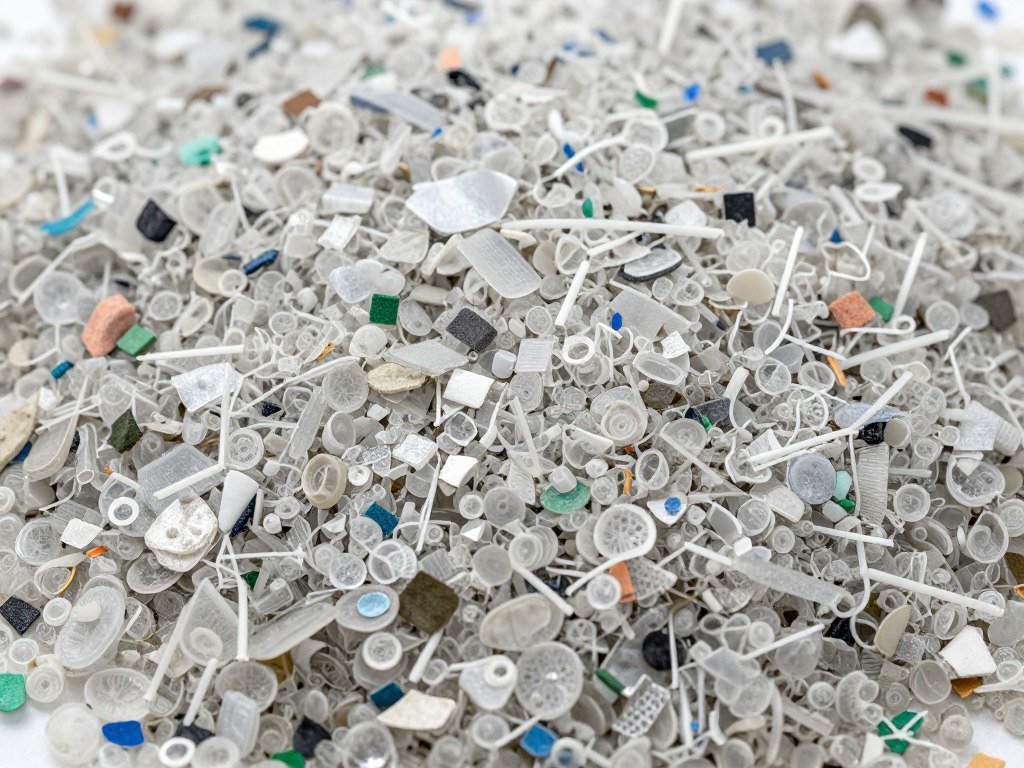
Advancements in purification and recycling technologies have also enabled food-grade rPET production. These processes allow recycled PET to be used in applications requiring strict quality and safety standards, including bottle-to-bottle recycling.
Environmental Advantages of PET
PET provides several sustainability benefits when properly managed through recycling systems:
- High recyclability: PET can be recycled multiple times when effective collection and processing systems are available.
- Lightweight design: PET packaging reduces transportation weight compared with heavier alternatives, helping improve logistics efficiency.
- Material efficiency: PET provides strong mechanical performance with relatively low material usage.
- Closed-loop recycling potential: Advanced recycling technologies can help maintain material value through repeated reuse.
These advantages make PET an important material option for industries seeking a balance between product performance, cost efficiency, and environmental considerations.
Environmental Challenges of PET
Despite its recycling advantages, PET also has environmental challenges that manufacturers need to consider.
PET is traditionally produced from petroleum-based raw materials, which creates dependence on fossil resources. Energy consumption during production and insufficient waste collection systems can also contribute to the overall environmental impact of PET products.
PET is not biodegradable under normal environmental conditions. When PET waste enters natural environments without proper management, it can remain for long periods and contribute to plastic pollution.
Improving collection systems, increasing recycled content, and designing products for easier recycling are key approaches to reducing these impacts.
Environmental Advantages
- Highly recyclable with established infrastructure
- Lightweight reduces transportation emissions
- Lower production emissions than glass or aluminum
- Single-material composition simplifies recycling
- Closed-loop recycling technically feasible
- Reduces food waste through effective preservation
Environmental Concerns
- Derived from non-renewable petroleum feedstock
- Persistent in environment when littered
- Energy-intensive production process
- Microplastic generation through degradation
- Incomplete global recycling coverage
- Carbon footprint from virgin production
Bio-Based PET and Future Developments
Bio-based PET provides another pathway toward reducing dependence on fossil resources. Some bio-based PET grades use renewable feedstocks, such as plant-derived ethylene glycol, while maintaining similar chemical structures and performance characteristics to conventional PET.
Other emerging technologies, including chemical recycling and enzymatic recycling, aim to improve PET recovery efficiency by converting used materials back into their basic building blocks. These approaches may further support circular material systems in the future.
Sustainable PET Material Selection
Selecting a sustainable PET solution requires consideration of both environmental targets and application requirements. Manufacturers may evaluate factors such as:
- Virgin PET versus recycled PET options
- Required product performance
- Regulatory and food-contact requirements
- Recycled content targets
- Processing compatibility
For many applications, a combination of material performance and recycled content provides a practical approach to improving sustainability without compromising product quality.
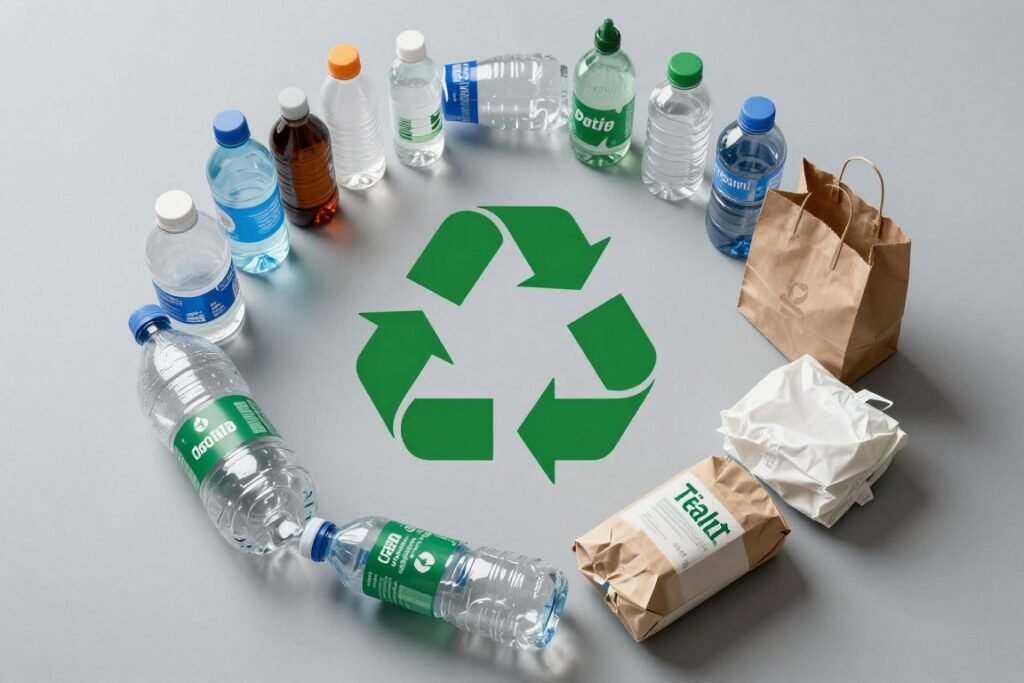
Understanding the relationship between PET performance, recycling options, and application requirements helps manufacturers make more informed material decisions.
Frequently Asked Questions (FAQs)
Common questions about polyethylene terephthalate (PET) usually focus on safety, environmental impact, and practical material considerations. The following answers provide clear explanations based on PET properties, applications, and recycling characteristics.
Is PET a safe plastic?
Yes. PET Plastic is widely recognized as a safe material for food and beverage contact applications when manufactured and used according to applicable regulations. It has been approved by major regulatory organizations, including the FDA in the United States and EFSA in the European Union.
PET does not contain BPA (bisphenol A) or phthalates. Its stable molecular structure helps prevent the migration of harmful substances under normal storage and usage conditions.
Because of its excellent safety profile, PET is commonly used for beverage bottles, food containers, and packaging products that require reliable performance and regulatory compliance.
Is polyethylene toxic to humans?
Polyethylene and polyethylene terephthalate (PET) are different polymer materials, although their names are often confused. Polyethylene (PE) is commonly used for films, bags, and containers, while PET is widely used for bottles, fibers, films, and engineering applications.
PET is considered chemically stable and non-toxic in its finished form. The polymer consists of large molecular chains that do not easily break down or release harmful substances during normal use.
The main concerns associated with PET are related to environmental management and plastic waste rather than direct toxicity of the material itself.
Why is polyethylene terephthalate harmful?
PET plastic is not considered harmful when used properly in approved applications. However, like many synthetic polymers, PET has environmental challenges that require effective waste management and recycling systems.
The primary concerns include dependence on petroleum-based raw materials, energy consumption during production, and the long-term persistence of PET waste when it enters the environment.
At the same time, PET offers important sustainability advantages through its high recyclability, lightweight structure, and established recycling infrastructure. Increasing recycled content, improving collection systems, and developing advanced recycling technologies are key approaches to reducing the environmental impact of PET.
Is polyethylene terephthalate biodegradable?
No. Standard PET polymer is not biodegradable under normal environmental conditions or practical timeframes. Its strong molecular structure makes it resistant to natural microbial degradation.
Some research has identified enzymes and biological processes that can break down PET into smaller chemical components. However, these technologies are still under development and are not yet widely used for commercial-scale waste treatment.
Currently, recycling remains the most practical end-of-life solution for PET products. Mechanical recycling and advanced recycling technologies allow PET materials to be recovered and reused in new applications, supporting a more circular material system.
Conclusion
Selecting the right PET material requires a clear understanding of application requirements, processing conditions, and performance expectations. Polyethylene terephthalate (PET) continues to be widely used across packaging, textile, automotive, electronics, and industrial applications because of its balanced combination of strength, clarity, chemical resistance, and recyclability.
The performance of PET depends greatly on choosing the appropriate resin grade and matching it with the correct manufacturing process. Factors such as intrinsic viscosity, mechanical requirements, processing method, and regulatory standards all influence the final material performance.
Future PET development will continue to focus on improving sustainability while maintaining the properties that make this polymer valuable. Advances in recycled PET (rPET), chemical recycling, bio-based feedstocks, and circular material solutions are creating new opportunities for more sustainable PET applications.
Still deciding whether PET is the right material for your project? See our side-by-side comparison of PET vs HDPE, PP, and PVC to understand how these materials differ in barrier performance, heat resistance, and recyclability.
For manufacturers evaluating PET materials, achieving the right balance between performance, cost efficiency, and environmental considerations is essential. Selecting suitable PET resin grades and reliable material solutions helps ensure consistent product quality and long-term application success.