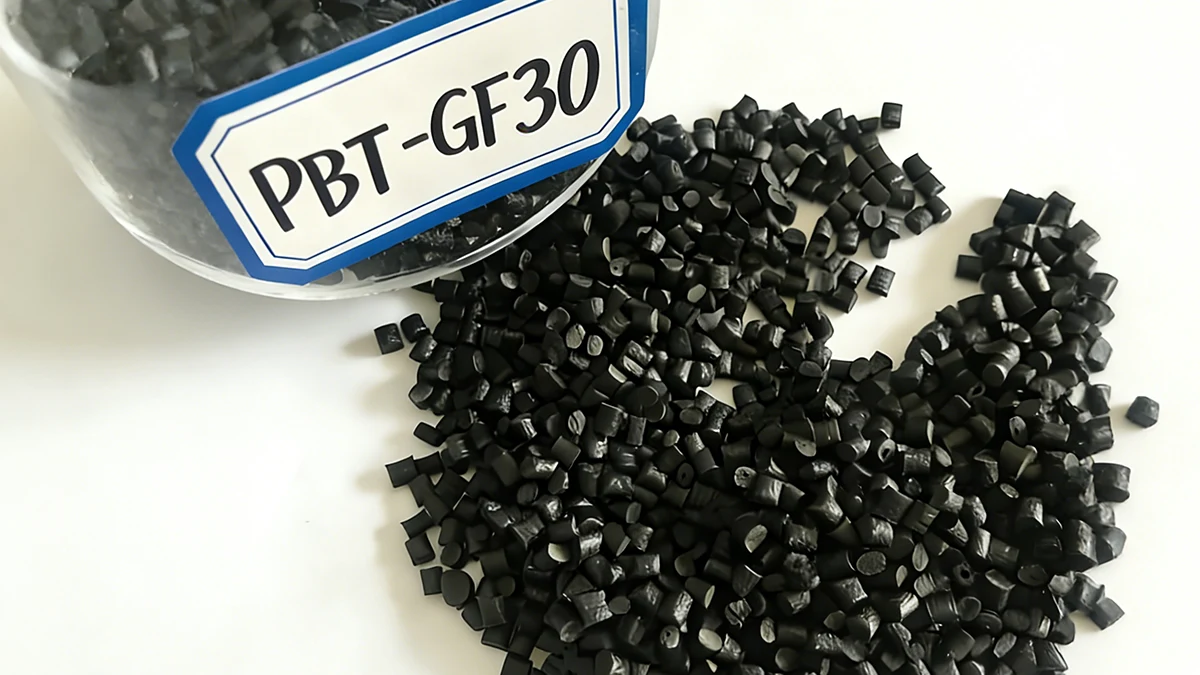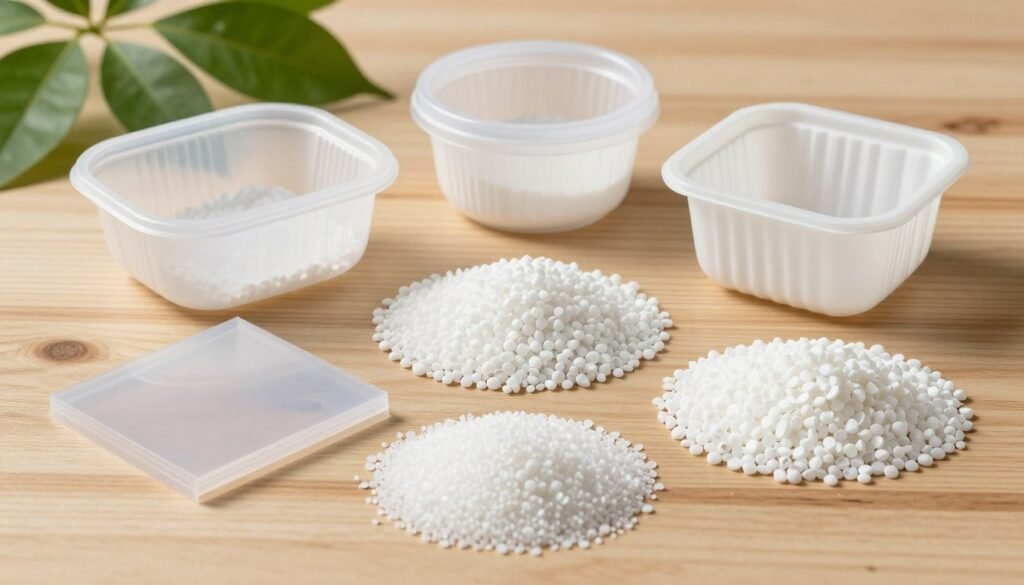
The global shift toward sustainability has positioned bioplastics at the forefront of material innovation. As environmental concerns intensify and plastic pollution continues to threaten ecosystems worldwide, businesses and consumers alike seek alternatives that can reduce their carbon footprint while maintaining functionality.
Bioplastics represent a revolutionary approach to material science. These innovative polymers challenge the dominance of conventional plastics by offering renewable origins and enhanced environmental profiles.
This comprehensive guide explores every dimension of bioplastics. You will gain clarity on what bioplastics truly are, understand their advantages and limitations, discover practical applications, and learn how to select reliable suppliers that align with your sustainability goals.
Whether you’re a business leader evaluating packaging alternatives, a product developer seeking sustainable materials, or a conscious consumer wanting to make informed choices, this guide provides the knowledge you need to navigate the bioplastics landscape confidently.
What Are Bioplastics? Understanding the Foundation of Sustainable Polymers
Bioplastics represent a diverse family of materials that differ fundamentally from conventional plastics in their origin, composition, or end-of-life behavior. The term encompasses two distinct categories that sometimes overlap but serve different environmental purposes.
Defining Bioplastics: Origin and Biodegradability
The bioplastics category includes polymers that meet at least one of two criteria. First, they can be bio-based, meaning they derive partially or entirely from renewable biomass sources rather than fossil fuels. Second, they can be biodegradable, meaning they break down through biological processes under specific conditions.
Bio-based plastics originate from renewable resources. These materials come from plant sources including corn starch, sugarcane, vegetable oils, cellulose, and other biological feedstocks. The production process converts these raw materials into polymers through various chemical and biological pathways.
Biodegradable plastics possess the ability to decompose through microbial action. Under appropriate environmental conditions, microorganisms break down these materials into water, carbon dioxide, and biomass. This degradation process distinguishes them from conventional plastics that persist in the environment for centuries.
The Classification System of Bioplastics
Understanding bioplastics requires recognizing their classification into distinct groups based on origin and biodegradability characteristics.
Bio-Based and Biodegradable
These materials represent the ideal combination for environmental sustainability. They derive from renewable resources and break down naturally at their end of life.
- Polylactic acid (PLA) from corn starch or sugarcane
- Polyhydroxyalkanoates (PHA) from bacterial fermentation
- Thermoplastic starch (TPS) from potato or corn starch
- Cellulose-based polymers from wood or plant fibers
Bio-Based but Non-Biodegradable
These materials come from renewable sources but possess durability similar to conventional plastics. They reduce fossil fuel dependency while offering long-lasting performance.
- Bio-based polyethylene (Bio-PE) from sugarcane ethanol
- Bio-based polyethylene terephthalate (Bio-PET) partially derived from plant materials
- Bio-based polyamides from castor oil
Fossil-Based but Biodegradable
These polymers derive from petroleum but possess biodegradable properties. They offer transition solutions for applications requiring specific degradation characteristics.
- Polybutylene adipate terephthalate (PBAT)
- Polycaprolactone (PCL)
- Polybutylene succinate (PBS)
Blends and Composites
Manufacturers combine different polymer types to achieve specific property profiles. These blends optimize performance characteristics while maintaining environmental benefits.
- PLA-PBAT blends for improved flexibility
- Starch-polymer composites for cost optimization
- Natural fiber reinforced bioplastics for enhanced strength
Common Types of Bioplastics and Their Properties
Each bioplastic type exhibits unique characteristics that determine its suitable applications and performance parameters.
Polylactic Acid (PLA)
Polylactic acid stands as one of the most commercially successful bioplastics. Producers manufacture PLA through the fermentation of plant sugars, typically from corn starch or sugarcane, followed by polymerization of the resulting lactic acid.
PLA offers excellent transparency and printability. The material provides good barrier properties against moisture and grease, making it ideal for food packaging applications. However, PLA exhibits limited heat resistance, with deformation occurring around 60 degrees Celsius.
The mechanical properties of PLA include moderate strength and stiffness. The material tends toward brittleness compared to conventional plastics, though manufacturers can modify this through additives or blending with other polymers.
Polyhydroxyalkanoates (PHA)
Polyhydroxyalkanoates represent a family of polymers produced by bacterial fermentation. Microorganisms synthesize PHA as energy storage compounds, which manufacturers extract and process into plastic materials.
PHA demonstrates remarkable biodegradability in diverse environments. Unlike PLA, which requires industrial composting conditions, PHA degrades in soil, marine environments, and even anaerobic digesters. This versatility makes PHA particularly valuable for applications where plastic waste may enter natural ecosystems.
The material offers good water resistance and moderate barrier properties. PHA exhibits flexibility and toughness superior to PLA, though production costs remain significantly higher due to the fermentation process complexity.
Thermoplastic Starch (TPS)
Thermoplastic starch derives from processing natural starch with plasticizers under heat and pressure. This treatment disrupts the crystalline structure of starch granules, creating a thermoplastic material that can be processed using conventional plastic manufacturing equipment.
TPS offers cost advantages as starch represents one of the most abundant and inexpensive renewable resources. The material provides good processability and can be blended with other polymers to improve properties.
However, TPS exhibits significant moisture sensitivity. The material absorbs water readily, which affects dimensional stability and mechanical properties. Manufacturers typically blend TPS with other biodegradable polymers to overcome these limitations.
Bio-Based Polyethylene (Bio-PE)
Bio-based polyethylene maintains the chemical structure and properties of conventional polyethylene while deriving from renewable ethanol, typically produced from sugarcane fermentation. The material offers identical performance characteristics to fossil-based PE.
Bio-PE provides excellent moisture barrier properties, chemical resistance, and processability. The material works with existing plastic processing equipment and recycling streams, facilitating adoption without infrastructure changes.
Despite its renewable origin, bio-based polyethylene does not biodegrade. The material persists in the environment similarly to conventional PE, though it offers carbon footprint advantages during production due to its renewable feedstock.
How Bioplastics Differ from Conventional Plastics
The fundamental distinctions between bioplastics and conventional plastics extend beyond their origin to encompass production processes, environmental impacts, and end-of-life scenarios.
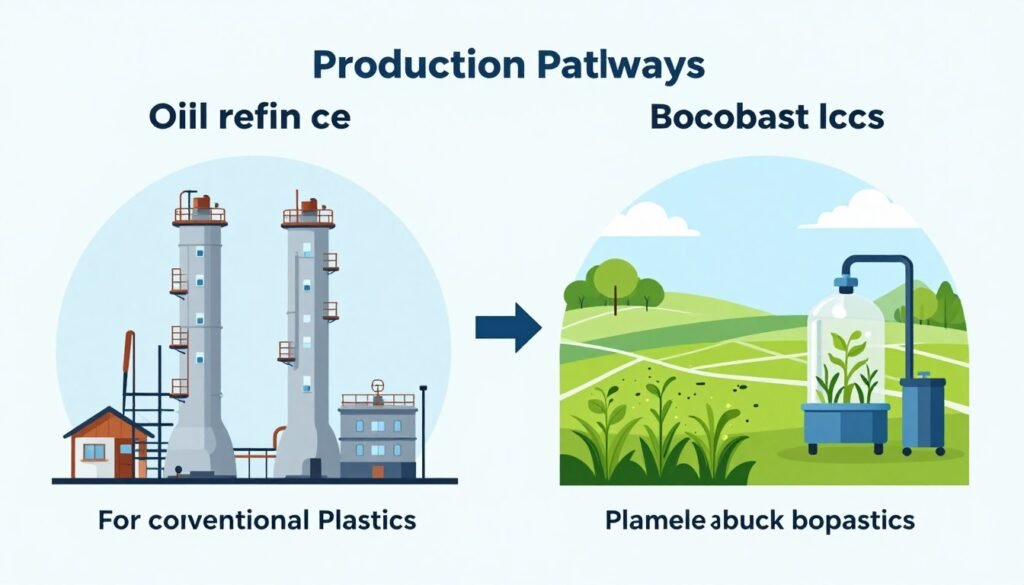
Conventional plastics derive entirely from fossil fuels through petrochemical processes. Refineries crack crude oil into smaller hydrocarbon molecules, which undergo polymerization to form plastic materials. This production pathway releases greenhouse gas emissions and depletes non-renewable resources.
Bioplastics production utilizes renewable biomass through biological or chemical conversion processes. Agricultural crops grow by capturing atmospheric carbon dioxide through photosynthesis. This carbon sequestration partially offsets emissions from bioplastics production and processing, potentially resulting in a lower carbon footprint across the material’s life cycle.
The mechanical properties and performance characteristics vary between bioplastics and conventional plastics. While some bioplastics match or exceed conventional plastic performance in specific applications, others exhibit limitations that restrict their use cases. Material selection requires careful evaluation of application requirements against available bioplastic properties.
End-of-life pathways differ significantly between material types. Conventional plastics typically face disposal through landfilling, incineration, or mechanical recycling. Biodegradable bioplastics offer additional options including industrial composting, anaerobic digestion, or natural biodegradation depending on the specific polymer type and environmental conditions.
What Are the Advantages and Disadvantages of Bioplastics?
Evaluating bioplastics requires a balanced understanding of their benefits and limitations. These materials offer compelling advantages for environmental sustainability while presenting challenges that organizations must address through careful planning and application selection.
Environmental and Sustainability Advantages
Bioplastics contribute to environmental protection through multiple mechanisms that address key concerns associated with conventional plastic production and disposal.
Reduced Dependence on Fossil Fuels
Bio-based plastics decrease reliance on petroleum resources by substituting renewable biomass for fossil fuel feedstocks. This transition supports energy security and reduces vulnerability to petroleum price volatility. Agricultural production of bioplastic feedstocks creates domestic material sources that enhance supply chain resilience.
The cultivation of biomass for bioplastics occurs on an annual cycle. Unlike fossil fuels that require millions of years to form, renewable resources regenerate within single growing seasons. This fundamental difference positions bioplastics as part of a sustainable resource management strategy.
Lower Carbon Footprint and Greenhouse Gas Emissions
Life cycle assessments frequently demonstrate reduced carbon footprint for bio-based plastics compared to fossil-based alternatives. Plants absorb carbon dioxide from the atmosphere during photosynthesis, storing this carbon in their biomass. When converted into bioplastics, this sequestered carbon remains locked in the material throughout its useful life.
Studies indicate that bioplastics production can generate 30 to 70 percent lower carbon footprint compared to conventional plastics, depending on the specific material type, production process, and agricultural practices employed. PLA production typically achieves greenhouse gas emissions reductions of approximately 50 percent compared to conventional plastics.
The carbon benefit calculation must account for the entire life cycle. Agricultural inputs including fertilizers, pesticides, and mechanized farming equipment contribute emissions. Transportation, processing energy, and end-of-life treatment also factor into the total environmental impact calculation.
Biodegradability and Reduced Plastic Pollution
Biodegradable bioplastics address the persistent pollution challenge posed by conventional plastics. These materials break down through microbial action when exposed to appropriate environmental conditions, preventing long-term accumulation in ecosystems.
The biodegradation process converts polymer chains into simple molecules. Microorganisms metabolize the material, producing carbon dioxide, water, and biomass as end products. This biological recycling returns carbon to natural cycles rather than leaving persistent plastic fragments in the environment.
Timing and conditions for biodegradation vary significantly among different bioplastic types. PLA requires industrial composting facilities that maintain elevated temperatures for effective degradation. PHA biodegrades in diverse environments including soil and marine ecosystems. Understanding these distinctions proves essential for appropriate material selection and waste management planning.
Support for Circular Economy Principles
Bioplastics align with circular economy frameworks that prioritize resource cycling over linear “take-make-dispose” models. Renewable sourcing creates materials from annually regenerating feedstocks rather than depleting finite reserves.
Biodegradable bioplastics enable organic recycling pathways through composting or anaerobic digestion. These processes convert plastic waste into valuable outputs including compost for soil enrichment or biogas for energy production. The circular economy approach views end-of-life materials as resources for new production cycles rather than waste requiring disposal.
Integration with existing waste management infrastructure requires careful planning. Contamination of conventional plastic recycling streams with biodegradable materials creates processing challenges. Successful circular economy implementation depends on clear labeling, consumer education, and appropriate collection systems.
Reduced Toxicity and Safer Production
Many bioplastics production processes avoid toxic chemicals required for conventional plastic manufacturing. The absence of harmful additives and processing aids creates safer materials for food contact applications and reduces occupational exposure risks for workers.
Bioplastics also eliminate or reduce problematic additives commonly found in conventional plastics. Phthalate plasticizers, bisphenol A, and other substances of concern receive scrutiny for potential health effects. Bio-based alternatives can provide desired properties without these controversial chemicals.
Technical and Performance Advantages
Beyond environmental benefits, bioplastics offer functional advantages that make them attractive for specific applications.
Excellent Barrier Properties for Food Packaging
Certain bioplastics provide superior barrier performance against moisture, oxygen, and grease compared to conventional plastics. PLA offers excellent grease resistance, making it ideal for food service applications including containers for oily foods.
The material clarity and printability of many bioplastics match or exceed conventional packaging materials. High transparency allows product visibility while maintaining product freshness. Good print receptivity enables attractive graphics and branding without special surface treatments.
Comparable Mechanical Properties
Modern bioplastics achieve mechanical properties suitable for diverse applications. Tensile strength, impact resistance, and flexibility can match conventional plastics when materials are properly selected and formulated for specific uses.
Manufacturers continuously improve bioplastic formulations through research and development efforts. Additives, blending strategies, and processing optimization enhance properties to meet demanding application requirements. The performance gap between bioplastics and conventional plastics narrows as material science advances.
Versatile Processing Capabilities
Many bioplastics process using existing plastic manufacturing equipment. Injection molding, extrusion, thermoforming, and blow molding techniques apply to bioplastic materials with minimal equipment modifications. This compatibility reduces adoption barriers and capital investment requirements.
Processing parameter optimization allows manufacturers to achieve desired product characteristics. Temperature profiles, cooling rates, and mold designs influence final product properties. Experienced processors adapt conventional plastic manufacturing knowledge to bioplastic production.
Economic and Market Advantages
Bioplastics create opportunities for economic development and competitive differentiation in the marketplace.
Meeting Consumer Demand for Sustainable Products
Consumer preferences increasingly favor environmentally responsible products. Market research consistently demonstrates willingness to pay premium prices for sustainable alternatives. Bioplastic packaging and products align with these consumer values, potentially commanding higher margins and building brand loyalty.
The European Union market particularly emphasizes sustainability. German consumers demonstrate strong environmental consciousness, creating favorable conditions for bioplastic product acceptance. Businesses that adopt bioplastics position themselves advantageously within sustainability-focused market segments.
Regulatory Compliance and Future-Proofing
European Union regulations increasingly restrict single-use conventional plastics. Directives target plastic pollution reduction through material restrictions, extended producer responsibility, and waste reduction targets. Bioplastics offer compliant alternatives that meet regulatory requirements while maintaining product functionality.
Proactive adoption of bioplastics anticipates future regulatory developments. As environmental regulations tighten, businesses using sustainable materials face fewer compliance costs and operational disruptions. This forward-thinking approach creates competitive advantages and reduces regulatory risk.
Agricultural Development Opportunities
Bioplastics production creates demand for agricultural feedstocks, supporting rural economic development. Farmers gain new markets for crops beyond food and feed applications. This diversification strengthens agricultural economies and provides price stability for commodity crops.
Regional bioplastic production chains can reduce transportation distances and associated emissions. Localized supply chains enhance resilience and create domestic manufacturing opportunities in regions with agricultural capacity.
Disadvantages and Limitations of Bioplastics
Despite significant advantages, bioplastics face genuine challenges that require acknowledgment and strategic management.
Higher Production Costs
Bioplastics typically cost more than conventional plastics on a per-kilogram basis. Production volumes remain lower than established petroleum-based plastics, limiting economies of scale. Specialized processing requirements and less mature production technologies contribute to elevated costs.
Price premiums range from 20 to 100 percent depending on material type and application. PLA costs approach conventional plastic pricing in some markets due to increasing production capacity. More specialized bioplastics including PHA command significant premiums reflecting their production complexity and limited scale.
Cost considerations extend beyond material price to encompass total system economics. Potential savings from waste management, regulatory compliance, and brand value may offset higher material costs. Comprehensive economic analysis requires evaluating total cost of ownership rather than focusing solely on material purchase price.
Performance Limitations for Certain Applications
Bioplastics exhibit property limitations that restrict their use in demanding applications. Heat resistance limitations prevent use in hot-fill packaging and high-temperature exposure scenarios. Moisture sensitivity affects dimensional stability and mechanical properties in humid environments.
Shelf-life considerations arise for some biodegradable materials. Products may degrade during extended storage or distribution, requiring careful supply chain management and shelf-life testing. Applications requiring multi-year product lifetimes may find biodegradable materials unsuitable.
Mechanical property gaps persist for high-performance applications. Engineering plastics used in automotive, electronics, and industrial applications often exceed bioplastic capabilities. While research addresses these gaps, conventional plastics remain necessary for many demanding uses.
Infrastructure and Waste Management Challenges
Proper end-of-life management for biodegradable bioplastics requires specific infrastructure that remains underdeveloped in many regions. Industrial composting facilities that achieve temperatures and conditions necessary for PLA degradation exist in limited numbers.
Contamination concerns affect both conventional plastic recycling and composting systems. Bioplastics entering conventional plastic recycling streams can compromise recycled material quality. Conversely, conventional plastics contaminating compost streams persist after composting, creating quality issues for finished compost.
Consumer confusion about proper disposal methods undermines the environmental benefits of biodegradable materials. Products labeled as biodegradable or compostable may enter conventional recycling bins or general waste streams where they fail to degrade appropriately. Clear labeling and public education programs prove essential but remain inconsistently implemented.
Land Use and Agricultural Impact Concerns
Large-scale bioplastics production requires significant agricultural land for feedstock cultivation. Competition with food production raises ethical and practical concerns, particularly in regions facing food security challenges. The “food versus fuel” debate that emerged around biofuels applies equally to bioplastic feedstocks.
Agricultural intensification to meet bioplastic demand may create environmental impacts including deforestation, habitat loss, and biodiversity reduction. Monoculture farming practices degrade soil health and increase dependence on chemical inputs. Sustainable agriculture practices prove essential for realizing bioplastic environmental benefits.
Water consumption for feedstock irrigation creates resource competition in water-stressed regions. Agricultural runoff from fertilizers and pesticides impacts water quality in watersheds surrounding production areas. Life cycle assessments must account for these indirect environmental effects.
Limited Material Variety and Supply Chain Maturity
The range of available bioplastic types remains more limited than the vast array of conventional plastic formulations developed over decades. Specialized property requirements may lack suitable bioplastic alternatives, forcing continued conventional plastic use.
Supply chain reliability and availability concerns affect procurement planning. Fewer suppliers and more limited production capacity create potential supply disruptions. Lead times may exceed conventional plastics, requiring advance planning and inventory management adjustments.
Technical support and material expertise vary among bioplastic suppliers. Manufacturers accustomed to extensive technical assistance from conventional plastic suppliers may find bioplastic support less comprehensive. Building internal knowledge and establishing strong supplier relationships becomes particularly important.
Advantages of Bioplastics
- Reduced fossil fuel dependence and resource depletion
- Lower carbon footprint and greenhouse gas emissions
- Biodegradability reduces environmental pollution
- Support for circular economy principles
- Reduced toxicity and safer production processes
- Excellent food packaging barrier properties
- Meeting consumer sustainability demands
- Regulatory compliance advantages
- Agricultural economic development opportunities
Disadvantages of Bioplastics
- Higher production costs compared to conventional plastics
- Performance limitations for demanding applications
- Limited heat resistance in many formulations
- Underdeveloped end-of-life infrastructure
- Potential contamination of recycling streams
- Consumer confusion about proper disposal
- Land use competition with food production
- Agricultural environmental impacts concerns
- Limited material variety and supply chain maturity
Download Our Comprehensive Bioplastic Comparison Guide
Get detailed technical specifications, cost comparisons, and application recommendations for all major bioplastic types. Make informed material selection decisions with our expert resource.
Understanding Biodegradable Plastics: Advantages and Disadvantages Explained
Biodegradable plastics represent a specific subset within the broader bioplastics category. These materials possess the capability to break down through biological processes, distinguishing them from both conventional plastics and non-biodegradable bio-based plastics. Understanding their unique characteristics helps organizations make appropriate material choices.
What Makes Plastics Biodegradable?
Biodegradability refers to the ability of materials to decompose through the metabolic activity of living organisms, primarily microorganisms such as bacteria and fungi. This biological process breaks down complex polymer chains into simpler molecules that integrate into natural environmental cycles.
The chemical structure of biodegradable polymers determines their susceptibility to microbial degradation. Polymers containing ester linkages, which microorganisms can cleave through enzymatic action, biodegrade more readily than polymers with carbon-carbon backbones that resist biological attack.
Environmental conditions significantly influence biodegradation rates and completeness. Temperature, moisture, oxygen availability, pH, and microbial population presence all affect the degradation process. Materials that biodegrade rapidly under industrial composting conditions may persist much longer in cooler, drier, or oxygen-limited environments.
Standards and Certifications for Biodegradability
International standards define specific criteria that materials must meet to claim biodegradability. These standards establish testing protocols, degradation timeframes, and environmental conditions for verification.
The European standard EN 13432 specifies requirements for packaging recoverable through composting and biodegradation. Materials must demonstrate 90 percent biodegradation within six months under industrial composting conditions. The standard also limits heavy metal content and requires that resulting compost support plant growth without adverse effects.
ASTM D6400 provides the North American equivalent standard for compostable plastics. This specification establishes similar requirements for biodegradation, disintegration, and compost quality. Products meeting these standards can carry certification marks indicating their compostability credentials.
Home composting standards including AS 5810 and NF T51-800 specify less stringent conditions reflecting lower temperatures and longer timeframes typical of backyard composting systems. Materials certified for home composting offer broader end-of-life options for consumers lacking access to industrial composting facilities.
Marine biodegradability standards address ocean pollution concerns. These emerging specifications test degradation in marine environments at ambient seawater temperatures. Certification for marine biodegradability remains less common but gains importance as ocean plastic pollution receives increasing attention.
Key Advantages of Biodegradable Plastics
Biodegradable plastics offer environmental benefits that extend beyond renewable sourcing to encompass end-of-life advantages.
Reduced Environmental Persistence
The defining advantage of biodegradable plastics lies in their environmental degradation capability. These materials break down rather than accumulating in landfills or natural ecosystems for centuries. This characteristic directly addresses plastic pollution concerns that motivated biodegradable material development.
Products entering composting systems convert to valuable soil amendments. The degradation process transforms plastic waste into compost that enriches soil organic matter, improves water retention, and supports plant growth. This beneficial reuse contrasts sharply with landfill disposal where materials provide no subsequent value.
Reduced litter persistence benefits ecosystems and wildlife. Conventional plastic litter harms animals through ingestion or entanglement. Biodegradable alternatives break down before causing extensive harm, though responsible disposal remains preferable to littering any material.
Organic Waste Integration
Biodegradable plastics enable integration with organic waste streams. Food-contaminated packaging that would contaminate conventional plastic recycling can enter composting systems along with food waste. This capability simplifies waste sorting and improves organic waste diversion rates.
Compostable bags facilitate food waste collection in households and commercial food service operations. These bags maintain containment during collection while decomposing along with their contents in composting facilities. Single-stream organic waste management systems become more practical with compostable packaging.
The integration reduces waste stream contamination that undermines both recycling and composting effectiveness. Clear end-of-life pathways for food-contact materials improve waste management system efficiency and material recovery rates.
Reduced Microplastic Formation
Complete biodegradation prevents the microplastic accumulation that occurs when conventional plastics fragment into progressively smaller particles. Microplastics persist indefinitely in environments, entering food chains and raising health concerns. Biodegradable materials that mineralize completely avoid this problematic outcome.
Research demonstrates that truly biodegradable materials break down to molecular levels rather than forming persistent particles. This complete degradation eliminates the long-term environmental contamination associated with plastic fragmentation.
Anaerobic Digestion Compatibility
Certain biodegradable plastics degrade under anaerobic conditions in biogas production systems. This compatibility allows biodegradable packaging to remain with organic waste during anaerobic digestion, which produces methane for energy generation along with digestate for soil application.
Anaerobic digestion offers advantages over aerobic composting in some contexts. The process generates renewable energy while managing organic waste, creating dual benefits. Biodegradable plastics compatible with anaerobic digestion expand the applicability of this waste treatment approach.
Disadvantages and Challenges of Biodegradable Plastics
Despite environmental advantages, biodegradable plastics face practical limitations and potential drawbacks that require careful consideration.
Specific Degradation Conditions Required
Most biodegradable plastics require specific environmental conditions for effective degradation. Industrial composting facilities maintain temperatures of 55 to 60 degrees Celsius with controlled moisture and oxygen levels. These conditions accelerate microbial activity and ensure complete degradation within specified timeframes.
Natural environments rarely provide optimal degradation conditions. Biodegradable plastics entering landfills, where anaerobic conditions prevail and temperatures remain moderate, degrade very slowly or not at all. Materials deposited in natural environments may persist for extended periods if conditions don’t support active microbial communities.
The discrepancy between laboratory certification testing and real-world conditions creates potential for overstated biodegradability claims. Products that degrade completely under ideal test conditions may behave differently in variable natural environments.
Infrastructure Limitations
The availability of appropriate waste processing infrastructure determines whether biodegradable plastics realize their environmental benefits. Industrial composting facilities capable of processing certified compostable plastics exist in limited numbers across many regions.
Germany possesses relatively well-developed organic waste management infrastructure compared to many countries. However, not all facilities accept compostable plastics due to concerns about contamination with conventional plastics or extended processing times required for complete degradation.
Home composting systems provide alternative end-of-life pathways but typically achieve lower temperatures and less consistent conditions. Materials certified only for industrial composting may not degrade satisfactorily in home systems, leading to plastic fragments in finished compost.
Greenwashing and Consumer Confusion
Misleading marketing claims and inconsistent terminology create consumer confusion about biodegradable plastics. Products labeled “biodegradable” without specifying conditions or timeframes may degrade much more slowly than consumers expect.
The distinction between “biodegradable” and “compostable” remains unclear to many consumers. Compostable plastics meet specific standards for degradation in composting systems, while “biodegradable” carries no standardized definition or certification requirement.
Confusion leads to improper disposal where consumers place biodegradable plastics in conventional recycling bins or assume they will break down in any environment. This misunderstanding undermines both recycling systems and the environmental benefits of biodegradable materials.
Recycling Stream Contamination
Biodegradable plastics entering conventional plastic recycling streams create quality problems for recycled materials. Small amounts of biodegradable polymers mixed with conventional plastics compromise the mechanical properties and durability of recycled products.
Sorting challenges arise because biodegradable plastics often resemble conventional plastics visually. Automated sorting equipment using optical recognition may not distinguish between similar-appearing materials. Manual sorting proves impractical at industrial recycling scale.
The contamination issue creates tension between promoting biodegradable alternatives and maintaining recycling system effectiveness. Some recycling advocates argue that focus should remain on improving conventional plastic recycling rather than introducing potentially disruptive biodegradable materials.
Methane Emissions in Anaerobic Environments
Biodegradable plastics deposited in landfills may produce methane, a potent greenhouse gas, as they decompose under anaerobic conditions. While landfills with gas collection systems can capture and utilize this methane, many facilities lack such infrastructure.
The climate impact calculation must account for methane production during degradation. Materials that biodegrade in landfills without gas capture may generate greater greenhouse gas emissions than conventional plastics that remain inert. This counterintuitive outcome highlights the importance of appropriate waste management systems.
Potential Ecotoxicity Concerns
Degradation products and additives in biodegradable plastics warrant scrutiny for potential environmental effects. While the polymer backbone biodegrades, additives including plasticizers, colorants, and stabilizers may not degrade at similar rates or may form concerning breakdown products.
Research continues into the ecotoxicity of biodegradable plastic degradation products. Standards for compostable plastics include plant growth tests to verify compost quality, but more comprehensive ecosystem impact assessments remain limited.
Residual material fragments during early degradation stages may affect soil organisms and structure. The physical effects of partially degraded plastic particles require further investigation to fully understand environmental implications.
Agricultural Land Use Impacts
Biodegradable bioplastics derived from agricultural feedstocks face the same land use concerns as non-biodegradable bio-based materials. Large-scale production requires extensive agricultural land, potentially competing with food production and driving land use changes including deforestation.
The sustainability of biodegradable plastics depends heavily on agricultural practices used for feedstock production. Intensive monoculture farming with high chemical inputs undermines environmental benefits. Sustainable agriculture practices including crop rotation, reduced tillage, and integrated pest management prove essential for genuine sustainability.
When Biodegradable Plastics Make Sense
- Single-use food packaging with inevitable food contamination
- Agricultural mulch films left in fields after crop harvest
- Food service items in venues with composting programs
- Medical and hygiene products requiring hygienic disposal
- Fishing gear and marine applications where loss risk exists
- Event and festival service ware with on-site composting
When Biodegradable Plastics May Not Be Appropriate
- Durable goods requiring long-term performance
- Applications where recycling provides better environmental outcomes
- Products used in regions lacking composting infrastructure
- Items requiring extended shelf life or storage
- Applications with high heat exposure requirements
- Products where material cost significantly impacts viability
Best Practices for Biodegradable Plastic Use
Maximizing the environmental benefits of biodegradable plastics requires thoughtful implementation and system-level thinking.
Application Appropriateness
Select biodegradable materials only when their specific characteristics provide genuine advantages. Applications where contamination with organic waste occurs represent ideal use cases. Single-use items that cannot be effectively collected for recycling also benefit from biodegradability.
Avoid using biodegradable plastics simply for marketing purposes without considering complete life cycle implications. “Green” claims require substance through appropriate end-of-life management and genuine environmental benefits.
Clear Labeling and Communication
Products using biodegradable plastics must carry clear disposal instructions specifying required conditions. Labels should indicate whether materials are suitable for industrial composting, home composting, or other specific pathways. Certification marks from recognized standards bodies provide credibility and guidance.
Consumer education initiatives help ensure proper disposal. Point-of-sale information, packaging graphics, and public awareness campaigns all contribute to correct waste sorting behavior. Without effective communication, biodegradable plastics fail to reach appropriate processing facilities.
System Integration
Biodegradable plastic adoption works best when integrated with comprehensive waste management systems. Coordinating material selection with available local infrastructure ensures appropriate processing. Collaborating with waste management providers and composting facilities validates that chosen materials will be accepted and processed effectively.
Organizations implementing biodegradable plastics at scale should consider supporting infrastructure development. Partnerships with composting facilities, investments in organic waste processing, and advocacy for improved waste management policies all contribute to system-level improvements.
Continuous Assessment
Regular evaluation of biodegradable plastic performance and environmental outcomes maintains alignment with sustainability goals. Monitoring disposal pathways, assessing actual biodegradation outcomes, and comparing alternatives ensures informed decision-making.
The rapidly evolving landscape of materials, standards, and infrastructure requires ongoing attention. What represents best practice today may change as technology advances and systems develop. Flexibility and willingness to adapt material choices support continuous improvement.
What Can You Make from Bioplastic? Exploring Applications and Product Examples
Bioplastics serve an expanding range of applications across multiple industries. Understanding the breadth of possible products helps identify opportunities for conventional plastic replacement and reveals the versatility of modern bioplastic materials.
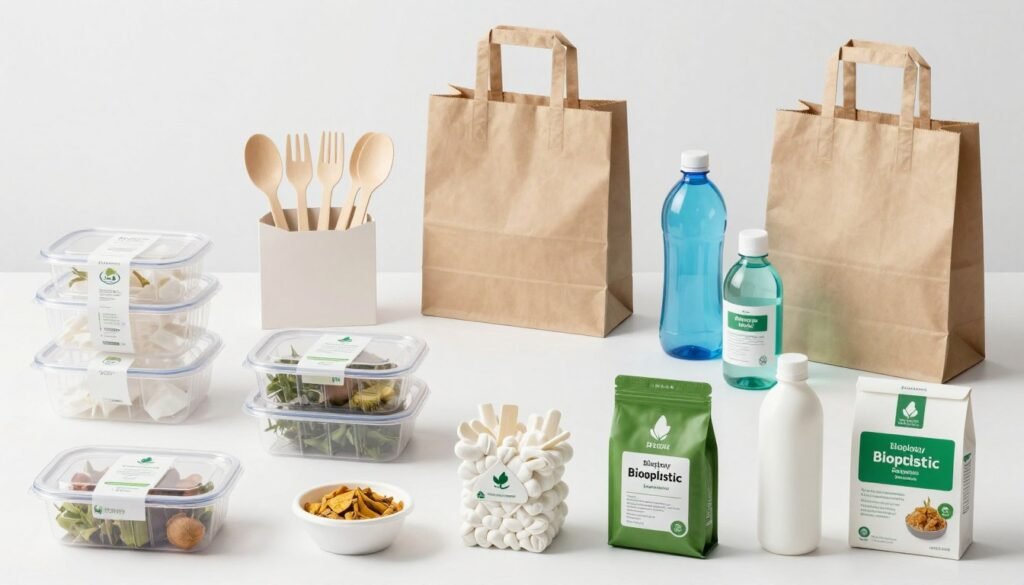
Food Packaging and Food Service Applications
Food packaging represents the largest application sector for bioplastics. The combination of single-use nature, food contamination issues, and consumer visibility makes this category particularly suitable for bioplastic adoption.
Rigid Food Containers
Bioplastics produce rigid containers for fresh foods, prepared meals, and takeaway service. PLA thermoforms into clamshell containers, cups, and bowls that provide grease resistance and product visibility. These containers work well for cold and room-temperature foods, though heat limitations restrict hot-fill applications.
Deli containers, salad bowls, and fruit packaging utilize bioplastic clarity to showcase product freshness. The material maintains food quality while communicating sustainability values to environmentally conscious consumers. Stackability and protection characteristics match conventional plastic containers for distribution and display.
Flexible Food Packaging Films
Bioplastic films wrap fresh produce, baked goods, and various food products. These films provide moisture barriers while allowing products to breathe when required. Modified permeability helps extend shelf life for fresh items including vegetables and baked goods.
Cellulose-based films offer excellent transparency and twist-retention for candy wrapping. PLA films work for window applications in paperboard packaging, providing product visibility without fully synthetic materials. Multilayer structures combining bioplastic films with other materials optimize barrier properties for extended shelf-life applications.
Bottles and Beverage Containers
PLA bottles serve cold beverages including water, juices, and dairy products. The material provides clarity comparable to polyethylene terephthalate (PET) while offering renewable content advantages. Size limitations and heat sensitivity restrict applications to refrigerated products and single-serve formats.
Bio-based PET incorporates renewable content while maintaining conventional PET properties. Major beverage brands utilize bio-PET for bottles containing 30 to 100 percent bio-based content. This drop-in replacement works within existing recycling infrastructure while reducing fossil fuel dependence.
Food Service Disposables
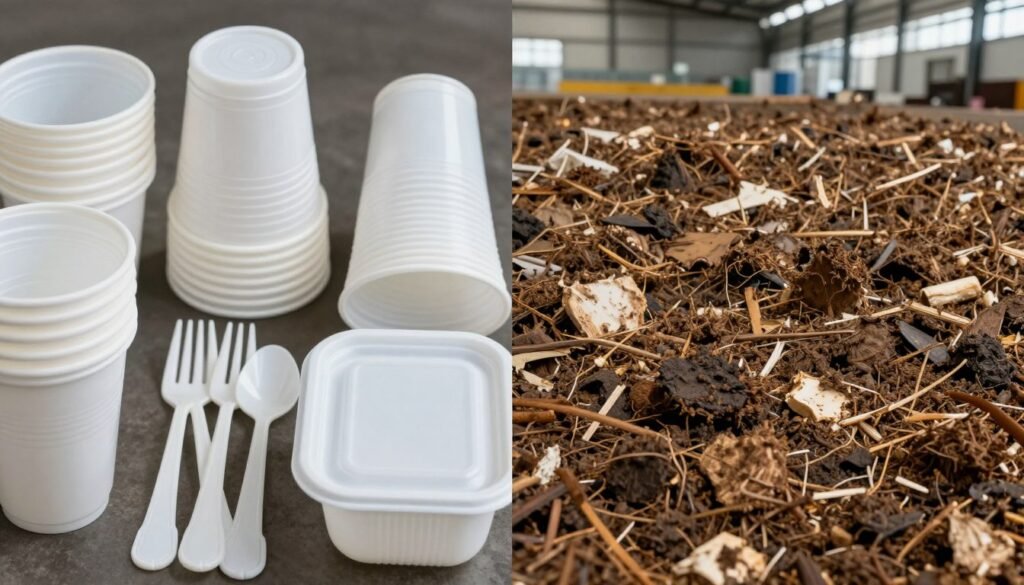
Restaurants, cafeterias, and catering operations increasingly adopt bioplastic disposable serviceware. Plates, bowls, cups, cutlery, and straws made from PLA or other bioplastics provide compostable alternatives for high-volume food service.
The compostability of these items allows food waste and serviceware to enter composting systems together. This integration simplifies waste sorting and improves organic waste diversion in settings including corporate cafeterias, universities, and events.
Performance improvements in bioplastic cutlery address early complaints about brittleness and heat sensitivity. Modern formulations provide strength and temperature resistance suitable for most food service applications. Specialized items including coffee cup lids and smoothie straws demonstrate bioplastic capability to replace conventional plastic across the full range of food service needs.
Agricultural Mulch Films
Biodegradable mulch films provide an innovative agricultural application that eliminates plastic waste. Farmers spread these films over crop rows to suppress weeds, conserve moisture, and moderate soil temperature. At season’s end, biodegradable films can be tilled into soil where they decompose rather than requiring collection and disposal.
This application addresses a significant agricultural plastic waste challenge. Conventional polyethylene mulch requires labor-intensive removal and creates disposal costs. Films contaminated with soil resist recycling, typically ending in landfills. Biodegradable alternatives simplify operations while reducing environmental impact.
Material requirements for mulch films include UV resistance for outdoor exposure, sufficient strength for installation and crop production period, and reliable biodegradation post-incorporation. Starch blends with biodegradable polyesters provide these property combinations.
Consumer Products and Retail Applications
Bioplastics increasingly appear in consumer products where sustainability messaging provides brand differentiation and consumer appeal.
Shopping Bags and Retail Packaging
Compostable shopping bags offer alternatives to conventional plastic bags facing regulatory restrictions. These bags provide comparable strength and functionality for grocery shopping and retail purchases while supporting organic waste collection when used as kitchen compost bin liners.
European Union single-use plastic directives have accelerated bioplastic bag adoption. Germany’s well-established waste management systems and environmental consciousness create favorable conditions for compostable bag use. Clear labeling helps consumers understand proper disposal in organic waste streams.
E-commerce packaging increasingly incorporates bioplastic components. Cushioning materials, void fill, and protective wraps made from bioplastics maintain product protection while aligning with online retailer sustainability commitments. Starch-based loose fill and air pillows biodegrade or dissolve in water for easy disposal.
Personal Care Product Packaging
Cosmetics and personal care brands adopt bioplastic packaging to appeal to environmentally conscious consumers. Bottles, jars, and tubes made from bio-based PE or PLA contain products ranging from shampoos to lotions.
The personal care sector values the sustainability story that bioplastic packaging enables. Premium positioning and brand differentiation justify the higher material costs in this category. Consumers purchasing natural and organic personal care products particularly value sustainable packaging that aligns with product values.
Textiles and Nonwoven Fabrics
PLA fibers produce textiles and nonwoven fabrics for various applications. Apparel, home textiles, and industrial fabrics utilize these renewable fibers. The moisture-wicking properties and soft hand feel make PLA suitable for activewear and base layer garments.
Nonwoven applications including wet wipes, tea bags, and medical textiles benefit from PLA biodegradability. Products designed for disposal gain environmental advantages when made from materials that break down after use. Flushable wipes and biodegradable hygiene products address problematic waste streams.
Toys and Children's Products
Toy manufacturers increasingly use bioplastics for products targeting environmentally conscious parents. Building blocks, figurines, and outdoor toys made from bio-based plastics offer safety and sustainability benefits. The absence of concerning additives provides additional appeal for children’s products.
The durability requirements for toys generally favor non-biodegradable bio-based plastics that provide long-lasting performance. Bio-PE works particularly well for toys requiring toughness and chemical resistance. Toy companies communicate renewable content and reduced carbon footprint as product benefits.
Electronics and Technical Applications
Technical applications increasingly incorporate bioplastics as material properties improve and sustainability priorities extend beyond consumer-facing products.
Electronics Housings and Components
Computer keyboards, mouse casings, and mobile device components utilize bio-based engineering plastics. These applications require dimensional stability, impact resistance, and aesthetic quality that advanced bioplastics increasingly provide.
The electronics industry pursues carbon footprint reduction across product lifecycles. Bioplastic adoption contributes to these environmental goals while maintaining performance standards. Major electronics manufacturers have introduced products featuring bio-based plastic components as part of broader sustainability initiatives.
Automotive Interior Components
Automotive applications for bioplastics include interior trim panels, door components, and under-hood parts. PLA composites reinforced with natural fibers provide lightweight alternatives to conventional plastics and reduce vehicle weight for improved fuel efficiency.
European automotive manufacturers lead bioplastic adoption in vehicles. Mercedes-Benz, BMW, and other brands incorporate natural fiber composites and bio-based plastics in various components. The automotive sector’s large material volumes and sustainability commitments drive continued bioplastic development for demanding applications.
Medical and Healthcare Applications
Medical applications leverage bioplastic biodegradability and biocompatibility for specialized products.
Surgical and Medical Devices
Biodegradable sutures, drug delivery systems, and tissue engineering scaffolds utilize bioplastics including PLA and PHA. These materials degrade harmlessly in the body, eliminating the need for removal procedures. Controlled degradation rates can be engineered to match tissue healing timelines.
Medical device applications require rigorous testing and regulatory approval. Bioplastics approved for medical use meet stringent biocompatibility and performance standards. The ability to biodegrade within the body offers significant clinical advantages for certain applications.
Pharmaceutical Packaging
Blister packs, bottles, and other pharmaceutical packaging increasingly incorporate bioplastics. These applications require excellent barrier properties to protect drug stability while meeting regulatory requirements for pharmaceutical packaging materials.
The pharmaceutical industry’s conservative approach to material changes means adoption proceeds deliberately. Extensive testing validates that bioplastic packaging maintains drug efficacy throughout shelf life. Successful implementations build confidence for broader adoption across pharmaceutical products.
Agricultural and Horticultural Products
Beyond mulch films, agriculture utilizes various bioplastic products that address specific industry needs.
Plant Pots and Seedling Containers
Biodegradable plant pots allow direct transplanting without pot removal. The pots degrade in soil after planting, reducing transplant shock and labor requirements. Nursery operations and home gardeners both benefit from this convenience and plant health advantage.
These pots are manufactured from starch blends, cellulose, or other biodegradable materials. The pots must maintain structural integrity during plant growth while degrading relatively quickly after transplanting. Balancing these competing requirements requires careful material formulation.
Clips and Ties
Biodegradable plant support clips and ties eliminate the need for removal at season’s end. These small items often get missed during cleanup, contributing to plastic accumulation in agricultural soils. Biodegradable alternatives disappear through natural decomposition.
Emerging and Innovative Applications
Ongoing research and development expand bioplastic applications into new territories.
3D Printing Filaments
PLA dominates the 3D printing filament market for home and educational use. The material’s easy processing, lack of odor, and renewable origin make it ideal for desktop 3D printing. Prototyping, educational projects, and hobbyist applications utilize PLA filament extensively.
Advanced bioplastic filaments with improved properties enable functional part production. Engineering-grade bioplastics with enhanced heat resistance and mechanical properties expand additive manufacturing applications.
Biomedical Research Applications
Tissue engineering utilizes bioplastic scaffolds that guide cell growth and tissue formation. These scaffolds provide temporary structure that degrades as natural tissue develops. PHA materials show particular promise due to their biocompatibility and tunable degradation rates.
Coatings and Adhesives
Bioplastic-based coatings provide barriers for paper and cardboard packaging. These coatings replace polyethylene laminations, creating recyclable or compostable paperboard packaging. Water-based PLA dispersions coat paper for grease resistance without compromising paper recycling.
Packaging Applications
The largest bioplastic application sector encompasses diverse packaging formats for food protection and product containment.
- Rigid containers and clamshells for fresh food
- Flexible films for produce and baked goods
- Bottles for cold beverages and dairy products
- Food service disposables including plates and cutlery
Consumer Goods
Direct-to-consumer products leverage bioplastics for brand differentiation and sustainability positioning.
- Personal care product packaging and containers
- Shopping bags and retail packaging materials
- Toys and children’s products emphasizing safety
- Home textiles and apparel from PLA fibers
Agricultural Products
Agriculture-specific applications address unique industry needs while reducing plastic waste in farming operations.
- Biodegradable mulch films for crop production
- Plant pots and seedling containers for transplanting
- Support clips and ties that biodegrade in soil
- Controlled-release fertilizer coatings
Technical Applications
Engineering and industrial uses demonstrate bioplastic capability for demanding performance requirements.
- Electronics housings and component parts
- Automotive interior trim and components
- Medical devices and pharmaceutical packaging
- 3D printing filaments for additive manufacturing
Need Help Selecting Bioplastics for Your Application?
Our materials experts can guide you through bioplastic options, property requirements, and supplier selection for your specific product needs. Get personalized consultation for your application.
How to Choose the Right Bioplastic Supplier: A Comprehensive Selection Guide
Selecting an appropriate bioplastic supplier represents a critical decision that affects product quality, cost structure, supply reliability, and ultimately your ability to achieve sustainability goals. A systematic evaluation process helps identify partners capable of supporting your specific requirements.

Defining Your Bioplastic Requirements
Successful supplier selection begins with clearly articulating your material needs and application requirements. Ambiguity in requirements leads to mismatched solutions and disappointing outcomes.
Application-Specific Property Requirements
Identify the critical performance characteristics your application demands. Temperature exposure ranges, mechanical load conditions, barrier property needs, and environmental exposure all influence appropriate material selection.
Create a specification document detailing these requirements. Include both minimum acceptable values and target performance levels. Distinguish between essential properties that must be met and desirable characteristics that enhance but aren’t critical for functionality.
Consider the complete product lifecycle during requirement definition. Storage conditions, transportation stresses, use environment, and end-of-life scenario all impose requirements on material selection. A comprehensive view prevents selecting materials that perform well in one lifecycle stage but fail in another.
Volume and Supply Needs
Your volume requirements significantly influence supplier suitability. Small specialty suppliers may excel at serving low-volume custom applications but lack capacity for large-scale production. Conversely, major producers may require minimum order quantities that exceed small business needs.
Project your volume trajectory over multiple years. Suppliers capable of scaling with your business growth prevent the disruption of switching partners as volumes increase. Discuss growth plans during supplier evaluation to assess their capacity to accommodate expansion.
Lead time expectations and inventory flexibility also matter. Just-in-time delivery requirements demand suppliers with responsive logistics and adequate inventory. Seasonal volume fluctuations require flexible suppliers who can accommodate varying order patterns.
Certification and Regulatory Requirements
Determine which certifications and regulatory compliances your application requires. Food contact materials need appropriate food safety certifications. Compostable products require third-party certification to relevant standards. Medical applications demand biocompatibility testing and regulatory submissions.
European Union regulations impose specific requirements on materials used within member states. REACH compliance, food contact migration limits, and packaging waste directives all create obligations that suppliers must meet. Verify that prospective suppliers maintain appropriate certifications for your target markets.
Sustainability Goals and Metrics
Articulate your sustainability objectives clearly. Renewable content targets, carbon footprint reduction goals, or specific end-of-life scenarios guide material selection. Some organizations prioritize bio-based content while others focus on biodegradability or recyclability.
Request life cycle assessment data from suppliers. These analyses quantify environmental impacts across material lifecycles, enabling evidence-based decision making. Compare options using consistent methodologies and system boundaries to ensure valid comparisons.
Evaluating Supplier Capabilities and Credentials
Systematic evaluation across multiple criteria identifies suppliers best positioned to meet your needs reliably over time.
Material Expertise and Technical Support
Supplier technical knowledge profoundly affects implementation success. Material selection, processing parameter optimization, and troubleshooting require expertise that many businesses lack internally.
Assess supplier technical capabilities through initial consultations. Can they discuss material properties knowledgeably? Do they ask probing questions about your application? Can they suggest alternatives when your first choice proves unsuitable?
Inquire about available technical support. Some suppliers provide extensive application development assistance including prototype development, processing trials, and ongoing troubleshooting. Others offer minimal support beyond standard datasheets. Match support levels to your internal capabilities and needs.
Request references from customers with similar applications. Speaking directly with other users provides candid insights into supplier responsiveness, problem-solving ability, and relationship quality.
Quality Management and Consistency
Material consistency directly impacts product quality and manufacturing efficiency. Property variations between batches create processing challenges and potential product failures.
Investigate supplier quality management systems. ISO 9001 certification indicates systematic quality control processes. Review their testing protocols and specifications to understand what properties they control and monitor.
Request certificates of analysis for sample materials. These documents show actual test results for the specific material lot. Examine the range of properties tested and compare to specification limits to assess process control capability.
Discuss how suppliers handle non-conforming material. Clear procedures for notification, root cause analysis, and corrective action indicate mature quality systems. Understanding their quality issue response provides insight into how problems would be managed.
Supply Chain Reliability and Logistics
Supply disruptions halt production and damage customer relationships. Supplier reliability represents a fundamental evaluation criterion.
Investigate supplier financial stability and business history. Established suppliers with stable ownership and sound finances pose lower supply disruption risk. While innovative startups may offer cutting-edge materials, they carry higher supply risk.
Assess their supply chain depth. Do they manufacture materials or source from third parties? What raw material sources feed their production? Understanding the complete supply chain reveals vulnerability points.
Evaluate logistics capabilities and flexibility. How do they handle rush orders? What inventory do they maintain? Can they accommodate special packaging or delivery requirements? Transportation options and lead times affect your inventory requirements and customer service capability.
Certifications and Compliance Documentation
Appropriate certifications validate material suitability for intended applications and demonstrate compliance with applicable regulations.
For food contact applications, verify suppliers hold necessary certifications for your markets. European food contact materials require compliance with EU Regulation 1935/2004 and specific measures for plastic materials. Suppliers should provide declaration of compliance and supporting migration testing data.
Compostable material certifications from bodies including DIN CERTCO, TÜV Austria, or BPI validate biodegradability claims. Verify that certificates cover your specific product format and conditions. Film certification doesn’t automatically extend to molded products from the same resin.
Sustainability certifications including ISCC PLUS or RSB verify sustainable sourcing of bio-based feedstocks. These certifications trace material origins and verify agricultural sustainability practices.
Pricing Structure and Terms
Understanding complete cost structures enables accurate financial evaluation and prevents surprises.
Request detailed pricing including all applicable charges. Material cost per kilogram represents just one component. Minimum order quantities, packaging charges, freight costs, and payment terms all affect total cost.
Understand price adjustment mechanisms. Are prices fixed or subject to raw material escalators? How frequently can prices change? What notice will you receive before price increases?
Compare pricing between suppliers on a total cost basis rather than material price alone. Lower per-kilogram costs offset by higher freight, larger minimum orders, or poor technical support may not represent genuine savings.
Key Questions to Ask Potential Suppliers
Structured questioning during supplier evaluation reveals capabilities and compatibility with your requirements.
- What materials do you recommend for our specific application and why?
- Can you provide technical datasheets and property specifications?
- What processing conditions and equipment work best with your materials?
- Do you provide application development support and processing assistance?
- Can you supply material samples for testing and qualification?
- What shelf life can we expect and what storage conditions are required?
- How do properties compare to conventional plastic alternatives?
Technical Capability Questions
- What quality management systems and certifications do you maintain?
- What properties do you test and control on each production batch?
- Can you provide certificates of analysis with actual test data?
- What food contact certifications and compliance documentation can you supply?
- Do you have compostability certifications from recognized third parties?
- How do you handle quality issues and non-conforming material?
- What warranty or guarantee covers material quality?
Quality and Compliance Questions
- What minimum order quantities and lead times apply?
- What payment terms and conditions do you offer?
- How do you handle pricing adjustments and what notice do you provide?
- What inventory do you maintain and can you accommodate urgent orders?
- Can you provide customer references for similar applications?
- What is your production capacity and ability to scale with our growth?
- How stable is your supply chain for raw materials and feedstocks?
Business and Logistics Questions
Red Flags and Warning Signs to Watch For
Certain indicators suggest supplier relationships may prove problematic. Recognizing these warning signs during evaluation prevents costly mistakes.
Vague or Unsubstantiated Claims
Suppliers making broad environmental claims without supporting data warrant skepticism. Terms like “eco-friendly” or “green” without specific metrics and third-party verification may indicate greenwashing.
Request specific evidence for sustainability claims. Life cycle assessment data, certification documents, and test results provide objective validation. Reluctance to provide supporting documentation suggests claims may be exaggerated.
Limited Technical Knowledge
Suppliers unable to discuss material properties competently or answer technical questions confidently likely lack the expertise to support implementation. Sales representatives should demonstrate material knowledge or quickly connect you with technical specialists.
Generic responses copied from marketing materials without application-specific insights indicate limited engagement. Strong suppliers ask detailed questions about your application to understand requirements and recommend appropriate solutions.
Unwillingness to Provide Samples or References
Reluctance to supply material samples for testing suggests potential quality concerns or limited inventory. While suppliers may charge for large sample quantities, they should readily provide small amounts for initial evaluation.
Inability or unwillingness to provide customer references raises concerns about relationship quality or customer satisfaction. Established suppliers with successful implementations should gladly connect prospects with satisfied customers.
Unclear or Unfavorable Terms
Contract terms heavily favoring the supplier including unreasonable minimum commitments, unclear pricing mechanisms, or limited liability for quality issues create risk. Business relationships require balanced terms protecting both parties.
Pressure tactics including limited-time offers or aggressive sales approaches suggest desperation rather than confidence in value proposition. Professional suppliers present their offerings objectively and allow customers appropriate time for evaluation.
Supplier Qualification and Testing Process
Systematic qualification procedures validate supplier capabilities before committing to commercial relationships.
Sample Testing and Evaluation
Obtain material samples for comprehensive property testing. Laboratory analysis verifies claimed properties and identifies potential issues. Test both the material itself and finished products made from it.
Process samples using your actual manufacturing equipment when possible. Processing behavior often reveals compatibility issues not apparent from property data alone. Document processing parameters including temperatures, pressures, and cycle times.
Subject finished products to application-relevant performance testing. Simulate actual use conditions to validate fitness for purpose. Accelerated aging tests predict long-term behavior and shelf life.
Small-Scale Production Trials
Conduct limited production runs using qualified materials before full commercial launch. Small-scale trials reveal processing challenges and quality issues at lower risk and cost than full production.
Monitor processing efficiency and reject rates during trials. Excessive waste or processing difficulties indicate need for parameter optimization or alternative material consideration.
Supply Trial Orders
Place initial commercial orders in limited quantities to evaluate supplier performance. Assess delivery reliability, material consistency, and documentation accuracy with lower financial exposure.
Compare properties across multiple shipments to verify batch-to-batch consistency. Significant variations suggest process control issues requiring resolution before volume commitments.
Building Successful Supplier Relationships
Selecting the right supplier represents just the beginning. Nurturing productive relationships generates ongoing value and continuous improvement.
Clear Communication and Expectations
Establish clear communication channels and expectations from the relationship outset. Define roles, responsibilities, and escalation procedures for various situations including quality issues, supply concerns, and technical support needs.
Regular business reviews maintain alignment and address emerging issues proactively. Scheduled meetings to discuss performance, upcoming needs, and improvement opportunities strengthen relationships and prevent surprises.
Collaborative Problem-Solving
Approach challenges as shared problems requiring collaborative solutions. Adversarial relationships damage trust and limit supplier willingness to invest in your success.
Share information openly to enable effective problem-solving. Providing suppliers with complete context about applications, requirements, and constraints helps them develop appropriate solutions.
Fair Treatment and Reasonable Expectations
Maintain realistic expectations about capabilities and limitations. Expecting commodity pricing with premium service, or demanding properties beyond material capabilities creates tension and disappointment.
Pay invoices promptly according to agreed terms. Financial pressure on suppliers may result in quality shortcuts or supply prioritization favoring better-paying customers.
Continuous Improvement
Engage suppliers in ongoing improvement efforts. Their expertise in materials and processing can drive product improvements and cost reductions.
Provide feedback on performance including both positive recognition and constructive criticism. Specific feedback enables targeted improvement more effectively than vague dissatisfaction.

Regional Considerations for European and German Markets
Operating within Germany and the European Union creates specific supplier selection considerations.
Local Versus International Suppliers
European suppliers offer advantages including reduced transportation distances with lower carbon footprints and freight costs. Proximity facilitates communication, site visits, and technical collaboration. Shared time zones and languages simplify interactions.
European suppliers inherently understand EU regulations and market requirements. Certifications, compliance documentation, and technical standards align with regional expectations without translation or adaptation.
However, limiting supplier search to Europe may exclude innovative materials and competitive pricing available globally. Asian producers offer significant cost advantages for many bioplastics. North American suppliers provide access to advanced materials developed for their large domestic market.
Language and Cultural Considerations
German-speaking suppliers eliminate language barriers that can complicate technical discussions and create misunderstandings. Nuanced technical terminology translates imperfectly, potentially causing specification confusion.
Cultural compatibility affects business relationships. German business culture values precision, thoroughness, and long-term relationships. Suppliers sharing these values integrate more smoothly than those with transactional approaches or casual attitudes toward commitments.
Regulatory Expertise
Suppliers experienced with European Union regulations navigate compliance requirements effectively. They understand testing protocols, documentation requirements, and certification procedures specific to EU markets.
This expertise proves particularly valuable for complex regulatory areas including food contact materials, medical devices, and chemical safety. Regulatory missteps create significant costs through delays, reformulation requirements, or market access restrictions.
| Evaluation Criterion | Key Considerations | Red Flags | Ideal Indicators |
| Technical Expertise | Material knowledge, application experience, technical support availability | Vague responses, limited material understanding, no technical support | Detailed property discussions, probing questions, development assistance offers |
| Quality Management | ISO certifications, testing protocols, consistency data | No quality certifications, unclear specifications, reluctant to share data | ISO 9001 certified, comprehensive testing, narrow specification ranges |
| Supply Reliability | Business stability, supply chain depth, inventory levels | New company, single source dependence, no inventory buffer | Established business, multiple feedstock sources, maintained stock |
| Certifications | Relevant third-party certifications, compliance documentation | Unverified claims, missing certificates, expired certifications | Multiple recognized certifications, complete documentation, current validity |
| Pricing Transparency | Clear pricing structure, all charges disclosed, adjustment mechanisms | Hidden charges, unclear terms, frequent unexpected increases | Detailed pricing breakdown, stable pricing, advance change notification |
| Communication | Responsiveness, language capability, technical accessibility | Slow responses, language barriers, unreachable technical staff | Quick replies, fluent communication, accessible experts |
Get Expert Help Choosing Your Bioplastic Supplier
Our supplier evaluation service leverages industry knowledge and technical expertise to identify suppliers perfectly matched to your requirements. We handle the evaluation process, negotiate terms, and ensure you establish relationships with reliable partners.
Current Market Trends and Future Outlook for Bioplastics
The bioplastics industry experiences rapid evolution driven by technological advances, regulatory developments, and market forces. Understanding current trends and future trajectories helps organizations make informed strategic decisions.
Market Growth and Projections
Global bioplastics production capacity continues expanding rapidly. Industry projections indicate production will grow from approximately 2.4 million tonnes in 2023 to over 6 million tonnes by 2028, representing a compound annual growth rate exceeding 15 percent.
Europe leads bioplastics adoption globally, accounting for significant production and consumption. Germany represents the largest European market, driven by strong environmental policies, advanced waste management infrastructure, and environmentally conscious consumers.
The packaging sector dominates bioplastics applications, consuming approximately 47 percent of production. This concentration reflects packaging’s combination of high visibility, single-use nature, and environmental concerns. However, other sectors including automotive, consumer goods, and textiles show accelerating growth as materials improve and sustainability priorities spread.
Technological Developments
Research and development efforts continuously improve bioplastic properties and expand application possibilities. Advanced materials close performance gaps with conventional plastics while maintaining environmental advantages.
Next-Generation Materials
New polymer types under development promise enhanced properties. High-performance bio-based engineering plastics target demanding applications currently dominated by conventional materials. These advanced polymers offer heat resistance, mechanical strength, and chemical resistance approaching or matching petroleum-based alternatives.
Improved PHA variants address cost and property limitations of early materials. Fermentation process optimization and novel bacterial strains reduce production costs while expanding property ranges. Third and fourth-generation PHAs demonstrate properties suitable for diverse applications from flexible packaging to durable goods.
Processing Technology Advances
Processing equipment and techniques adapted specifically for bioplastics improve manufacturability and product quality. Specialized screw designs, modified temperature profiles, and novel additives optimize bioplastic processing.
Drop-in bioplastic formulations that process identically to conventional plastics on existing equipment reduce adoption barriers. These materials eliminate the need for equipment modifications or parameter development that can deter manufacturers from material transitions.
Feedstock Diversification
Alternative feedstock development addresses concerns about agricultural land use and food competition. Second-generation feedstocks including agricultural waste, algae, and carbon dioxide show promise for sustainable bioplastic production.
Waste stream utilization creates circular economy solutions where residues become valuable inputs. Food waste, agricultural residues, and forestry byproducts can serve as feedstocks, reducing disposal needs while generating useful materials. This approach addresses both waste management and raw material sourcing challenges simultaneously.
Regulatory Landscape Evolution
Government policies increasingly favor bioplastics adoption through various mechanisms including restrictions on conventional plastics, extended producer responsibility schemes, and sustainability mandates.
European Union Initiatives
The European Union Single-Use Plastics Directive restricts certain conventional plastic items including cutlery, plates, straws, and stirrers. These restrictions create opportunities for bioplastic alternatives that meet exemption criteria or replace banned items.
The European Union Circular Economy Action Plan emphasizes sustainable product design, resource efficiency, and waste reduction. Bioplastics align with these objectives through renewable sourcing and, for biodegradable types, organic recycling possibilities.
Extended Producer Responsibility schemes make producers financially responsible for end-of-life management. These policies incentivize design for recyclability or compostability, favoring materials with clear waste management pathways including certified compostable bioplastics.
German Environmental Policies
Germany’s Packaging Act imposes recycling targets and fees based on material recyclability and recycled content. Bioplastics entering appropriate waste streams may qualify for favorable treatment, though regulatory interpretation continues evolving.
German waste management infrastructure, particularly organic waste collection and composting systems, supports biodegradable bioplastic adoption. Well-established separate collection systems and processing facilities enable practical implementation of compostable packaging and products.
Sustainability Standards and Verification
Third-party standards and certification schemes provide credible verification of environmental claims, addressing greenwashing concerns and building market confidence.
Sustainability certification systems for bio-based feedstocks ensure responsible agricultural practices. Standards including ISCC PLUS and RSB verify that biomass comes from sustainable sources without deforestation, land use change, or social conflicts. These certifications address supply chain sustainability concerns.
Carbon footprint quantification methodologies enable comparison between materials based on greenhouse gas emissions across life cycles. Standardized approaches including the GHG Protocol and ISO 14067 provide frameworks for credible carbon footprint claims.
Economic Trends
Market forces increasingly favor bioplastics as production scales, costs decline, and conventional plastic faces scrutiny.
Cost Competitiveness Improvements
Bioplastic production costs decrease as manufacturing scales expand and processes optimize. PLA prices approach parity with conventional plastics in some applications as global capacity increases. Learning curve effects and process improvements continue driving costs downward.
Conventional plastic price volatility linked to petroleum markets makes fixed-price bioplastic contracts increasingly attractive. Businesses value cost predictability for planning and budgeting purposes. Bio-based materials derived from agricultural feedstocks with more stable pricing offer advantages during petroleum price spikes.
Investment and Capacity Expansion
Significant investment flows into bioplastics production capacity. Major chemical companies build dedicated bioplastic facilities while startups develop novel materials and processes. This investment reflects confidence in market growth and long-term viability.
Capacity additions focus particularly on high-growth materials including PHA, which addresses PLA limitations, and bio-based PE, which offers drop-in compatibility. Regional production expansion reduces transportation distances and carbon footprints while supporting local economies.
Challenges and Barriers
Despite positive trends, the bioplastics industry faces obstacles that require addressing for sustained growth.
Infrastructure Gaps
End-of-life infrastructure for biodegradable bioplastics lags material development and adoption. Composting facility capacity limitations and acceptance policies restrict practical compostable plastic use in many regions.
Investment in waste processing infrastructure requires policy support and market demand signals. Public sector involvement through facility development, collection system expansion, and regulatory frameworks proves essential for infrastructure development.
Consumer Education Needs
Widespread consumer confusion about bioplastic terms, properties, and disposal methods undermines environmental benefits. Education initiatives explaining bioplastic types, appropriate disposal methods, and avoiding greenwashing remain necessary.
Clear, standardized labeling helps consumers make informed choices and dispose of materials appropriately. Industry collaboration on consistent messaging and symbols improves communication effectiveness.
Competition from Conventional Plastic Improvements
The conventional plastics industry responds to sustainability pressure through increased recycling, recycled content incorporation, and advanced recycling technologies. These improvements maintain conventional plastic competitiveness and may slow bioplastic adoption in some applications.
Mechanical recycling advances enable higher quality recycled plastics suitable for demanding applications. Chemical recycling technologies convert plastic waste to chemical feedstocks for new plastic production, creating circular pathways for conventional plastics.
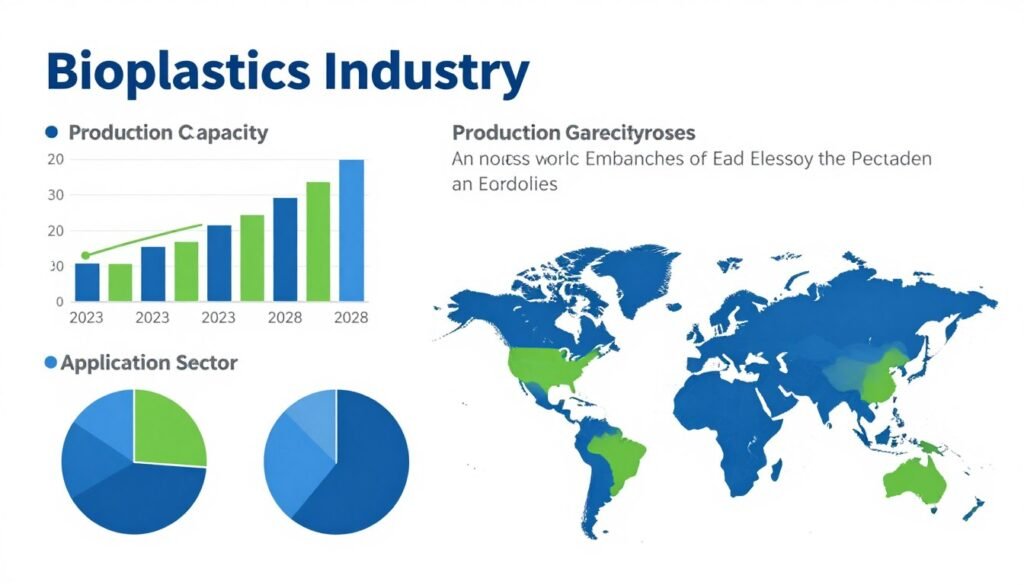
Comprehensive Environmental Impact Assessment of Bioplastics
Evaluating the true environmental performance of bioplastics requires comprehensive life cycle thinking that accounts for impacts from raw material production through end-of-life treatment. Simplistic assessments based on single attributes can mislead and obscure important tradeoffs.
Life Cycle Assessment Methodology
Life cycle assessment provides the most comprehensive framework for environmental impact evaluation. This methodology quantifies resource consumption and environmental emissions across all lifecycle stages including raw material extraction, production, transportation, use, and end-of-life disposal.
LCA studies examine multiple impact categories beyond carbon footprint. Eutrophication from agricultural runoff, acidification from emissions, water consumption, land use, and resource depletion all factor into complete environmental profiles. Single-issue focus on one category while ignoring others creates incomplete pictures.
System boundaries significantly affect LCA conclusions. Studies must clearly define what processes they include and exclude. Comparisons between studies require consistent boundaries and methodologies for valid conclusions.
Carbon Footprint Considerations
Greenhouse gas emissions represent a critical environmental indicator where bioplastics frequently demonstrate advantages over conventional alternatives.
Biogenic Carbon Cycles
Plants capture atmospheric carbon dioxide during photosynthesis, incorporating this carbon into their biomass. When converted to bioplastics, this biogenic carbon remains stored in the material. This carbon sequestration differentiates bio-based plastics from fossil-based alternatives that release geologically stored carbon.
The carbon benefit calculation depends on end-of-life scenarios. Incineration releases the biogenic carbon back to the atmosphere, though this carbon originated from recent atmospheric CO2 rather than ancient fossil stores. Landfilling may sequester carbon long-term if plastics don’t degrade. Composting returns carbon to soil organic matter where it persists for years to decades.
Production Process Emissions
Manufacturing processes contribute emissions through energy consumption and chemical reactions. Agricultural production of feedstocks generates emissions from fertilizer manufacture and application, farm equipment operation, and processing energy requirements.
Process efficiency improvements and renewable energy utilization reduce production emissions. Facilities powered by wind, solar, or biogas create lower carbon footprint materials than those using fossil fuel energy. Manufacturing location and energy grid carbon intensity significantly influence overall carbon footprints.
Comparative Carbon Performance
Meta-analyses comparing bioplastics to conventional plastics indicate average greenhouse gas emission reductions ranging from 30 to 70 percent for bio-based materials. PLA typically achieves approximately 50 percent reduction compared to conventional plastics. Bio-PE shows somewhat smaller benefits as ethylene production represents a smaller portion of total polyethylene manufacturing emissions.
However, significant variation exists between specific materials and production methods. Best-case bioplastics powered by renewable energy and using efficient feedstocks achieve much larger emission reductions. Conversely, poorly designed systems with inefficient conversion and fossil energy may show minimal advantage or even higher emissions than efficient conventional plastic production.
Water Footprint and Agricultural Impacts
Bioplastic feedstock cultivation requires water for irrigation and involves agricultural practices with various environmental implications.
Water Consumption
Crop irrigation for bioplastic feedstocks consumes significant water resources in some regions. Corn, sugarcane, and other feedstock crops require water throughout growing seasons. Water-stressed regions face particular concerns about agricultural water demands competing with other uses.
Water footprint varies dramatically by crop, agricultural region, and production system. Rainfed agriculture in regions with adequate precipitation generates much lower water footprints than irrigated crops in arid regions. Feedstock selection considering regional water availability reduces water stress impacts.
Agricultural Runoff and Eutrophication
Fertilizer application for feedstock crops creates runoff containing nitrogen and phosphorus. These nutrients enter waterways where they cause eutrophication, algal blooms, and oxygen depletion harmful to aquatic ecosystems.
Agricultural best practices including precision fertilizer application, cover cropping, and buffer strips reduce runoff. Organic and regenerative agriculture approaches minimize synthetic fertilizer dependence. Life cycle assessments should credit improved agricultural practices that reduce these impacts.
Pesticide Use and Biodiversity
Conventional agriculture employs pesticides that pose risks to non-target organisms and reduce biodiversity. Large-scale monoculture feedstock production exacerbates these concerns through habitat simplification and intensive chemical use.
Integrated pest management and organic production methods reduce pesticide dependence. Crop diversification and landscape-level habitat conservation support biodiversity even within agricultural regions producing bioplastic feedstocks.
Land Use and Food Security Considerations
Feedstock production requires agricultural land, raising questions about competition with food production and land use change impacts.
Direct Land Use
Current bioplastics production consumes relatively modest agricultural land compared to food, feed, and biofuel production. Industry estimates suggest bioplastics use less than 0.02 percent of global agricultural land. However, significant production expansion would proportionally increase land requirements.
Productive land suitable for feedstock cultivation remains finite. Population growth and dietary changes simultaneously increase food demand. Balancing biomaterial production with food security requires careful planning and prioritization.
Indirect Land Use Change
Indirect land use change occurs when bioplastic feedstock production displaces food crops, which then expand into previously undeveloped land including forests or grasslands. This indirect effect can generate significant carbon emissions from ecosystem conversion that offset bioplastic carbon benefits.
ILUC effects prove difficult to quantify and attribute to specific uses. Life cycle assessments increasingly attempt to account for these indirect effects, though methodologies remain debated. Feedstocks from waste streams or degraded lands avoid ILUC concerns.
Sustainable Intensification
Improving agricultural yields on existing farmland through sustainable intensification can accommodate biomaterial feedstocks without land expansion. Practices including precision agriculture, improved crop varieties, and optimized nutrient management increase production from current agricultural lands.
End-of-Life Scenarios and Impacts
End-of-life treatment significantly influences overall environmental performance. Different disposal pathways create varying environmental outcomes.
Composting
Industrial composting of certified biodegradable plastics converts materials to valuable soil amendments. The resulting compost improves soil structure, water retention, and nutrient content. Carbon sequestration in soil organic matter provides climate benefits.
Energy requirements for composting operations prove modest compared to virgin material production. Transportation to composting facilities and processing emissions contribute to total impacts but typically remain much lower than alternative disposal methods.
Anaerobic Digestion
Anaerobic digestion processes organic waste including compatible biodegradable plastics to produce biogas and digestate. Biogas provides renewable energy through combustion for heat, electricity, or vehicle fuel. Digestate serves as fertilizer, returning nutrients to agriculture.
The dual benefits of energy production and waste treatment create favorable environmental profiles. Methane capture prevents this potent greenhouse gas from entering the atmosphere while displacing fossil energy consumption.
Mechanical Recycling
Non-biodegradable bio-based plastics including bio-PE can enter mechanical recycling streams alongside their conventional counterparts. Recycling reduces virgin material demand and associated production impacts.
However, recycling system contamination concerns arise when biodegradable and non-biodegradable plastics mix. Clear identification and sorting prove essential but practically challenging at industrial scale.
Incineration with Energy Recovery
Waste-to-energy incineration combusts plastics to generate heat or electricity. Bioplastics release only recently captured biogenic carbon rather than geologically stored fossil carbon, providing climate advantages over conventional plastic incineration.
Energy recovery efficiency affects environmental performance. Modern facilities with high energy recovery rates and pollution controls provide better outcomes than older, less efficient incinerators.
Landfilling
Landfill disposal represents the least favorable end-of-life scenario for most materials. Biodegradable plastics may produce methane in anaerobic landfill conditions without capture systems. Non-biodegradable plastics persist indefinitely without providing value.
Diversion from landfill through any recovery pathway generally improves environmental performance compared to disposal in modern controlled landfills.
Key Takeaway: Holistic Assessment Required
No universal answer exists regarding bioplastic environmental superiority. Performance depends on specific material types, production methods, applications, and end-of-life management. Life cycle thinking considering complete systems from feedstock to disposal provides the most accurate environmental assessment. Context-specific evaluation guides appropriate material selection for particular applications and regional conditions.
Best Practices for Successful Bioplastic Implementation
Transitioning from conventional plastics to bioplastics requires thoughtful planning and execution. Organizations that approach adoption systematically achieve better outcomes than those pursuing ad hoc transitions.
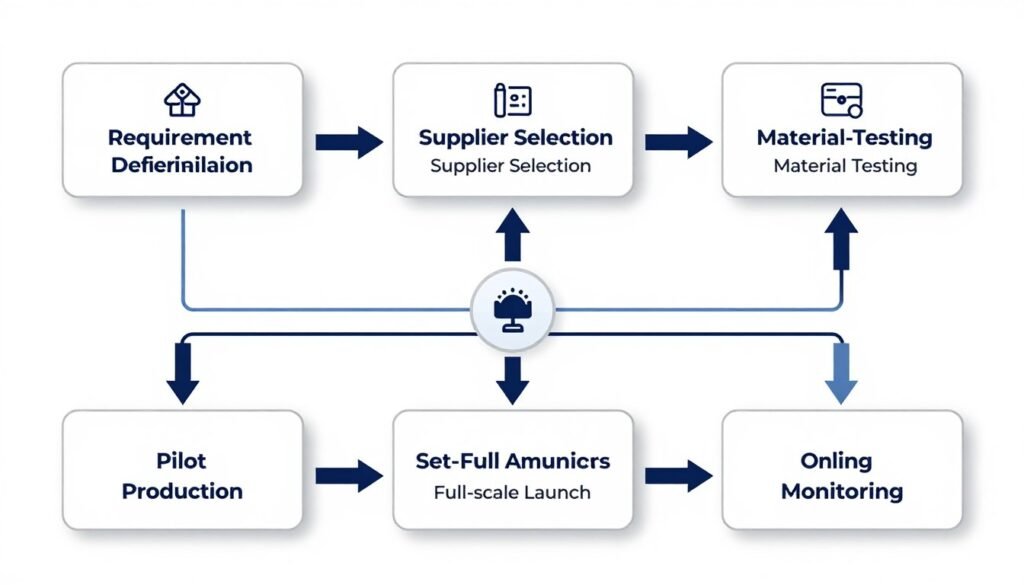
Strategic Planning and Goal Setting
Successful implementation begins with clear objectives and realistic timelines.
Define Success Criteria
Articulate specific, measurable goals for bioplastic adoption. Objectives may include carbon footprint reduction targets, renewable content percentages, waste diversion rates, or regulatory compliance achievements. Quantifiable goals enable progress tracking and success evaluation.
Balance environmental goals with business requirements including cost targets, performance standards, and timeline constraints. Unrealistic expectations lead to disappointment and abandoned initiatives. Honest assessment of tradeoffs enables sustainable long-term commitments.
Conduct Baseline Assessment
Document current material use, environmental impacts, and costs to establish baseline conditions. This assessment provides comparison points for measuring improvement and calculating return on investment.
The baseline should encompass material costs, processing costs, waste management expenses, and any regulatory compliance costs related to current materials. Complete cost accounting reveals true economics rather than focusing narrowly on material price.
Phase Implementation Appropriately
Staged rollouts reduce risk and allow learning from early implementations. Begin with applications offering clear advantages and lower technical complexity. Success in initial applications builds confidence, generates internal support, and provides lessons applicable to subsequent transitions.
Quick wins demonstrate feasibility and momentum while longer-term initiatives address more complex challenges. Balance between achievable early successes and meaningful long-term impact sustains organizational commitment.
Cross-Functional Team Engagement
Bioplastic transitions affect multiple organizational functions. Comprehensive engagement ensures coordination and addresses all relevant concerns.
Procurement and Sourcing
Procurement teams manage supplier relationships, negotiate contracts, and ensure supply reliability. Their early involvement in supplier evaluation and selection proves essential. Procurement input on pricing structures, payment terms, and logistics arrangements protects business interests.
Product Development and Engineering
Engineering teams evaluate technical feasibility, conduct property testing, and optimize product designs for new materials. Their technical expertise identifies potential issues early and develops solutions. Material substitution often requires design modifications to accommodate property differences.
Manufacturing and Operations
Production teams must process new materials successfully. Their input on processing capabilities, equipment limitations, and production schedules ensures practical implementations. Training production personnel on material handling, processing parameters, and quality checks maintains production quality.
Quality Assurance
Quality teams develop testing protocols, establish specifications, and verify product performance. Their involvement ensures that bioplastic products meet quality standards and regulatory requirements. Revised testing procedures may be necessary for new material properties.
Sustainability and Corporate Responsibility
Sustainability professionals provide environmental expertise, verify claims, and communicate results. They ensure that bioplastic adoption delivers genuine environmental benefits rather than greenwashing. Their involvement in life cycle assessment interpretation and certification verification adds credibility.
Marketing and Communications
Marketing teams communicate bioplastic adoption to customers and stakeholders. Their input ensures messaging accuracy and effectiveness. Collaboration between technical and marketing personnel prevents misleading claims while effectively conveying legitimate benefits.
Technical Implementation Process
Systematic technical development maximizes implementation success probability.
Material Selection and Qualification
Thorough material evaluation includes property testing, processing trials, and performance validation. Testing should address all relevant property requirements and potential failure modes. Accelerated aging studies predict long-term behavior and shelf life.
Material qualification documentation provides traceability and regulatory compliance evidence. Maintain records of testing results, supplier certifications, and qualification decisions for future reference and audit purposes.
Process Parameter Optimization
Bioplastics often require modified processing parameters compared to conventional plastics they replace. Systematic experimentation identifies optimal temperature profiles, pressures, and cycle times. Design of experiments methodologies efficiently explores parameter spaces to find optimal conditions.
Document optimized parameters in manufacturing specifications to ensure consistent production. Training materials and visual aids help operators maintain correct processing conditions.
Design for Material Properties
Product designs optimized for conventional plastic properties may require modification for bioplastic adoption. Wall thickness adjustments, rib designs, gate locations, and structural reinforcements may need revision to accommodate different material behavior.
Computer-aided engineering including finite element analysis predicts product performance with new materials before expensive tooling commitments. Virtual prototyping reduces development costs and accelerates time to market.
Supply Chain Integration
Integrate new materials into procurement systems, inventory management, and production scheduling. Material codes, supplier information, and ordering procedures must be established. Inventory levels should account for lead times and supply variability during initial implementations.
Regulatory Compliance and Certification
Appropriate certifications and compliance documentation prevent legal issues and enable market access.
Food Contact Compliance
Products contacting food require demonstrating safety through migration testing and regulatory submissions. European Union Regulation 1935/2004 establishes general requirements while specific measures cover plastic materials. Supplier declarations and supporting test data document compliance.
Compostability Certification
Claims regarding biodegradability or compostability require third-party certification to relevant standards. EN 13432 for industrial composting or home composting standards provide credibility. Display certification marks on packaging helps consumers identify genuinely compostable products.
Environmental Claims Substantiation
Marketing claims about environmental benefits must be truthful, accurate, and substantiated with evidence. Life cycle assessment data, carbon footprint calculations, and third-party certifications provide substantiation. Avoid vague terms including “eco-friendly” or “green” without specific supporting facts.
Stakeholder Communication and Education
Effective communication builds support and enables proper material handling throughout the value chain.
Internal Communication
Educate employees about bioplastic initiatives, their importance, and individual roles in successful implementation. Production training ensures proper material handling and processing. Sales team education enables accurate customer communication about material changes.
Customer Communication
Proactively inform customers about material transitions. Explain benefits, address potential concerns, and provide proper disposal guidance. Transparency builds trust and manages expectations regarding any property differences.
Consumer Education
End consumer education about bioplastic products and appropriate disposal prevents misunderstandings. Clear packaging labels, website information, and point-of-sale materials all contribute to consumer understanding. Simple, actionable disposal instructions increase the likelihood of appropriate waste sorting.
Continuous Improvement and Monitoring
Ongoing evaluation ensures sustained success and identifies improvement opportunities.
Performance Monitoring
Track key performance indicators including production efficiency, quality metrics, cost trends, and environmental impact measurements. Regular reporting maintains visibility and enables data-driven decision making.
Issue Resolution
Establish clear procedures for addressing problems that arise. Quality issues, supply disruptions, or customer complaints require prompt attention and systematic resolution. Root cause analysis prevents recurrence of similar problems.
Technology Tracking
Monitor developments in bioplastic materials, processing technologies, and industry best practices. The rapidly evolving landscape creates opportunities for improved materials and methods. Staying informed enables continuous improvement and competitive advantage maintenance.
Implementation Success Factors
- Clear objectives with measurable targets
- Comprehensive baseline assessment
- Cross-functional team engagement
- Systematic technical development process
- Appropriate phased rollout strategy
- Strong supplier partnerships
- Thorough testing and qualification
- Proper regulatory compliance
- Effective stakeholder communication
- Ongoing monitoring and improvement
Common Implementation Pitfalls
- Unrealistic expectations or timelines
- Insufficient technical testing
- Poor supplier selection or management
- Inadequate process optimization
- Lack of cross-functional coordination
- Missing regulatory compliance
- Weak change management
- Unclear communication to stakeholders
- Failure to plan for scaling
- Neglecting continuous improvement
Real-World Applications: Bioplastic Success Stories
Examining practical implementations provides valuable insights into successful bioplastic adoption strategies and outcomes achieved across diverse industries.
Food Packaging Industry Transformation
A major European food retailer transitioned fresh produce packaging to PLA containers and films. The initiative addressed customer demand for sustainable packaging while reducing the retailer’s environmental footprint.
Implementation Approach
The retailer began with a pilot program covering select produce items in limited geographic markets. This phased approach allowed testing of material performance, consumer acceptance, and waste management system compatibility before broader rollout.
Collaboration with composting facility operators ensured local infrastructure could process the new packaging. Consumer education campaigns explained proper disposal methods through in-store signage, package labeling, and website resources.
Results and Outcomes
The transition achieved a 60 percent reduction in packaging carbon footprint compared to conventional plastic alternatives. Consumer response proved overwhelmingly positive, with sustainability-focused shoppers specifically seeking stores offering compostable packaging.
Challenges included higher material costs and initial processing difficulties requiring equipment adjustments. However, brand value enhancement and customer loyalty gains justified the premium. Within two years, the program expanded to national scale across all store locations.
Food Service Operation Sustainability Initiative
A university cafeteria system serving 15,000 daily meals replaced all disposable serviceware with compostable bioplastic alternatives. The initiative aligned with institutional sustainability commitments and student environmental activism.
System Integration
Success required coordinating material changes with waste management infrastructure. The university installed commercial composting systems to process food waste and compostable serviceware together. Student education programs explained the new disposal system and prevented contamination.
Menu adjustments avoided hot items that exceeded bioplastic temperature limitations. Cold salad bars, sandwich stations, and room-temperature foods worked well with PLA containers. Hot items transitioned to china and silverware with dishwashing infrastructure.
Impact Achievement
Annual waste diversion increased by 45 percent as food waste and serviceware entered composting together. The resulting compost supported campus landscaping, closing the nutrient loop. Greenhouse gas emissions from waste management decreased substantially through reduced landfilling and methane avoidance.
While costs increased approximately 25 percent for disposables, total system costs remained neutral when accounting for reduced trash hauling and avoided landfill fees. Environmental benefits justified the transition independent of cost considerations.
Consumer Product Packaging Innovation
A personal care brand reformulated product packaging using bio-based PET bottles with 100 percent renewable content. The initiative targeted environmentally conscious consumers while differentiating the brand in a competitive market.
Material Selection Rationale
Bio-PET provided identical properties to conventional PET, enabling drop-in replacement without reformulation or equipment changes. Compatibility with existing PET recycling infrastructure avoided end-of-life complications while still offering renewable content advantages.
Supply chain evaluation identified reliable bio-PET suppliers capable of meeting volume requirements and quality standards. Material certification and food contact compliance documentation ensured regulatory requirements were met for personal care applications.
Market Response
Consumer research indicated willingness to pay premium prices for products in sustainable packaging. The brand successfully commanded 15 percent price increases while maintaining sales volumes. Environmental messaging resonated particularly strongly with millennial and Gen-Z consumers.
Competitor responses included similar material transitions and increased sustainability claims across the category. First-mover advantage established brand positioning as the environmental leader, generating lasting brand equity.
Agricultural Sector Operational Improvement
Strawberry producers adopted biodegradable mulch films to replace conventional polyethylene. The transition eliminated end-of-season plastic collection labor while improving soil conditions through organic matter incorporation.
Technical Requirements
Mulch films required sufficient strength for installation, UV resistance for outdoor exposure lasting several months, and reliable biodegradation after soil incorporation. Material selection focused on starch-PBAT blends meeting these requirements.
Field trials validated material performance across multiple growing seasons. The films maintained integrity throughout crop production while degrading within months of tillage. Soil analysis confirmed no harmful residue accumulation.
Economic and Environmental Benefits
Labor savings from eliminated plastic removal offset higher material costs. Environmental benefits included avoided plastic waste, reduced soil contamination, and improved soil organic matter. Long-term soil health improvements provided additional value through enhanced water retention and fertility.
Regional adoption expanded as neighboring farms observed benefits. Industry associations promoted biodegradable mulch through education programs and cost-share incentives. Market transformation within the specialty crop sector demonstrated scalable sustainability improvements.
Automotive Industry Lightweighting
A European automotive manufacturer incorporated natural fiber-reinforced bioplastics in door panels and interior trim components. The initiative contributed to vehicle lightweighting for fuel efficiency while increasing renewable content.
Material Development
Collaborative development with bioplastic suppliers produced materials meeting automotive performance specifications. Natural fibers including hemp and flax reinforced PLA matrices, creating composites with strength-to-weight ratios suitable for structural applications.
Extensive testing validated materials under automotive environmental conditions including temperature extremes, humidity exposure, and UV radiation. Durability testing ensured components would survive vehicle lifetime requirements.
Integration Results
Component weight reductions of 20 percent compared to conventional plastic alternatives contributed to overall vehicle weight savings and improved fuel economy. Renewable content increased to 25 percent of interior plastics, supporting corporate sustainability targets.
Manufacturing processes required modifications for natural fiber composites, but existing injection molding equipment proved adaptable. Training programs educated production personnel on material handling and processing parameter requirements.
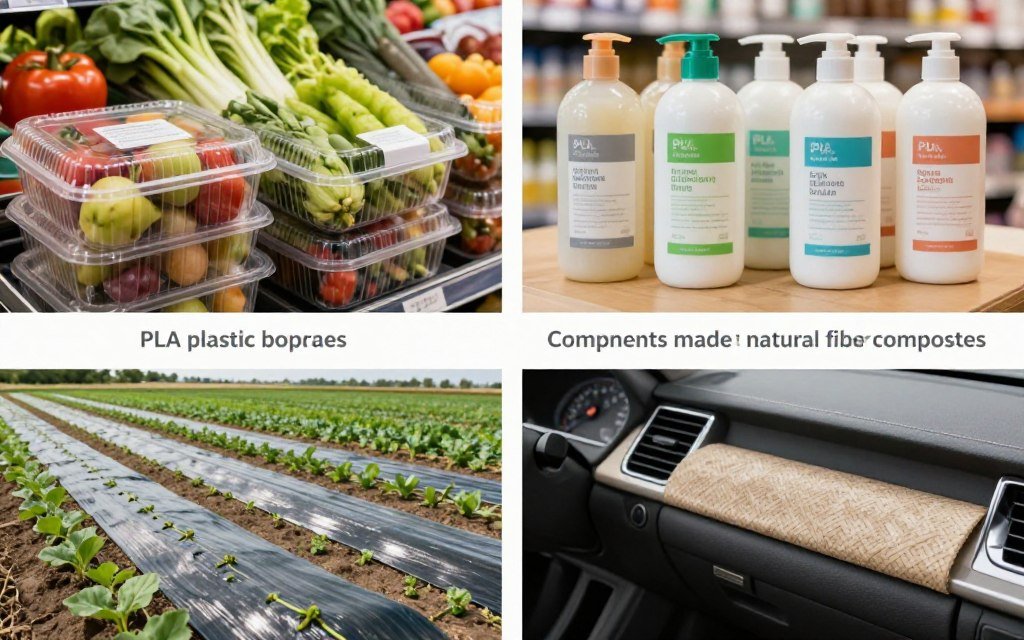
Frequently Asked Questions About Bioplastics
Are all bioplastics biodegradable?
No, not all bioplastics are biodegradable. The term “bioplastic” encompasses both bio-based plastics derived from renewable resources and biodegradable plastics that break down through biological processes. Some bioplastics are both bio-based and biodegradable, such as PLA and PHA. Others are bio-based but not biodegradable, including bio-PE and bio-PET, which possess the same chemical structure as their petroleum-based counterparts.
The distinction matters for end-of-life planning. Biodegradable bioplastics can enter composting or anaerobic digestion when properly certified. Non-biodegradable bio-based plastics should enter recycling streams appropriate for their polymer type. Understanding this distinction prevents disposal mistakes and ensures materials reach appropriate end-of-life pathways.
How long does it take for bioplastics to decompose?
Decomposition timeframes vary dramatically based on material type and environmental conditions. Certified compostable bioplastics degrade within 6 months under industrial composting conditions maintaining 55-60°C temperatures with controlled moisture and oxygen. These same materials may take years to degrade in cooler home composting systems or natural environments.
Materials like PHA demonstrate broader biodegradability, breaking down in diverse environments including soil and marine settings over timeframes ranging from months to a few years depending on conditions. Non-biodegradable bio-based plastics like bio-PE persist indefinitely similar to conventional plastics, though they offer renewable sourcing benefits.
The key takeaway is that “biodegradable” doesn’t mean instant disappearance in any environment. Proper waste management infrastructure proves essential for realizing biodegradability benefits.
Can bioplastics be recycled with conventional plastics?
The answer depends on the specific bioplastic type. Non-biodegradable bio-based plastics with identical chemical structures to conventional plastics can be recycled together. Bio-PE recycles with conventional PE, and bio-PET enters standard PET recycling streams without issues.
However, biodegradable bioplastics including PLA should not mix with conventional plastic recycling. These materials possess different melting points and chemical properties that compromise recycled plastic quality when mixed. Contamination of recycling streams with biodegradable materials creates quality problems and reduces recycled material value.
Clear labeling and consumer education prove essential. Confusion about appropriate disposal undermines both recycling effectiveness and bioplastic environmental benefits. Some regions maintain separate collection for compostable plastics to prevent recycling contamination.
Are bioplastics more expensive than conventional plastics?
Currently, most bioplastics cost more than conventional plastic alternatives on a per-kilogram basis. Price premiums typically range from 20 to 100 percent depending on material type and market conditions. PLA pricing approaches conventional plastics in some applications as production capacity expands. Specialized materials including PHA command higher premiums reflecting production complexity.
However, total cost analysis should extend beyond material price. Consider end-of-life disposal costs, regulatory compliance expenses, and brand value benefits. Some bioplastics enable waste management savings or command premium product pricing that offset material cost increases.
The price gap continues narrowing as production scales increase and manufacturing processes improve. Some industry projections suggest certain bioplastics will achieve price parity with conventional alternatives within the next decade.
Do bioplastics perform as well as conventional plastics?
Performance depends entirely on the specific application requirements and material selection. Some bioplastics match or exceed conventional plastic properties for certain uses. PLA provides excellent clarity, printability, and grease resistance for cold food packaging. Bio-PE offers identical properties to conventional PE since they share chemical structures.
However, limitations exist for demanding applications. Many bioplastics exhibit lower heat resistance than engineering plastics. PLA softens around 60°C, restricting hot-fill applications. Moisture sensitivity affects some materials including starch-based plastics.
Successful implementation requires matching material properties to application requirements. Bioplastics work excellently when properly selected for suitable applications. Forcing materials into inappropriate uses leads to disappointing performance regardless of environmental benefits.
What happens to bioplastics in landfills?
Biodegradable bioplastics generally don’t degrade effectively in landfills despite their biodegradability designation. Modern landfills create anaerobic conditions that slow or prevent aerobic decomposition that many biodegradable plastics require. Limited oxygen, moisture, and microbial activity mean materials persist much longer than in composting systems.
If biodegradable plastics do degrade in landfills, they may produce methane, a potent greenhouse gas. Facilities with gas collection systems can capture and utilize this methane, but many landfills lack such infrastructure. The resulting emissions potentially offset carbon benefits from renewable sourcing.
Non-biodegradable bio-based plastics behave identically to conventional plastics in landfills, persisting indefinitely without degradation. While landfill disposal wastes the potential benefits of biodegradable materials, bio-based plastics still offer renewable sourcing advantages over fossil-based alternatives regardless of disposal method.
How can I tell if a product is made from bioplastic?
Look for specific labeling and certification marks that indicate bioplastic content. Products made from bio-based materials may carry labels indicating renewable content percentages or bio-based certification marks. The USDA BioPreferred label in North America or similar European certifications verify bio-based content.
For biodegradable or compostable plastics, certification marks from recognized bodies provide reliable identification. The European “Seedling” logo indicates EN 13432 certification for industrial compostability. DIN CERTCO, TÜV Austria, and other certification bodies issue marks for compostable products. Home compostable products carry different designations.
Be cautious of vague terms including “eco-friendly” or “green” without supporting certification. These marketing terms lack specific meaning and may represent greenwashing. Third-party certifications provide objective verification of environmental claims.
Are bioplastics safe for food contact?
Many bioplastics are approved for food contact applications and meet relevant safety regulations. PLA, PHA, and bio-based PE all receive food contact clearances in Europe and other markets when properly formulated. These materials undergo migration testing to ensure harmful substances don’t transfer to food.
Safety depends on proper material formulation and processing. Additives, colorants, and processing aids must be approved for food contact use. Suppliers should provide declarations of compliance and supporting migration test data demonstrating regulatory conformance.
European Union regulations including Regulation 1935/2004 and specific plastic measures govern food contact materials. Bioplastics must meet the same safety standards as conventional plastics. Working with reputable suppliers who understand food contact requirements ensures compliant materials.
Taking the Next Steps Toward Sustainable Bioplastic Solutions
The transition to bioplastics represents a meaningful step toward sustainable materials management and reduced environmental impact. This comprehensive guide has explored the full spectrum of bioplastic types, properties, applications, and implementation considerations.
Bioplastics offer genuine environmental advantages through renewable sourcing, reduced carbon footprints, and in the case of biodegradable types, alternatives to persistent plastic pollution. However, successful adoption requires realistic expectations, careful material selection, and appropriate end-of-life management.
The diversity within the bioplastics category means no single material suits all applications. PLA excels in cold food packaging. PHA provides biodegradability in diverse environments. Bio-PE offers drop-in compatibility with existing systems. Understanding these distinctions guides appropriate material choices.
Implementation success depends on systematic approaches encompassing technical evaluation, supplier selection, process optimization, and stakeholder communication. Organizations that invest in thorough planning and cross-functional collaboration achieve better outcomes than those pursuing quick transitions without adequate preparation.
The bioplastics industry continues evolving rapidly. Material properties improve, production costs decrease, and new applications emerge continuously. Staying informed about developments ensures access to the latest innovations and best practices.
Environmental benefits require complete system thinking. Renewable sourcing must be sustainable. Biodegradable materials need appropriate waste infrastructure. Carbon footprint reductions require accounting for full lifecycles. Holistic assessment prevents unintended consequences and greenwashing.
Germany and the European Union provide favorable conditions for bioplastic adoption through advanced waste management infrastructure, progressive environmental regulations, and consumer sustainability consciousness. Organizations operating in these markets are well-positioned to lead sustainable materials transitions.
The journey toward sustainable packaging and products represents ongoing commitment rather than one-time projects. Continuous improvement, technology tracking, and willingness to adapt maintain progress and competitive advantage. Organizations that embrace this journey contribute to environmental protection while building brand value and meeting evolving customer expectations.
Your bioplastics transition need not be undertaken alone. Expert guidance, reliable suppliers, and proven implementation strategies accelerate success while avoiding costly mistakes. The path to sustainability becomes clearer with experienced partners supporting your journey.
Start Your Bioplastics Journey With Expert Support
Our comprehensive consultation services guide you through every step of bioplastic adoption from initial material selection through full-scale implementation. We leverage deep industry knowledge, supplier relationships, and technical expertise to ensure your transition achieves both environmental and business objectives.
Our Services Include:
- Material selection and application assessment
- Supplier evaluation and recommendation
- Technical testing and qualification support
- Process optimization consultation
- Regulatory compliance guidance
- Life cycle assessment and carbon footprint analysis
- Implementation planning and project management
- Training and education programs
Why Choose Us:
- Over 15 years bioplastics industry experience
- German-based with European market expertise
- Extensive supplier network and relationships
- Technical backgrounds in materials science and chemical engineering
- Proven track record across diverse industries
- Independent advice without supplier conflicts
- Ongoing support beyond initial implementation
- Commitment to genuine sustainability
Additional Resources
Continue your bioplastics education with these valuable resources:
- Download our comprehensive Bioplastics Material Selection Guide
- Access our Supplier Evaluation Checklist Template
- Subscribe to our monthly Sustainable Materials Newsletter
- Join our upcoming webinar: “Bioplastics Implementation Best Practices”
- Read our case study library featuring successful implementations
Visit our resource center or contact us to access these materials and stay informed about the latest developments in sustainable packaging and bioplastics innovation.