Well completions and hydraulic fracturing require temporary fluid isolation for effective zone isolation and fluid redirection. Conventional materials such as composite metals, non-degradable polymers, and wax-based plugging agents introduce a critical operational drawback: downhole residue.
When temporary barriers fail to degrade fully or leave insoluble debris downhole, operators run coiled tubing for drill-out interventions. These non-productive time (NPT) operations increase overall completion costs, elevate HSE risks, and cause skin damage that restricts hydrocarbon production.
Completion teams specify Polyglycolic Acid (PGA) to prevent these operational constraints. As explored in our primary material guide on Polyglycolic Acid (PGA) Applications in Oil and Gas: Temporary Plugging Agents and More, PGA is an aliphatic polyester engineered for 100% complete degradation downhole—combining high mechanical strength during fracturing with complete, residue-free dissolution afterward.
Traditional Plugging Agents
- Insoluble Residue: Leaves metallic fragments, waxes, or non-degraded plastic remnants in perf clusters.
- Costly NPT: Requires coiled tubing (CT) drill-out runs, adding days of non-productive time.
- Formation Damage: Causes severe skin damage and blocks natural pore throat permeability.
PGA Engineered Polymer
- 100% Complete Degradation: Cleaves into water-soluble monomeric glycolic acid without solid residue.
- Zero CT Interventions: Eliminates drill-out trips, lowering operational expenditure & HSE risk.
- Preserves Permeability: Maintains full proppant pack conductivity and unrestricted hydrocarbon flow.
Hydrolysis Kinetics: How PGA Breaks Down Downhole
Unlike materials that depend on physical melting or mechanical abrasion for removal, PGA degrades through a two-stage chemical reaction called hydrolysis.
Two-Stage Chemical Reaction Mechanism
1. The Chemical Cleavage Process
PGA features a high concentration of ester bonds within its aliphatic backbone. When exposed to water at downhole temperatures, moisture penetrates the solid polymer matrix and cleaves these ester bonds.
This bulk degradation breaks long polymer chains into water-soluble oligomers, eventually converting the material into monomeric glycolic acid (C₂H₄O₃). In operational terms, the plug maintains structural integrity and differential pressure resistance (> 5,000 psi) throughout the pumping window, after which its mechanical strength rapidly declines, allowing the degraded material to flow back easily.
2. Primary Downhole Variables Controlling Degradation
The rate of PGA hydrolysis depends on specific bottomhole environmental conditions:
Temperature acts as the primary catalyst. Thermal energy accelerates moisture diffusion and ester bond cleavage, shortening dissolution timelines.
Water chemistry plays a supporting role. Highly acidic environments (e.g., acid-fracturing fluids) or alkaline conditions accelerate cleavage relative to neutral water.
PGA degrades reliably across standard completion brines, fresh water, and produced water without performance inhibition from high salt concentrations.
To assist in pumping schedule design, the matrix below outlines typical degradation timelines across varying bottomhole temperatures:
| Bottomhole Temp (BHT) | Initial Isolation Window | Structural Strength Decay | 100% Complete Dissolution |
|---|---|---|---|
| 50°C - 80°C (122°F - 176°F) | 12 – 24 Hours | 36 – 48 Hours | 5 – 7 Days |
| 80°C - 120°C (176°F - 248°F) | 4 – 8 Hours | 12 – 18 Hours | 24 – 48 Hours |
| 120°C - 150°C+ (248°F - 302°F+) | 1 – 3 Hours | 4 – 6 Hours | 12 – 18 Hours |
Interactive Degradation Curve Simulator
Visualize structural strength decay vs time based on target temperature.
Engineering Custom Degradation Timelines & Environmental Safety
Because well stimulation operations range from brief diversion treatments to multi-day zonal isolations, PGA degradation profiles are engineered to match specific pumping schedules.
Controlling the Dissolution Timeline
As detailed in our technical overview on What is Polyglycolic Acid (PGA) in Frac Diverting? Applications & Benefits, temporary diversion requires rapid strength retention followed by swift cleanup. Manufacturers tune PGA degradation kinetics through resin formulation:
-
Molecular Weight & Crystallinity Control:
Adjusting polymer molecular weight and crystalline density controls the rate of water ingress, extending structural lifecycle for deep, high-temperature wells.
-
Hydrolytic Modifiers & Additives:
Incorporating stabilizers delays ester cleavage in ultra-high-temperature (>150°C) environments, while hydrolytic accelerators ensure complete dissolution in low-temperature (<50°C) shallow formations.
Reservoir & Environmental Protection
PGA protects the formation matrix during and after treatment. The primary byproduct of hydrolysis, glycolic acid, is an organic acid that dissolves in flowback water and decomposes into CO₂ and H₂O.
Conclusion
Polyglycolic Acid (PGA) addresses the performance trade-offs of traditional downhole plugging agents by combining mechanical strength during treatment with predictable degradation afterward. Eliminating coiled tubing interventions prevents formation damage and reduces completion costs.
Technical Specifications & Custom PGA Formulations
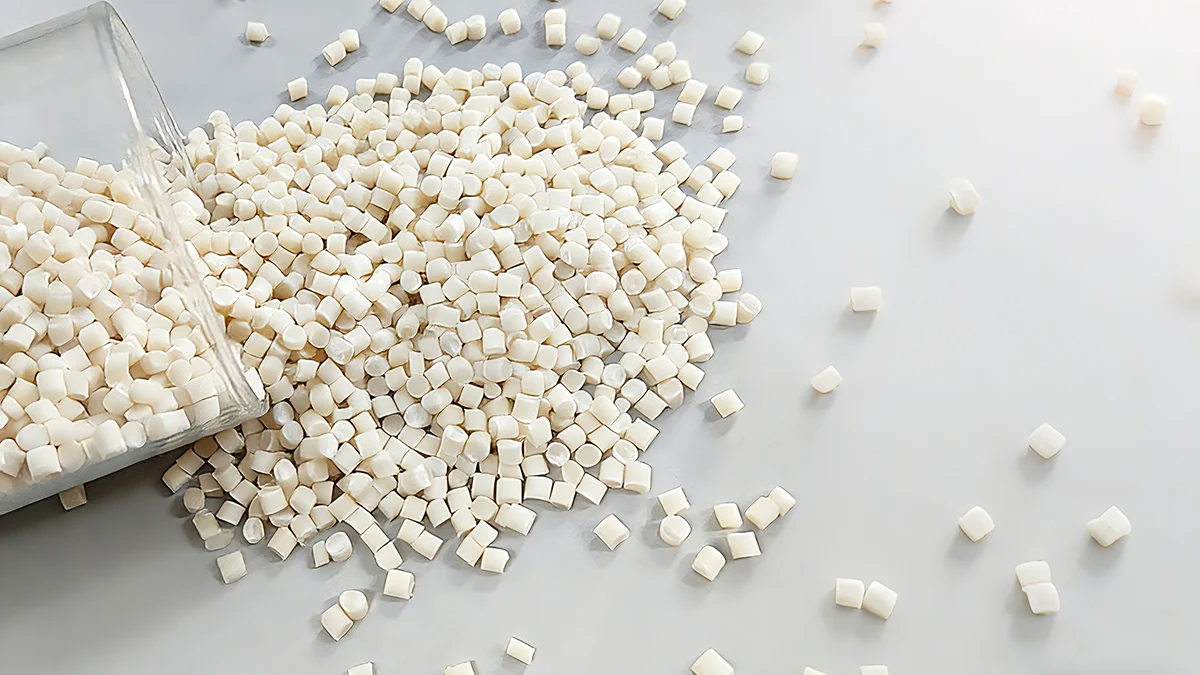
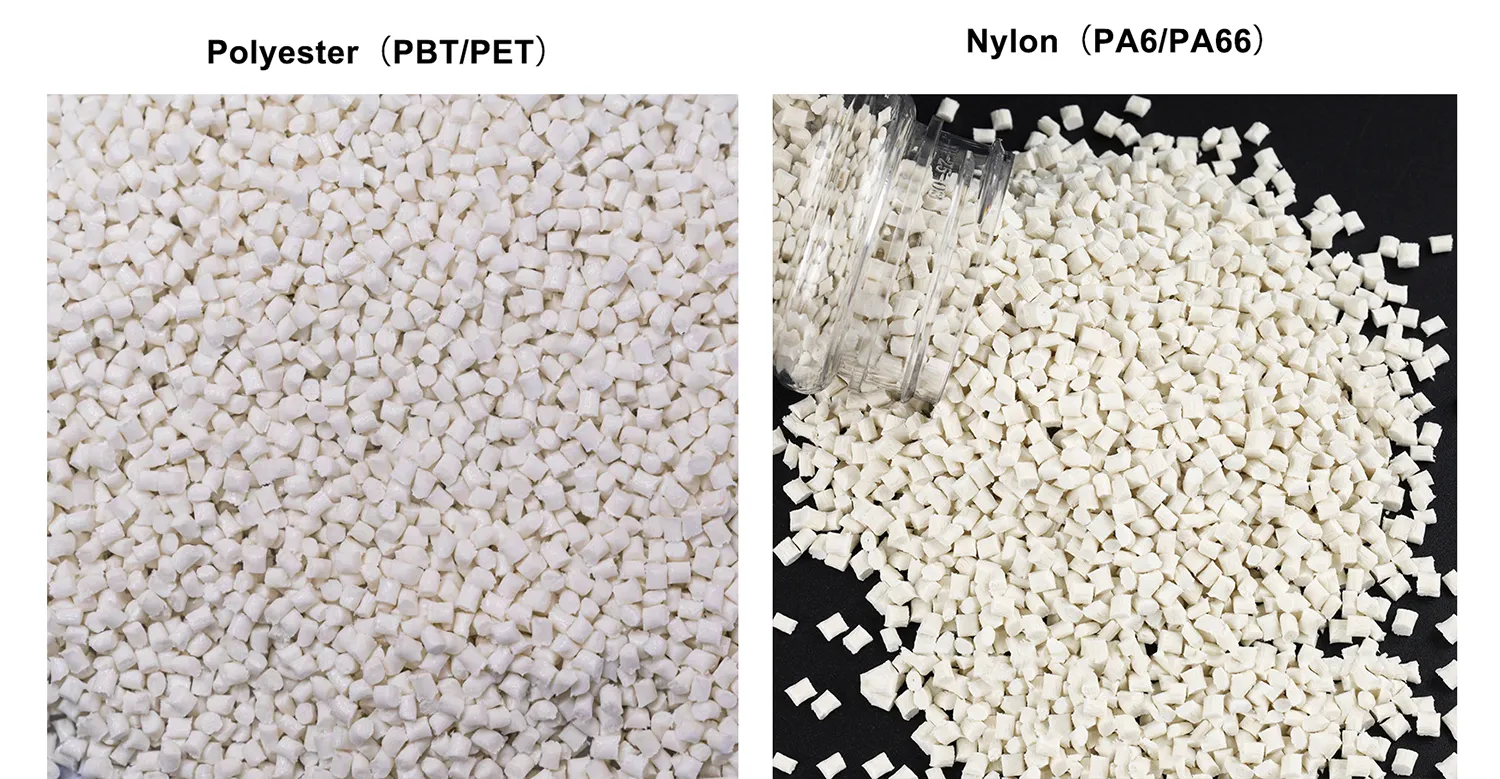
Downhole isolation requires materials matched to the reservoir's thermal and chemical profile. Available PGA temporary plugging agents include precision-sized PGA granules, high-tensile fibers, solid frac balls, and custom-molded plugs designed for bottomhole temperatures ranging from 40°C to 180°C.
Precision-sized diverting agent for far-field fracture isolation.
Engineered for proppant transport enhancement and leak-off control.
High differential pressure isolation for ball-drop sleeve systems.
BHT rated from 40°C to 180°C for customized tool completion.
• Tailored Degradation Kinetics: Formulated to match specific pumping schedules and BHT profiles.
• Custom Mesh & Particle Size Distributions (PSD): Engineered for specific perforation geometries and fracture widths.
• Technical Field Support: Technical data sheets, degradation rate charts, and samples are available upon request via our Contact Uspage or by emailing us.
PGA Technical Data Summary
Density: 1.50 - 1.55 g/cm³
Tensile Strength: > 110 MPa
Flexural Modulus: 6.0 - 7.5 GPa
Melting Point: 220°C - 225°C
Degradation Mechanism: Bulk Hydrolysis via Ester Cleavage
Residue: < 0.1% Insoluble Content