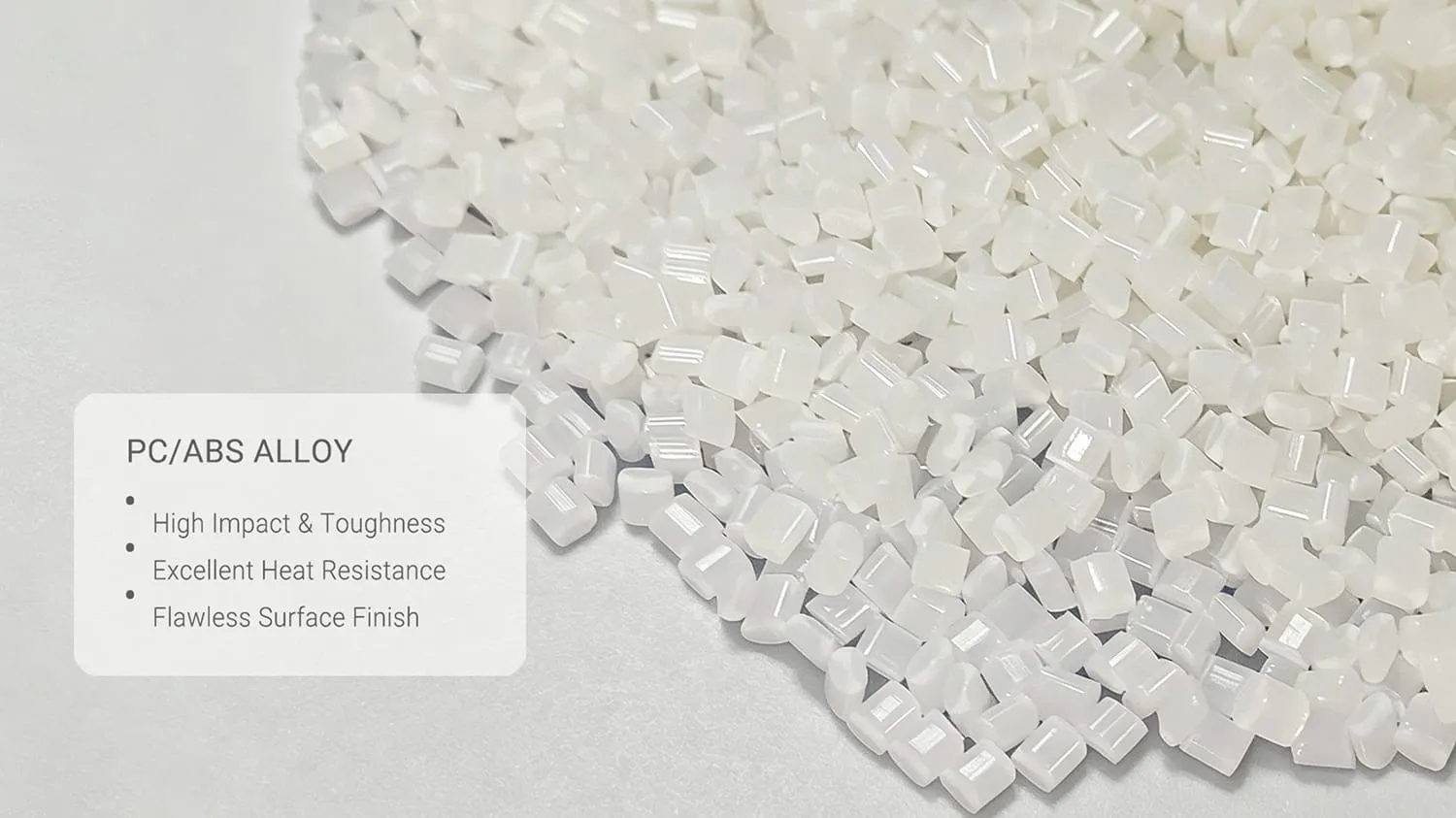
Selecting the right engineering plastic is critical for product performance. PC/ABS Alloy, a blend of polycarbonate and ABS resin, combines strength, toughness, and excellent processability, making it one of the most versatile materials in modern manufacturing. Engineers must balance mechanical performance, durability, and cost efficiency when choosing materials, especially given the wide variety of plastic alloys available.
This comprehensive guide covers PC ABS Alloy’s composition, key properties, and real-world applications. It provides technical decision-makers with the insights needed to determine whether this material suits their specific project requirements.
What is PC/ABS Alloy? Composition & Formulation
This engineering polymer, commonly referred to as PC ABS Material, is a blend of polycarbonate (PC) and acrylonitrile butadiene styrene (ABS). It was specifically engineered to combine the benefits of both PC and ABS, offering a balanced solution for a wide range of industrial applications.
Polycarbonate (PC) Contribution
Polycarbonate provides exceptional mechanical strength and superior heat resistance. These properties make the material suitable for components that must withstand high loads and elevated temperatures.
ABS Resin Contribution
ABS resin contributes excellent processability and cost-effectiveness. It enables efficient molding, consistent quality, and reduced production costs, making it an economical choice for high-volume manufacturing.
Composition and Key Additives
By selecting the optimal ratio of polycarbonate to ABS resin, technical buyers can source grades precisely matched to their required mechanical performance, heat deflection temperature, and dimensional stability. A wide range of specialized functional additives is available across global portfolios to meet distinct application demands.
Polycarbonate (PC): 50% – 80%
Strength & Heat Resistance
ABS Resin: 20% – 50%
Processability & Cost Efficiency
Improve fire resistance and reduce the risk of ignition in electrical or industrial applications. Halogen-free variants comply fully with RoHS regulations.
Protect the polymer matrix from UV exposure and thermal degradation, ensuring long-term dimensional stability and outdoor service life.
Enhance flow characteristics during molding, enabling smoother processing, shorter cycle times, and consistent finished part quality.
Manufacturing and Applications
PC ABS Material is produced through melt blending using twin-screw extruders, typically operating at 220–280°C. The blended material is then formed into pellets, ready for subsequent injection molding.
Melt Blending via Twin-Screw Extruders ➔Operated at 220–280°C ➔Pellet Formation ➔Injection Molding
Key Properties and Material Advantages of PC/ABS
Understanding the mechanical characteristics helps engineers make informed material selections. This PC/ABS polymer demonstrates excellent performance across various testing parameters.The material properties position it as a premium engineering plastic for demanding applications.
Maintains excellent toughness even at low temperatures, making it suitable for demanding structural components.
Heat deflection temperature (HDT) up to 110°C enables continuous use in moderately heated engineering environments.
Good melt flow, low mold shrinkage, and high surface gloss facilitate precise injection molding and post-processing.
Property Comparison Charts
Notched Izod Impact Strength (J/m)
Heat Deflection Temperature (°C)
| Property | Pure PC | Pure ABS | PC/ABS Alloy | Test Method |
|---|---|---|---|---|
| Notched Izod Impact (J/m) | 600-800 | 200-300 | 400-800 | ISO 180 |
| Tensile Strength (MPa) | 60-70 | 35-45 | 40-60 | ISO 527 |
| Flexural Modulus (MPa) | 2400-2600 | 1800-2000 | 2000-2500 | ISO 178 |
| Heat Deflection Temp (°C) | 135-140 | 85-95 | 100-115 | ISO 75 |
Processing & Surface Advantages
- Predictable mold shrinkage of 0.5–0.7% ensures dimensional reliability.
- Shorter injection molding cycle times compared to pure PC improve production efficiency.
- Thin-wall molding is achievable under optimized conditions, allowing lightweight part design.
- High surface quality supports direct use in visible components without additional finishing.
Additional Technical Properties
- Chemical Resistance: Tolerates dilute acids, bases, alcohols, oils, and greases.
* Avoid strong solvents like acetone. - Electrical Insulation: Dielectric strength >20 kV/mm, perfectly matching the requirements for durable electronics housings.
These well-rounded attributes make PC ABS Material a highly versatile, impact-resistant engineering plastic, widely used in automotive interiors, consumer electronics, and other robust structural components.
📊 Cross-Material Decision Matrix
While PC/ABS balances toughness and flow, certain applications may benefit more from the absolute heat resistance of pure Polycarbonate or the cost advantage of pure ABS.
For a deep-dive, property-by-property breakdown to verify your base polymer choice, see our detailed engineering analysis: PC/ABS vs ABS vs PC: Which Engineering Plastic Should You Choose? ↗
Need Help Selecting the Right PC/ABS Grade?
We offer secure supply and spot inventory of top global brands including Covestro, Chimei, and LG Chem.
- Looking for alternatives? If standard brand options don’t meet your budget or performance, we cross-reference and recommend more tailored, cost-effective alternatives.
- Need technical documentation? Get certified Technical Data Sheets (TDS) and immediate material optimization support.
Common Classifications and Modified Grades of PC ABS Material
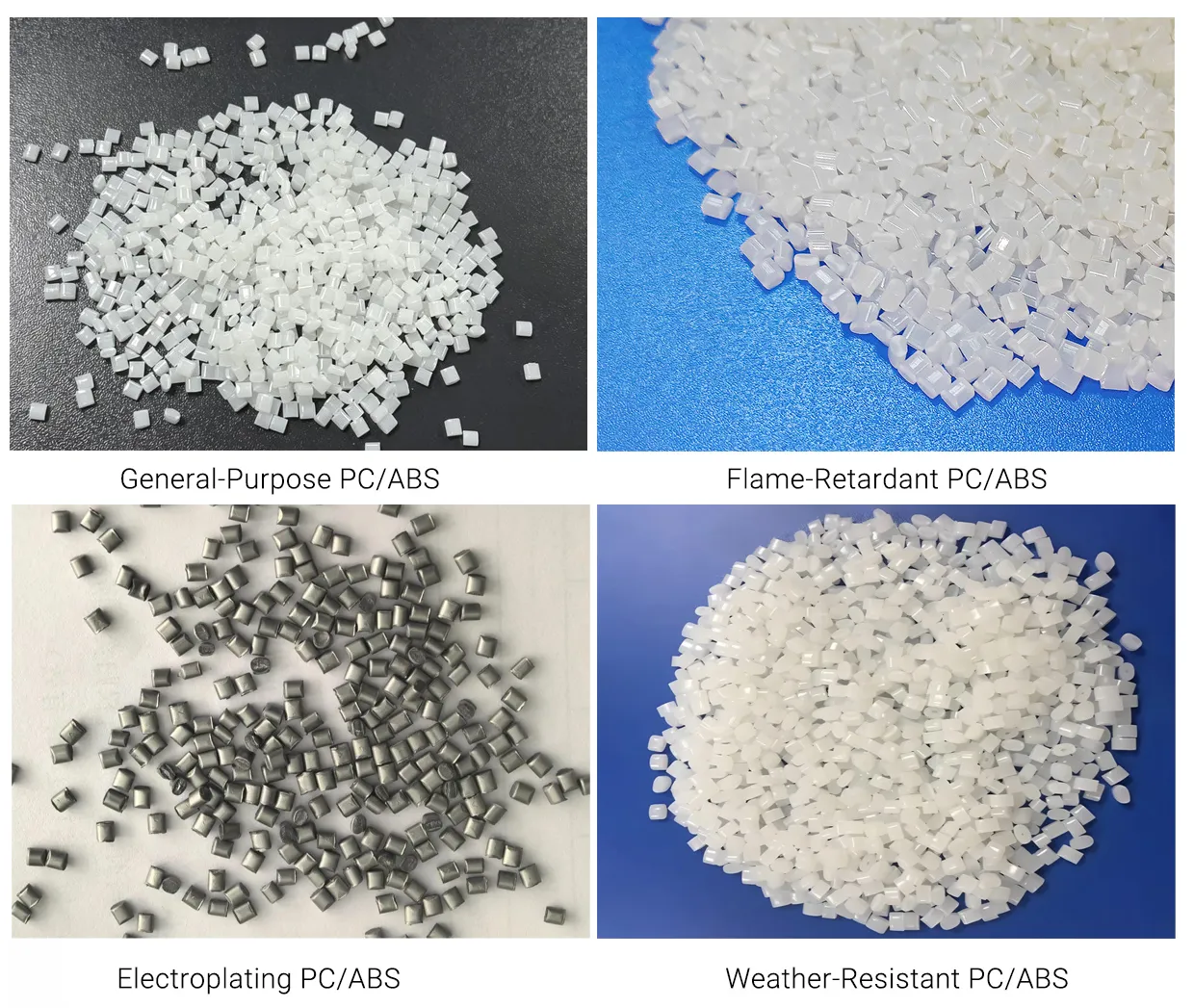
The market for this engineering plastic includes numerous formulations designed to meet diverse application needs. A broad spectrum of modified grades is globally available to address specific performance, environmental, or aesthetic requirements. Understanding these classifications enables engineers to navigate available options and select the ideal PC ABS portfolio for their products
General-Purpose PC/ABS
Offers a balanced combination of rigidity and flow, making it ideal for standard housings and consumer products. These grades typically contain 50-60% polycarbonate, providing good impact resistance and thermal stability for everyday applications. The wide processing window allows flexible injection molding conditions and ensures broad availability.
Flame-Retardant PC/ABS
Essential for electrical, electronic, and renewable energy applications. Halogen-free variants meet strict UL94 V-0 standards and comply fully with RoHS regulations, drastically reducing smoke and toxicity during combustion. Halogenated options remain available as cost-effective solutions with proven historical electrical performance.
Electroplating PC/ABS
Formulated to deliver excellent surface adhesion for metallic finishes. These highly specialized engineering materials are perfectly optimized for decorative automotive or consumer components and electroless metal deposition, enabling flawless, premium high-quality finishes without requiring secondary painting processes.
Weather-Resistant PC/ABS
Contains specialized, robust UV stabilizers designed to minimize photo-degradation and significantly extend the dependable service life of outdoor products. These specialized grades are universally specified in automotive exterior trim parts, outdoor localized electronics, and devices exposed to direct sunlight.
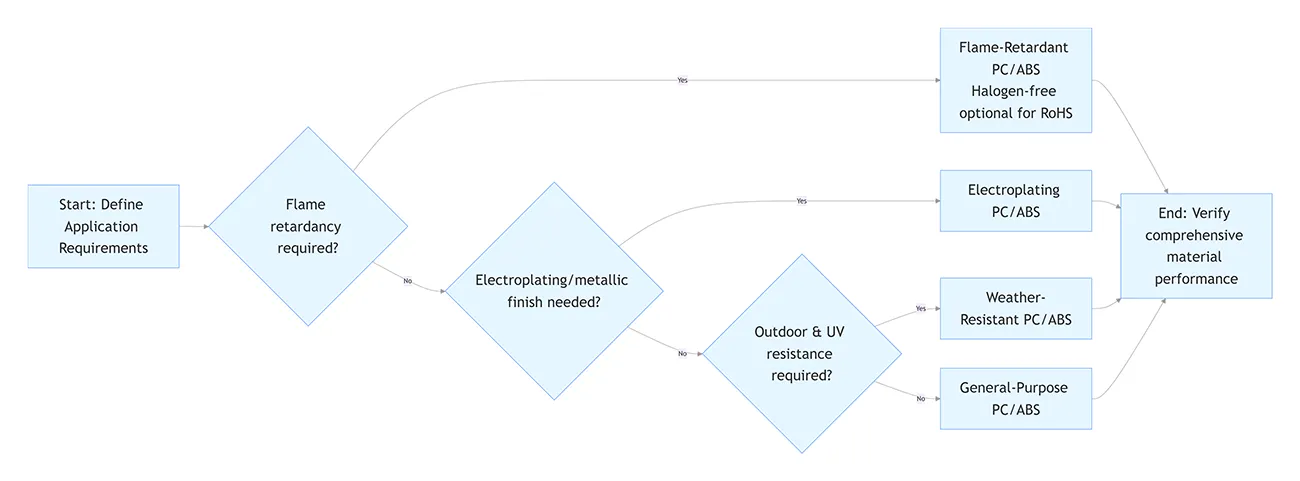
Material Selection Considerations
Choosing the right PC ABS Material grade requires evaluating both engineering performance and commercial factors:
- Thermal & Mechanical Performance: Assess the operating temperature range and expected continuous mechanical loads.
- Environmental Resistance: Consider chemical tolerance, outdoor UV exposure, and flame-retardancy requirements.
- Aesthetic Expectations: Define surface finish needs, color stability, and compatibility with secondary painting or electroplating processes.
- Manufacturing Capability: Review processing flow characteristics, cooling cycle times, and mold temperature control.
- Cost & Compliance: Factor in total cost targets, supply chain reliability, and adherence to regional regulations such as RoHS and UL.
Typical Applications of PC/ABS
Diverse industries rely on PC ABS Material due to its balance of strength, heat resistance, and processability. Applications range from automotive interiors to consumer electronics, illustrating its broad capabilities.
🚗 Industry-Specific Engineering Standards
Different segments demand distinct compliance tracks. While automotive cabin parts focus on FMVSS 302 flammability and thermal cycling, thin-wall consumer electronics and EV battery systems prioritize UL94 V-0 ratings, CTI tracking index, and metallization readiness.
For a comprehensive cross-industry breakdown of performance metrics and engineering limits within these core sectors, see our dedicated guide: PC/ABS Applications in Automotive, Electronics, and Electric Vehicles ↗
Automotive Industry Applications
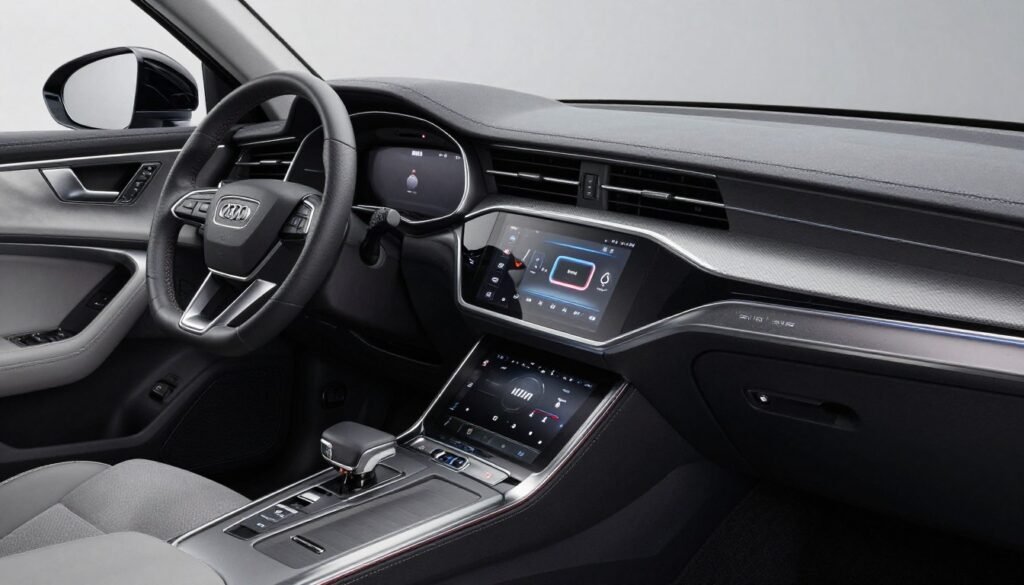
Interior Components
Instrument panel bezels, center console housings, door panel inserts, glove box assemblies, and steering column covers benefit from the engineering plastic’s high impact strength and thermal performance.
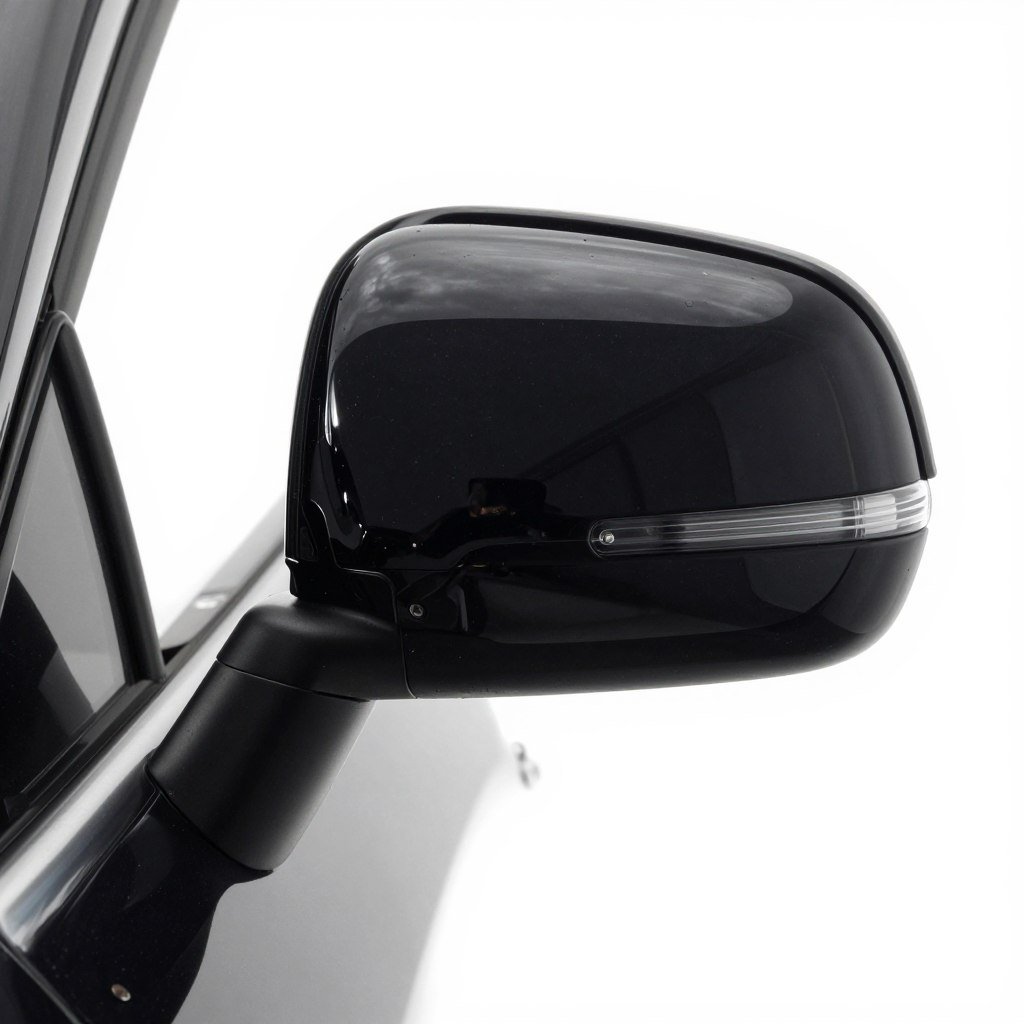
Exterior Components
Mirror housings, pillar trim covers, bumper accents, grille components, and body side moldings are manufactured using UV-stabilized PC ABS Material to maintain appearance under prolonged sun exposure.
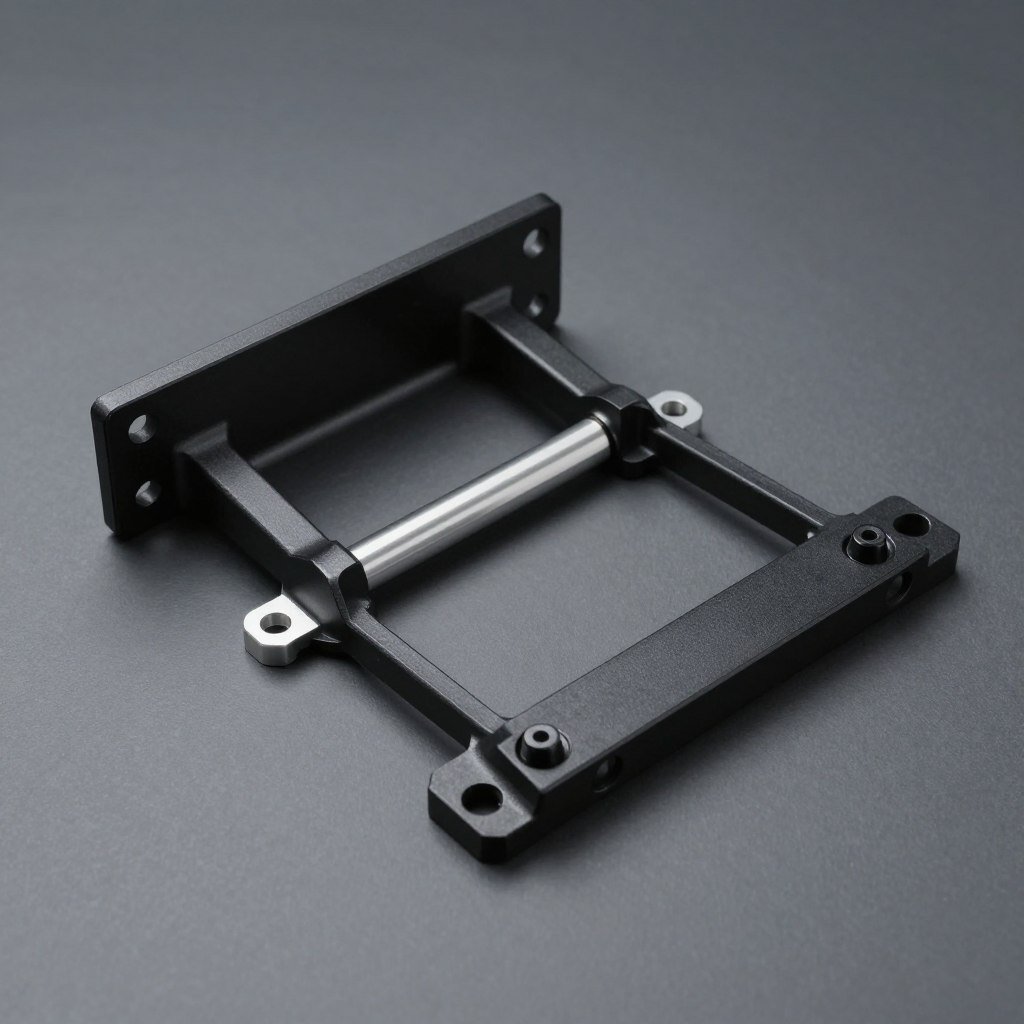
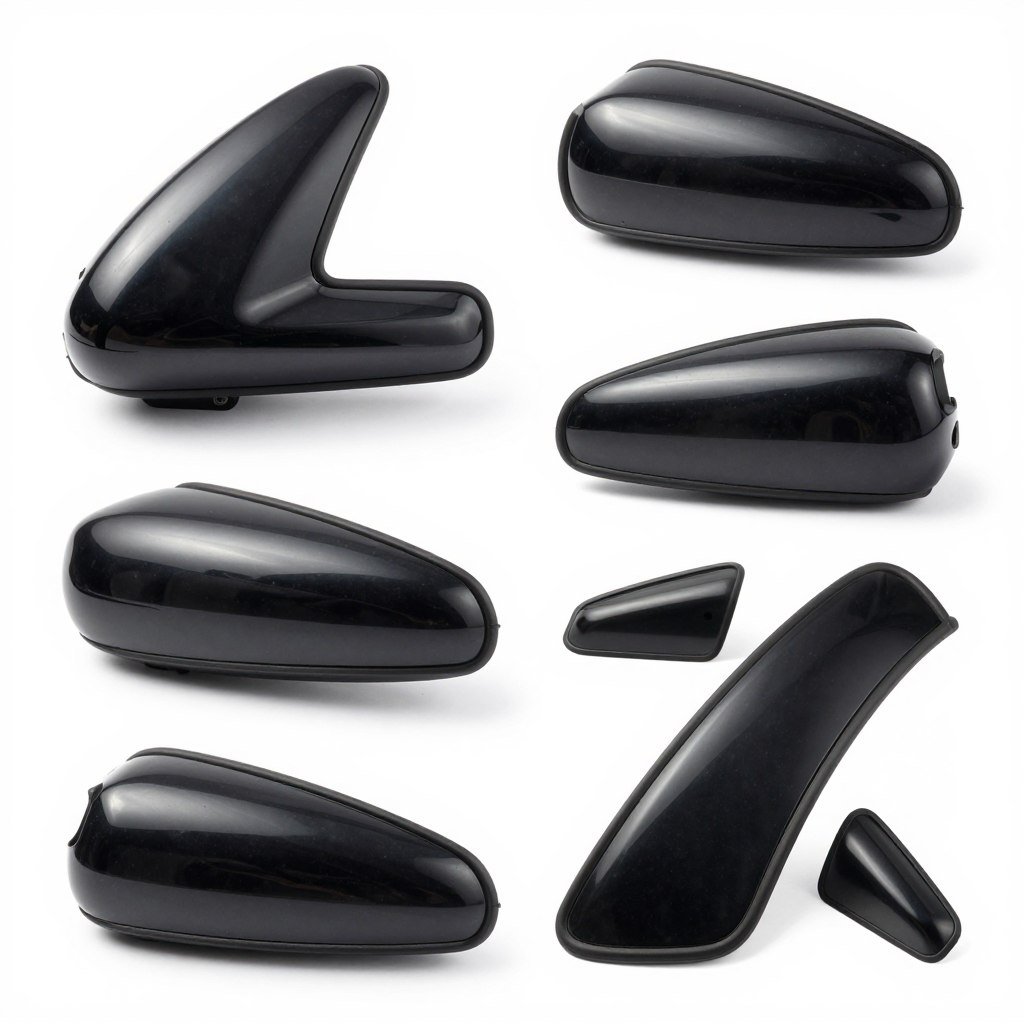
Functional Parts
Air vent assemblies, switch housings, mounting brackets, cable management parts, and sensor housings regularly specify these robust polymer grades for their exceptional dimensional stability and toughness.
This polymer blend ensures consistent performance for automotive components subjected to temperature extremes and mechanical stress, making it a reliable choice for both interior and exterior applications.
Electronics and Telecommunications
- Consumer Devices: Laptop shells, tablet housings, and smartphone components leverage PC ABS Material for high impact resistance, excellent surface finish, and flame-retardant compliance with safety standards.
- Telecommunications Equipment: Router housings, modem cases, and mounting brackets benefit from the polymer blend’s electrical insulation, chemical resistance, and dimensional stability, ensuring reliable performance in demanding environments.
This engineering plastic enables thin-wall designs without compromising strength, allowing sleek and compact electronics.
Sporting Goods and Luggage
Luggage manufacturers select PC/ABS for hard-shell suitcase construction. The material combines lightweight properties with excellent impact resistance. Travelers benefit from durable luggage protecting belongings. The abs alloy resists scratches and dents during rough handling.
Sporting equipment uses the plastic alloy for protective gear. Helmet shells, protective padding housings, and equipment cases employ PC/ABS. The impact strength protects athletes during sports activities. Weather resistance maintains performance in outdoor environments.
Medical and Healthcare Equipment
Non-implant medical devices utilize certified PC/ABS grades. Diagnostic equipment housings require flame retardancy and chemical resistance. The material withstands repeated cleaning with disinfectants. Good dimensional stability ensures proper assembly of medical instruments.
Hospital furniture components and equipment carts use structural grades. The engineering plastic supports weight loads while remaining easy to clean. Aesthetic appearance requirements match well with PC/ABS surface quality. Regulatory compliance versions meet healthcare industry standards.
Injection Molding and Processing Guide for PC/ABS
Successful injection molding requires understanding material-specific processing parameters. PC/ABS demands careful control of temperature, drying procedures, and mold design. Following proper processing guidelines ensures consistent part quality and optimal material performance. For detailed material selection, consult the recommended PC/ABS grades and formulations.
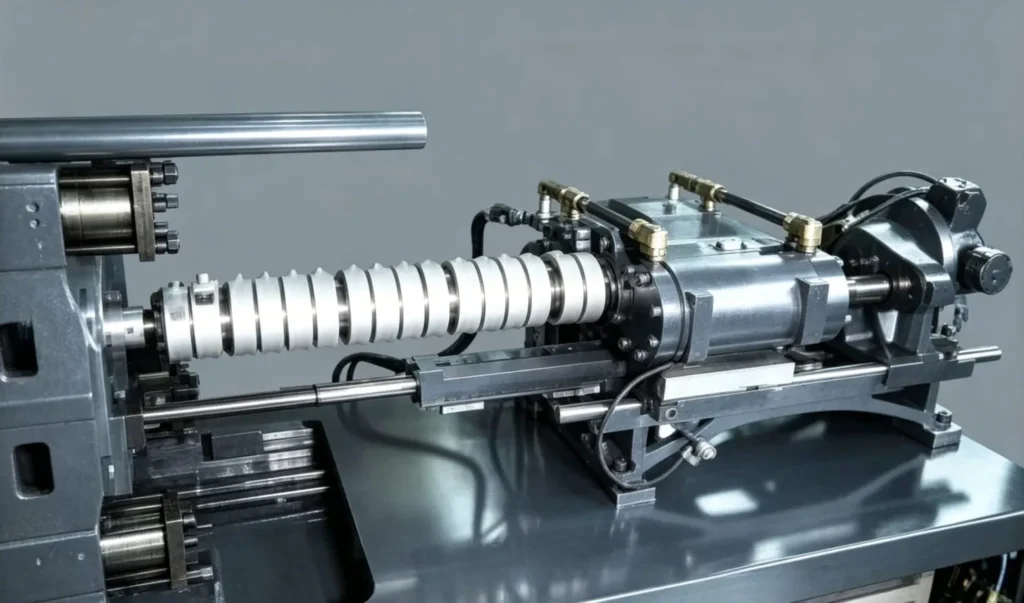
Material Preparation and Drying
Proper drying stands as the most critical preprocessing step. PC/ABS absorbs moisture from air, causing processing defects. The abs resin component particularly requires thorough drying. Water content must remain below 0.02% for quality molding.
Drying temperature should range from 80-100°C. Drying time typically extends 3-4 hours minimum. Desiccant dryers provide better results than hot-air dryers. Material should transfer directly from dryer to molding machine to prevent moisture reabsorption.
Critical Processing Note: Never process PC/ABS without proper drying. Moisture causes surface defects, reduced mechanical properties, and poor dimensional stability. Investment in quality drying equipment prevents costly quality issues.
Temperature Settings
Barrel temperature profiles require careful optimization. The plastic alloy processes at temperatures between 220-280°C. Temperature zones should increase gradually from hopper to nozzle. Proper heat distribution ensures consistent melt quality.
| Zone | Temperature Range | Purpose |
| Rear Zone | 220-240°C | Initial melting of pellets |
| Middle Zone | 240-260°C | Complete material homogenization |
| Front Zone | 250-270°C | Final melt temperature control |
| Nozzle | 260-280°C | Maintain flow into mold |
| Mold Temperature | 60-90°C | Surface finish and dimensional control |
Injection Parameters
Injection pressure requirements vary with part geometry. Typical injection pressures range from 80-140 MPa. Higher pressures accommodate thin-wall parts or complex geometries. The engineering plastic flows well at proper temperature settings.
Injection speed affects surface quality significantly. Moderate speeds prevent flow marks and weld lines. Too-fast injection creates surface defects. Optimizing injection speed balances fill time with cosmetic appearance.
Mold Design Considerations
Gate design influences part quality substantially. Gate location should facilitate balanced filling. Gate size must accommodate material viscosity. Submarine gates work well for automated production. Hot runner systems reduce material waste.
Cooling channel design controls cycle time and quality. Uniform cooling prevents warpage and dimensional variations. The abs alloy benefits from consistent mold temperature. Coolant temperature typically stays at 60-80°C for optimal results.
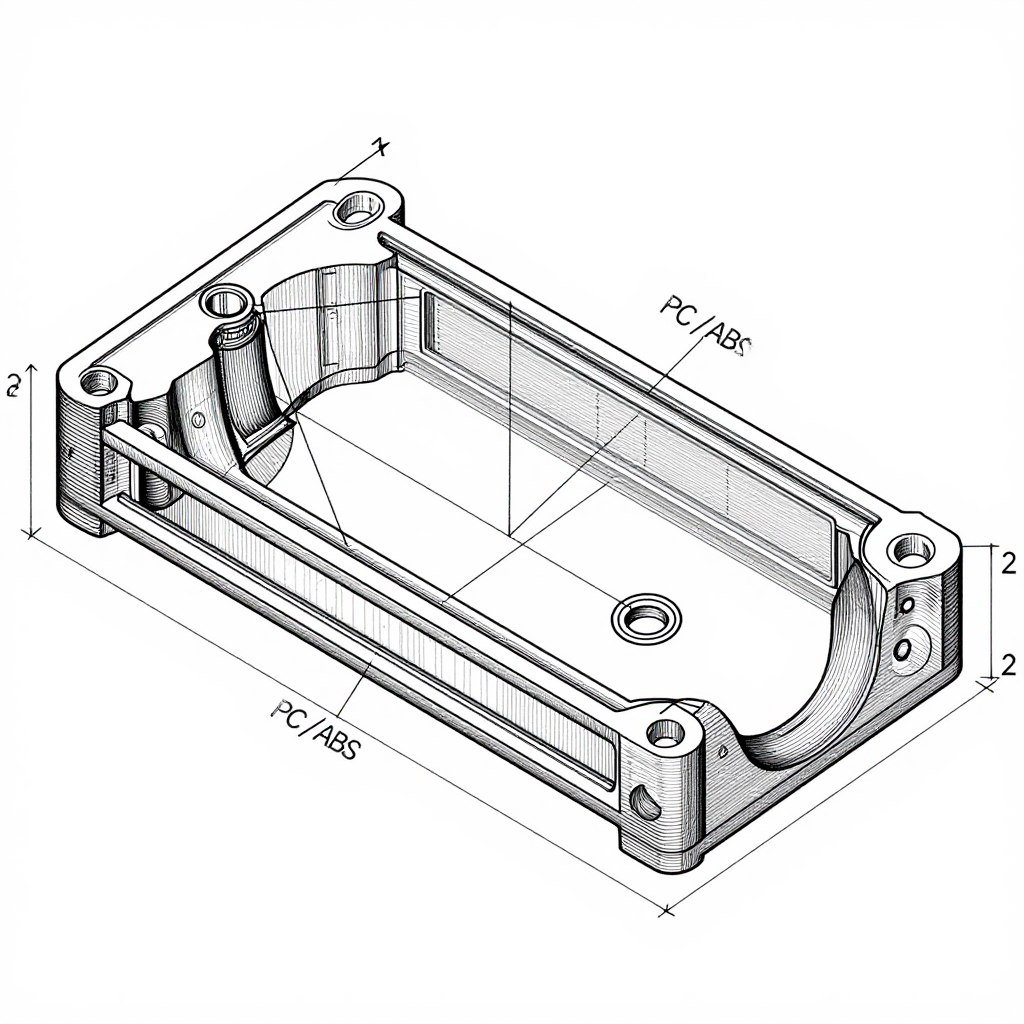
Essential Mold Features
- Adequate venting to prevent gas traps
- Polished cavity surfaces for appearance
- Draft angles of 1-3 degrees minimum
- Rounded corners to reduce stress concentration
- Proper ejection system for clean part removal
- Temperature control channels near surfaces
Processing Troubleshooting
Common processing defects have identifiable causes and solutions. Surface defects often trace back to moisture or temperature issues. Dimensional problems typically result from cooling or pressure settings. Understanding defect mechanisms enables quick corrections.
Optimal Processing Results
- Excellent surface gloss and finish
- Tight dimensional tolerances achieved
- Minimal internal stress
- Consistent mechanical properties
- Good weld line strength
- Fast cycle times maintained
Common Processing Defects
- Silver streaks from moisture
- Flow marks from temperature variations
- Sink marks from insufficient packing
- Warpage from uneven cooling
- Short shots from low injection speed
- Flash from excessive injection pressure
⚙️ Shop-Floor Processing & Optimization Guide
Ready for production setup? General parameters provide a baseline, but complex part geometries, multi-stage injection profiles, and specific barrel zone controls require precise configuration to maximize yield.
For deep-dive technical parameter limits, four-zone barrel layouts, and injection speed optimization zones, explore our practical settings playbook: PC/ABS Injection Molding Parameters: A Practical Settings Guide ↗
Post-Molding Operations
Some applications require secondary operations on molded parts. The plastic alloy accepts various finishing processes. Painting, printing, and hot stamping enhance aesthetic appearance. Ultrasonic welding joins multiple components effectively.
Annealing relieves internal stresses from molding. Heat treatment at 80-100°C for 2-4 hours stabilizes dimensions. This process particularly benefits tight-tolerance parts. Post-molding treatments expand design possibilities for products.
Facing Injection Molding Challenges with PC/ABS?
Our processing engineers provide on-site support, troubleshooting assistance, and optimization services. Reduce scrap rates, improve cycle times, and enhance part quality with expert guidance.
FAQ: Frequently Asked Questions About PC/ABS
What does PC-ABS mean?
PC ABS Material is a two-component engineering plastic created by melt blending polycarbonate (PC) with acrylonitrile butadiene styrene (ABS). This polymer blend delivers heat resistance and impact strength from the PC component, while the ABS ensures excellent processability and chemical resilience.
The hyphenated term differentiates the alloy from its pure counterparts. With balanced properties, PC ABS Material provides both strength and moldability, making it suitable for diverse applications requiring reliable mechanical performance.
Is PC-ABS stronger than ABS?
Yes, this polymer blend typically offers higher strength than standard ABS. The polycarbonate component enhances impact resistance, with tensile strength ranging from 40–60 MPa compared to 30–45 MPa for pure ABS. Impact resistance improves by 200–300%, providing reliable performance under demanding conditions.
Heat deflection temperatures also rise, reaching 100–115°C versus 80–95°C for ABS, supporting higher-temperature applications. Strength may vary by grade, and reinforced ABS can occasionally match certain PC ABS Material properties. Engineers should consider application requirements and cost when selecting materials.
Is PC-ABS good for luggage?
Yes, this engineering plastic is ideal for hard-shell luggage. It combines lightweight design with high impact resistance, protecting belongings from rough handling during travel.
The polymer blend resists scratches and dents, maintains surface finish over extended use, and offers chemical resistance against spills and cleaning agents. Excellent dimensional stability prevents warping from temperature changes during transport.
Many premium luggage brands rely on PC ABS Material for its performance, cost-effectiveness, and processing versatility. Thin-wall molding enables complex designs while keeping weight low without compromising strength.
Conclusion
PC ABS Material is a versatile engineering plastic that combines the high strength and heat resistance of polycarbonate with the excellent processability and cost-effectiveness of ABS. This unique combination makes it a preferred choice for automotive, electronics, consumer goods, and industrial applications.
From critical material properties to injection molding best practices, this guide provides essential insights for informed technical decision-making. Whether your project demands halogen-free flame-retardant performance for electronics, high-heat stability for automotive structures, or reliable impact strength for consumer goods, selecting the precise formulation is key to manufacturing efficiency.
We support your production with comprehensive product availability and reliable spot inventory of leading global brands, including Covestro, Chimei, LG Chem, Ineos, and Formosa Plastics.
Backed by consistent batch-to-batch quality and streamlined logistics positioned near major global shipping hubs like the Shanghai Port, we ensure timely delivery to minimize your lead times. Whether you need specific PC/ABS brand cross-referencing, sustainable formulations, complete TDS documentation, or sample requests, our team is ready to deliver the optimal material solution.
Contact our engineering and supply team today to secure your material solution or request a commercial inquiry.