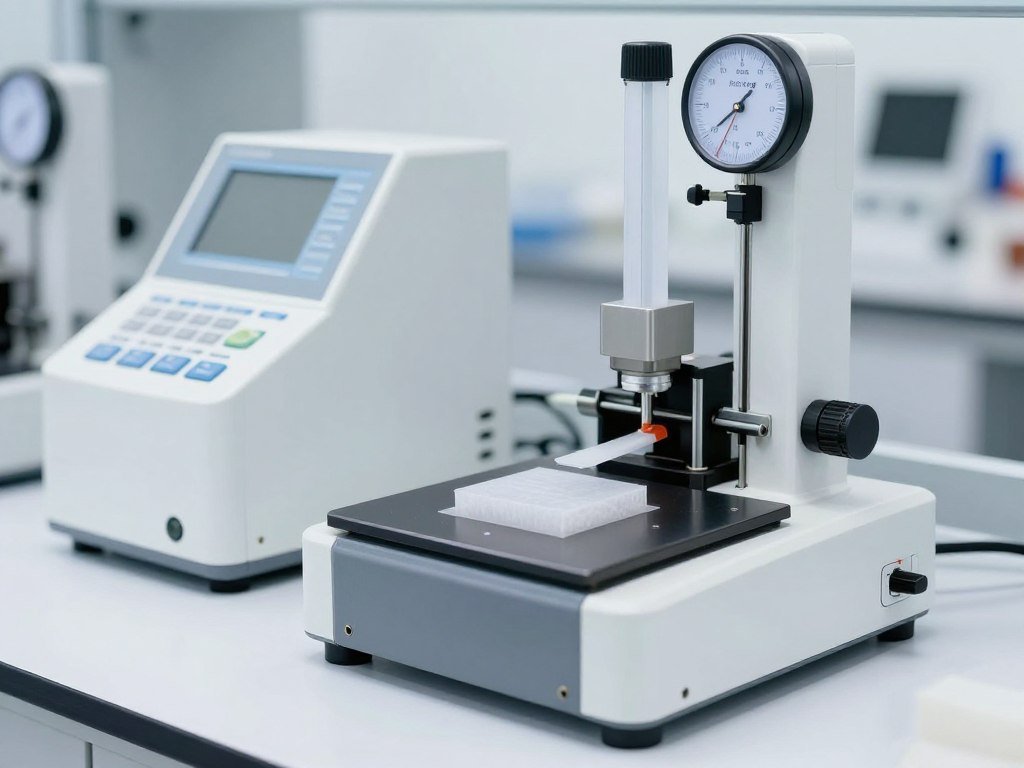
Polyethylene (PE) and Polypropylene (PP) are two of the most widely used thermoplastics in industrial manufacturing, often selected for packaging, automotive parts, and consumer products.
Although they may appear similar in appearance and processing, their molecular structures create significant differences in mechanical strength, temperature resistance, and chemical behavior.
This article compares PE and PP from a practical engineering perspective to help you select the most suitable material for your application.
PE vs PP: Which Is Better?
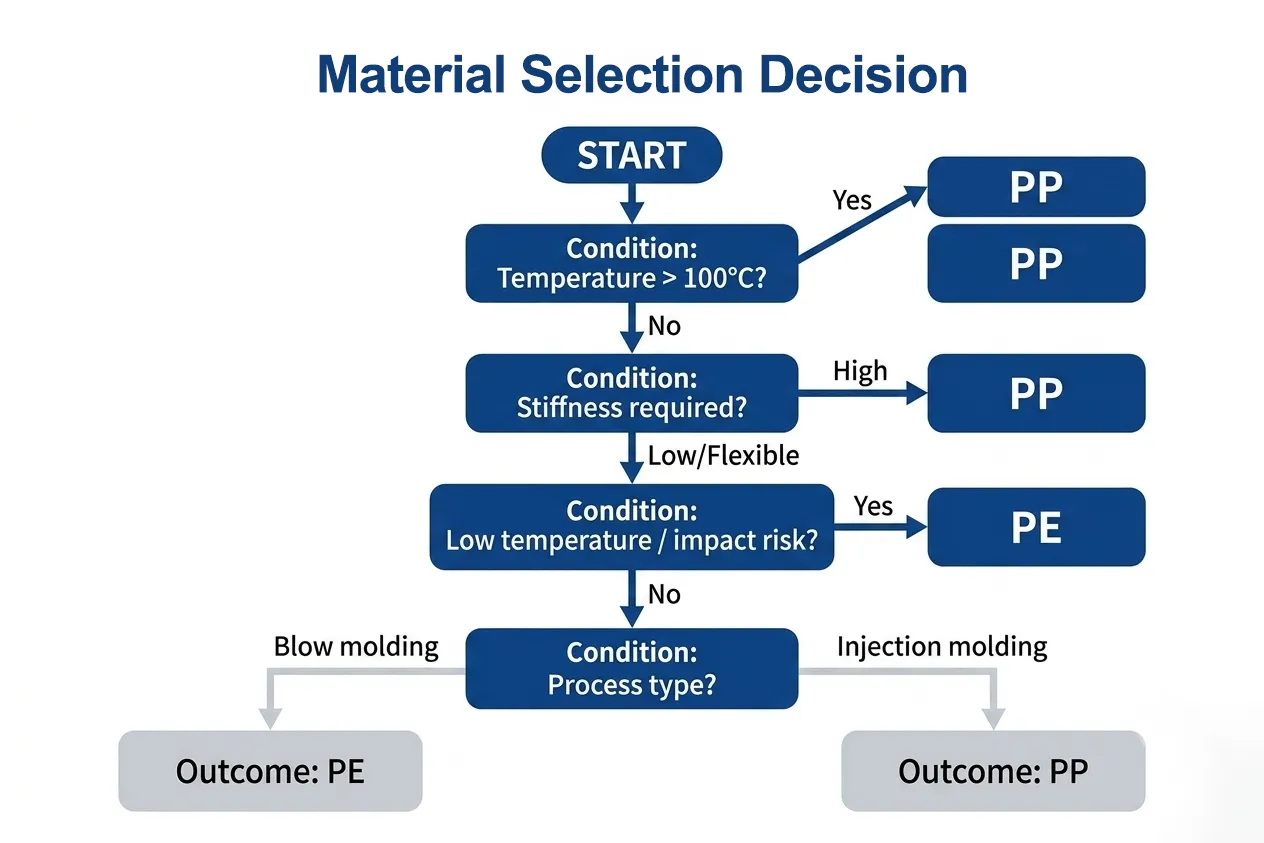
The selection between polyethylene and polypropylene depends on application requirements and overall performance balance. This decision guide simplifies material selection based on key engineering and processing factors.
Choose Polyethylene When:
- Operating temperatures remain below 80°C (176°F)
- Applications require flexibility and impact resistance
- Products need excellent moisture barrier properties
- Chemical resistance to acids and bases is critical
- Low-temperature performance is essential
- Cost efficiency drives material selection
- Food contact applications require FDA compliance
- Outdoor applications demand UV stabilization
Choose Polypropylene When:
- Operating temperatures reach 100°C to 120°C (212°F to 248°F)
- Applications demand high stiffness and strength
- Products require fatigue resistance and durability
- Chemical resistance to organic solvents is needed
- Living hinge designs are part of product specifications
- Autoclave sterilization is required for medical parts
- Dimensional stability under heat is critical
- Lower density reduces material weight requirements
| Property | Polyethylene (PE) | Polypropylene (PP) |
|---|---|---|
| Flexibility | Higher flexibility | More rigid |
| Temperature Resistance | Better low-temperature performance | Better high-temperature performance |
| Chemical Resistance | Excellent | Good |
| Impact Strength | Very good | Moderate (can be brittle at low temperature) |
| Density | Higher | Lower (lighter weight) |
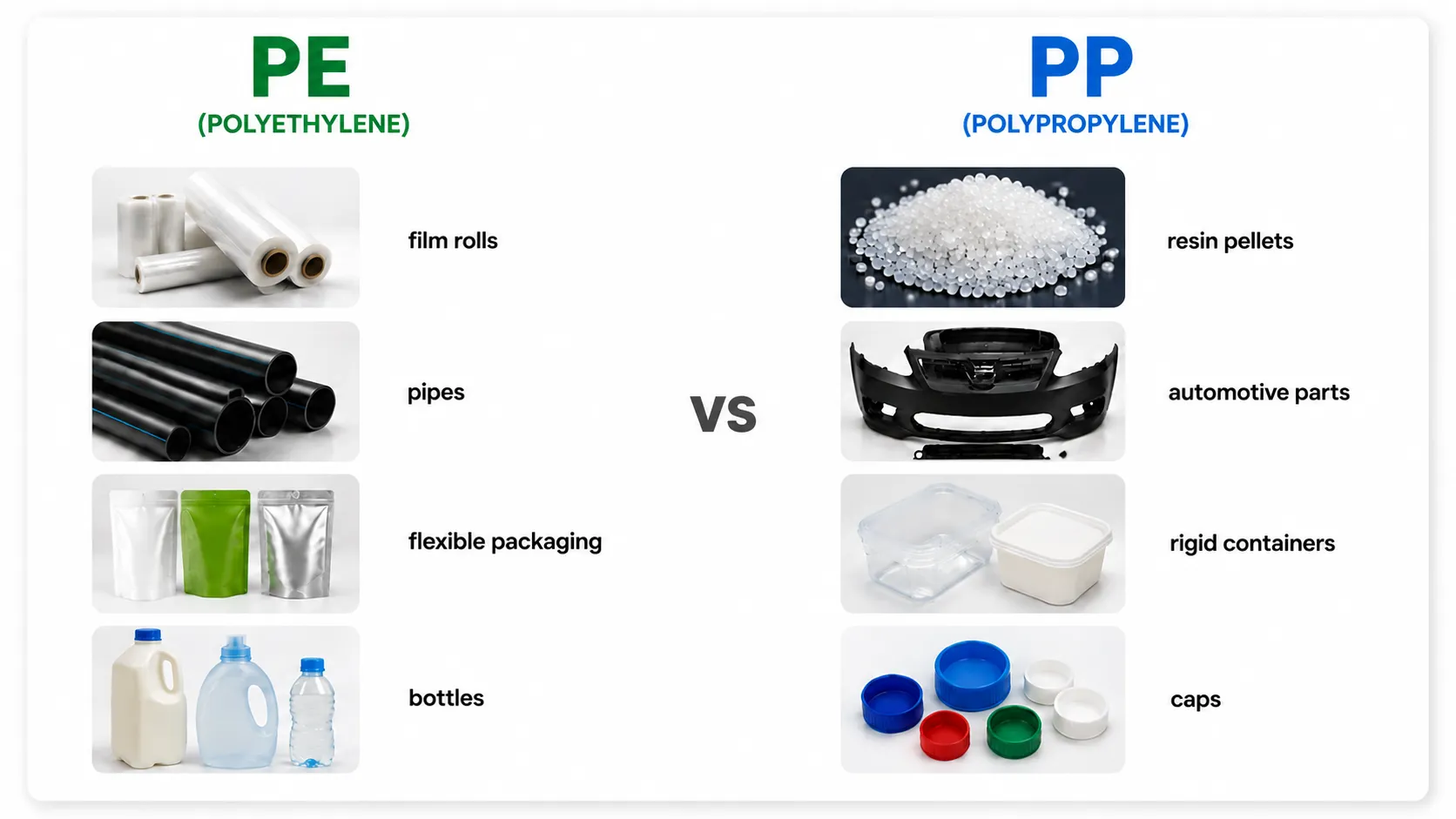
| Typical Applications | Packaging, pipes, films | Automotive parts, containers |
PE is generally preferred for applications requiring flexibility, low-temperature toughness, and strong chemical resistance, while PP is more suitable for applications that require higher stiffness, heat resistance, and lightweight performance. The final selection depends on operating conditions, processing method, and cost considerations.
PE vs PP Material Selection Support for Engineering Applications
Compare key performance differences between polyethylene and polypropylene, including stiffness, impact resistance, temperature limits, and processing behavior.
Typical Applications of PE and PP
Both materials serve distinct industrial applications. Understanding where each polymer excels guides proper material selection for specific manufacturing requirements.
Polyethylene Applications Across Industries
Polyethylene dominates packaging applications worldwide. The material provides excellent moisture barriers and chemical resistance. Its flexibility suits a wide range of container designs.
Packaging Industry
- Shopping bags and film wraps
- Food containers and bottles
- Shrink wrap and stretch film
- Agricultural film for greenhouse applications
- Protective packaging for electronics
Industrial Equipment
- Chemical storage tanks for acids
- Pipe systems for water distribution
- Cable insulation for electrical applications
- Wear-resistant liners for equipment
- Corrosion-resistant components
Consumer Products
- Cutting boards for food preparation
- Toys and recreational equipment
- Outdoor furniture components
- Medical device housings
- Personal care product containers
High-density polyethylene (HDPE) excels in applications requiring stiffness. It appears in milk jugs, detergent bottles, and pipe systems. The material withstands continuous stress without cracking.
Low-density polyethylene (LDPE) provides flexibility for films and bags. It processes easily in blown film extrusion. The material seals effectively at low temperatures.
💡 Deep Dive: Selecting the precise high-density or low-density variant is critical for continuous production harmony. For a comprehensive structural breakdown, read our step-by-step guide on Polyethylene (PE): How to Select the Right Grade?
Polypropylene Applications Across Industries
Polypropylene serves applications demanding higher heat resistance. Its superior stiffness supports structural components. The material maintains performance under repeated stress cycles.
Automotive Industry
- Battery cases and housings
- Interior trim panels and dashboards
- Bumpers and exterior parts
- Under-hood components requiring heat resistance
- Carpeting and fabric backings
Medical Devices
- Syringes and laboratory equipment
- Autoclavable surgical instruments
- Medical packaging and containers
- Diagnostic test equipment housings
- Pharmaceutical vials and closures
Consumer Goods
- Food containers for microwave use
- Living hinge designs for packaging
- Appliance components and housings
- Reusable water bottles
- Storage boxes and organizers
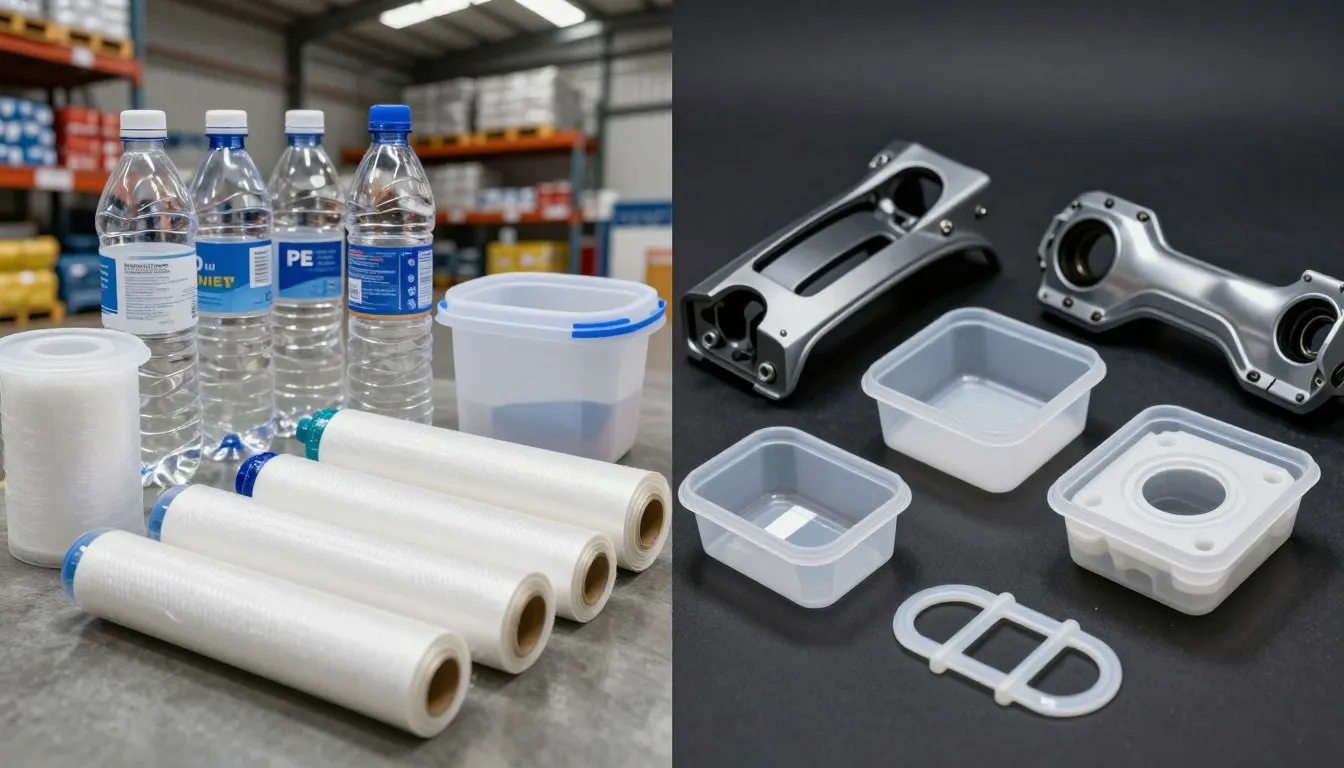
PE is generally selected for flexible, low-temperature, and film-based applications, while PP is preferred for rigid, heat-resistant, and structural components. Both materials cover a wide range of industrial and consumer applications depending on performance requirements.
Material Properties Comparison (What Really Matters in Practice)
Polyethylene (PE) and polypropylene (PP) exhibit distinct mechanical, thermal, and chemical properties that determine their suitability for different industrial applications. Understanding these differences helps engineers select the appropriate material for specific operating conditions.
Mechanical Properties
PP offers higher stiffness and tensile strength, making it suitable for structural and load-bearing applications. PE provides higher flexibility and superior impact resistance, especially under low-temperature conditions, making it ideal for films and flexible components.
Thermal Properties
Polypropylene has a higher melting point (160–170°C), allowing better performance in high-temperature environments such as hot-fill packaging. Polyethylene grades operate at lower temperature ranges, typically suitable for moderate to low-temperature applications.
Chemical Properties
Both PE and PP offer strong chemical resistance, but PE generally performs better against acids and alkalis, while PP shows better resistance to certain organic solvents. However, both materials may experience stress cracking under combined chemical and mechanical stress conditions.
UV / Moisture
Neither PE nor PP has inherent UV resistance and both require stabilization for long-term outdoor exposure. Both materials also exhibit very low water absorption, ensuring good dimensional stability in humid environments.
Moisture and Barrier Properties
Both PE and PP have very low water absorption (<0.02%), ensuring good dimensional stability.
Polyethylene, especially LDPE, provides better moisture barrier performance and is widely used in film and flexible packaging. Polypropylene offers higher rigidity but slightly lower moisture barrier performance.
| Property | PP | PE |
|---|---|---|
| Stiffness | Higher | Lower |
| Impact Resistance | Moderate | High |
| Heat Resistance | High | Medium/Low |
| Chemical Resistance | Good | Very Good |
| Low Temperature Performance | Poor | Excellent |
Engineering Interpretation
Material selection should consider combined mechanical, thermal, and chemical requirements rather than isolated property values. In general, PP is selected for stiffness and heat resistance, while PE is preferred for flexibility, impact resistance, and low-temperature performance.
Processing Differences in Manufacturing
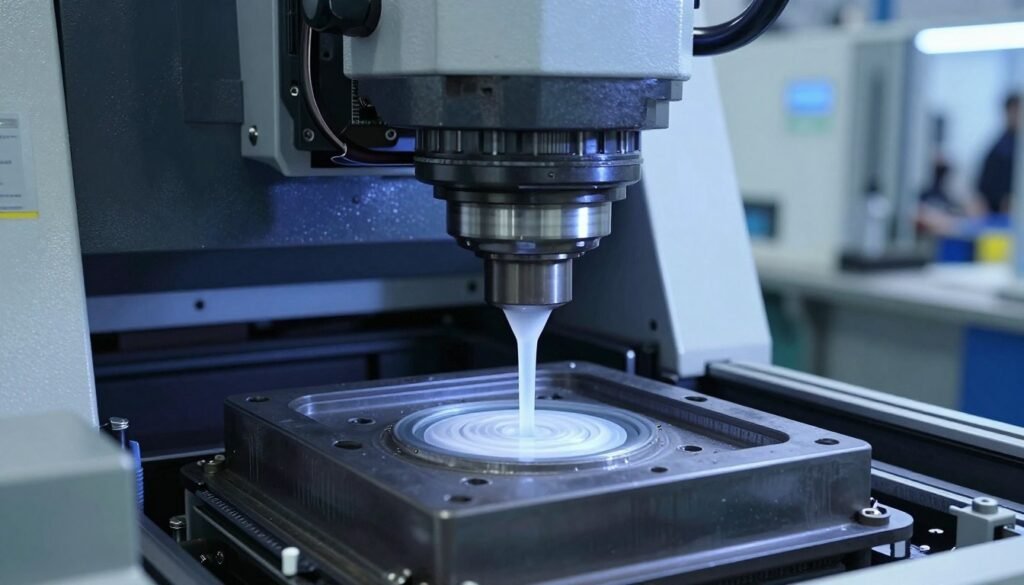
Polyethylene (PE) and polypropylene (PP) exhibit different processing behaviors that directly affect cycle time, dimensional stability, and part quality. These differences are most evident in injection molding and cooling behavior.
Injection Molding Considerations
Injection molding is the primary processing method for both PE and PP and plays a key role in material selection.
PP typically requires higher processing temperatures and exhibits faster crystallization, which can improve cycle time but increases shrinkage and warpage risk. PE processes at lower temperatures and provides more stable shrinkage behavior, but usually requires longer cooling time.
While other processing methods such as extrusion and blow molding are widely used for PE and PP, injection molding behavior is typically the most critical factor in material selection decisions.
Material Selection Risks: What Goes Wrong in Production
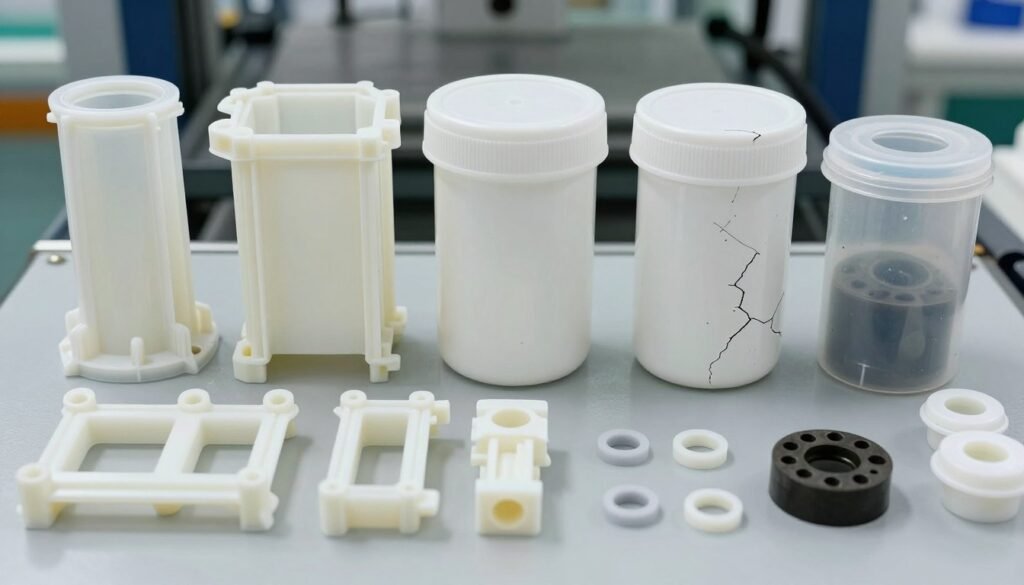
Selecting the wrong material can lead to production defects, premature part failure, increased manufacturing costs, and customer complaints. Understanding the most common failure scenarios helps reduce these risks before production begins.
Common Failure Scenarios
| Scenario | PE Risk | PP Risk |
|---|---|---|
| High-temperature applications | Softening and deformation above recommended temperatures | Better heat resistance |
| Low-temperature applications | Maintains impact toughness | May become brittle below 0°C unless modified |
| Chemical exposure | Environmental stress cracking with certain detergents | Limited resistance to strong oxidizing acids and chlorinated solvents |
| Long-term mechanical loading | Higher creep deformation | Better creep resistance |
| Processing | Inadequate cooling may cause deformation | Uneven cooling may lead to warpage |
How to Reduce Material Selection Risks
- Verify the actual operating temperature rather than ambient conditions.
- Confirm chemical compatibility before material selection.
- Match the resin grade with the intended processing method.
- Validate performance through prototype or production trials.
- Work with suppliers to confirm grade consistency and long-term availability.
💡 Example:A food packaging manufacturer selected PP for freezer containers. Repeated impacts below 0°C caused cracking during transportation. Switching to an impact-modified PP or HDPE eliminated the issue.
Need Help Avoiding Material Selection Risks?
Our engineering team can help you select the right PE or PP grade based on your operating temperature, chemical exposure, and processing conditions. We provide practical material recommendations to reduce production risks and improve long-term performance.
Molecular Structure Explained (Why Performance Is Different)
The fundamental performance differences between PE and PP originate from one key structural feature: the methyl (-CH₃) side group in polypropylene.
The key difference between PE and PP lies in their molecular structure. Polypropylene contains methyl (-CH₃) side groups attached to the polymer backbone, while polyethylene has a simpler chain structure.
These side groups restrict molecular movement, giving PP higher stiffness and heat resistance, whereas PE remains more flexible with better impact performance at low temperatures.
Why is PP more brittle at low temperatures?
The methyl side groups restrict molecular chain movement. At low temperatures, PP chains lose flexibility more quickly than PE, making PP more susceptible to brittle failure.
Why does PP have better heat resistance?
The methyl side groups also allow PP molecules to pack more tightly, increasing crystallinity and raising the melting point compared with PE.
Recycling and Sustainability Comparison
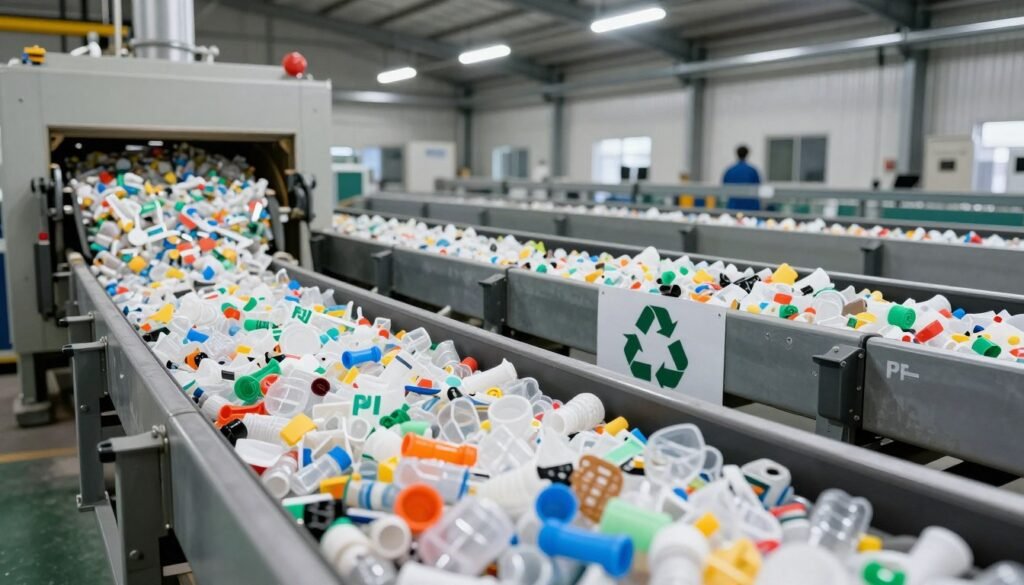
Both polyethylene (PE) and polypropylene (PP) are recyclable thermoplastics commonly used in industrial applications. However, differences in recycling infrastructure and recycled material availability can influence material selection in certain industries.
Recycling Profiles & Supply Chain Readiness
| Factor | PE | PP |
|---|---|---|
| Recyclability | Widely recyclable | Widely recyclable |
| Recycling infrastructure | More mature globally | Growing but less established |
| PCR availability | Higher availability | Moderate availability |
| Typical recycled applications | Packaging, pipes, containers | Automotive parts, household goods |
Practical Selection Insight
In most applications, both PE and PP can be considered sustainable thermoplastics. PE generally benefits from a more established recycling stream and higher availability of recycled grades, while PP is increasingly adopted in lightweight and durability-focused applications where performance requirements take priority.
Final material selection should balance mechanical performance, processing requirements, cost, and local recycling infrastructure.
Material Selection Checklist
Before selecting a PE or PP resin for your project, review the following key factors to minimize material selection risks and avoid costly production issues.
| Checklist Item | Why It Matters |
|---|---|
| Operating Temperature | Determines whether PE or PP is more suitable. |
| Mechanical Performance | Consider stiffness, impact resistance, and fatigue performance. |
| Chemical Exposure | Verify compatibility with acids, solvents, or detergents. |
| Processing Method | Confirm compatibility with injection molding, extrusion, or blow molding. |
| Regulatory Compliance | Check food-contact, medical, or industry-specific certifications. |
| Cost & Supply Stability | Evaluate resin availability, PCR requirements, and long-term supply stability. |
Before Requesting a Quotation
Before contacting your resin supplier, prepare the following information to help identify the most suitable PE or PP grade:
- End-use application
- Processing method (Injection molding, extrusion, blow molding, etc.)
- Estimated annual volume
- Key performance requirements (impact strength, Heat resistance, Chemical resistance, etc.)
- Regulatory or certification requirements (Food contact, medical, automotive, etc.)
Providing this information helps suppliers recommend the most suitable resin grade more efficiently while improving quotation accuracy.
Need help selecting the right PE or PP grade?
Our engineering team is ready to provide precise grade recommendations, compliance data, and competitive volume quotes. To accelerate your project setup, simply let us know your required processing method:
- Injection Molding Grades (Optimized for high flow & low warpage)
- Extrusion Grades (High melt strength for pipes, film, and profiles)
- Blow Molding Grades (Superior ESCR for bottles and industrial containers)
We deliver stable, container-load resin supplies worldwide to future-proof your production lines.
FAQ: Polyethylene vs Polypropylene Selection Questions

What is polyethylene and polypropylene used for?
Polyethylene (PE): Dominates high-volume packaging, industrial piping, and protective films. HDPE is the industry standard for rigid containers, milk jugs, detergent bottles, and municipal water pipes due to its impact strength. LDPE/LLDPE excels in flexible applications, securing the market for squeeze bottles, consumer shopping bags, stretch wrap, and protective antistatic bags within electronics manufacturing.
Polypropylene (PP): Selected for high-rigidity engineering components and sterilization-tolerant applications. Crucial for automotive assemblies (battery cases, interior trim, under-hood housings), healthcare infrastructure (syringes, lab equipment, autoclavable diagnostic housings), and consumer products utilizing integrated living hinges or requiring microwave-safe food compliance.
Is PP and PE plastic safe?
Yes, both polymers are universally classified as non-toxic and inert. When sourced as virgin resins from responsible manufacturers, they contain no harmful chemical residues and are globally approved for high-specification regulated industries:
- Food Contact: Fully compliant with US FDA CFR 21, EU Regulation 10/2011, and Singapore Food Regulations for direct food packaging.
- Medical Grade: Medical-optimized lots pass stringent ISO 10993 biocompatibility testing and secure USP Class VI certification, verifying their safety for long-term skin/tissue contact and compatibility with standard autoclave or ethylene oxide (EtO) sterilization.
Polypropylene vs polyethylene toxicity
Neither polyolefin exhibits acute or chronic toxicity in its native state because their polymer backbones consist purely of benign carbon and hydrogen atoms.
- The Real Risk Factor: Potential toxicity in plastics resides entirely in the additive package (UV stabilizers, antioxidants, slip agents, or colorant heavy metals). Responsible sourcing ensures all compounding additives are fully migration-tested to prevent extractables and leachables from leaching into food or medical fluids.
- Thermal & Environmental Notes: Complete thermal combustion safely degrades both materials into carbon dioxide and water vapor. Environmental concerns are tied strictly to microplastic persistence in ecosystems due to their non-biodegradable nature, rather than chemical toxicity, highlighting the commercial need for closed-loop recycling infrastructure.
Which is stronger, PP or PE?
“Strength” depends on your application’s operating temperature. Polypropylene is inherently stronger in structural load-bearing capacity, while Polyethylene is significantly stronger against cold-temperature mechanical failure:
- Tensile Strength: Polypropylene leads at 30 to 40 MPa, followed by HDPE (20 to 30 MPa), and LDPE (10 to 20 MPa).
- Flexural Modulus (Stiffness): PP delivers 1,300 to 1,800 MPa, drastically outperforming HDPE (800 to 1,200 MPa), reducing deflection under load.
- Impact Toughness: Polyethylene maintains ductile, shatterproof impact resistance down to -40°C. Unmodified PP Homopolymer undergoes a severe ductile-to-brittle transition and risks catastrophic failure below 0°C.
Is PP better than PE?
Neither material is universally superior; selection is governed entirely by environmental and budget parameters:
- Choose Polypropylene if: Your part requires thermal resistance above 80°C (up to 120°C structural thresholds), maximum rigidity, or cyclic flex fatigue resistance (e.g., living hinges). It is highly favored in tropical regions like Singapore for outdoor enclosures exposed to intense radiant heat.
- Choose Polyethylene if: Your product operates in sub-zero/freezing environments, demands high environmental stress cracking resistance (ESCR) against aggressive acids, or requires the lowest possible raw material cost per kilogram to protect high-volume production margins.
Are PP and PE the same?
No. While they share the same polyolefin family and are composed solely of carbon and hydrogen, their mechanical behavior diverges due to molecular geometry:
- Polyethylene features a linear or branched chain composed of simple ethylene monomers (-CH₂-CH₂-), promoting molecular flexibility.
- Polypropylene incorporates a repetitive methyl side group (-CH₃) on its propylene monomer. This bulkier side group restricts chain movement, driving up crystalline hardness, surface scratch resistance, and the melting point.
- Supply Chain Distinction: They possess entirely different melt flow and shrinkage profiles, meaning they cannot be mixed during reprocessing. They are rigidly separated into dedicated recycling streams under Resin Codes #2/#4 (PE) versus Code #5 (PP).
What is the difference between PP and PE vs PS?
Polystyrene (PS) belongs to an entirely different polymer class due to the presence of large aromatic benzene rings in its molecular chain. This structural shift alters its commercial profile:
- Brittleness vs. Ductility: Unlike the flexible, impact-resistant polyolefins (PE/PP), PS is highly amorphous, offering glass-like visual clarity but extreme structural brittleness. It shatters easily under low mechanical shock.
- Thermal & Chemical Limits: PS softens at a low threshold (80°C to 100°C), making it highly vulnerable to thermal deformation compared to PP (120°C). Furthermore, while PE and PP resist aggressive acids and industrial bases, PS readily dissolves or cracks when exposed to common organic solvents.
- Recycling Logistics: While PE and PP benefit from mature, high-volume mechanical recycling streams, PS (especially Expanded Polystyrene / EPS foam) faces steep logistical challenges due to low bulk density and high contamination rates, frequently resulting in downcycling.
Still Have Questions About PE vs PP Selection?
Connect with our materials engineering team for personalized guidance. We help you navigate complex material decisions and ensure optimal performance for your specific application.
Conclusion
Choosing between Polyethylene (PE) and Polypropylene (PP) is rarely a matter of finding a “better” polymer—it is an optimization process tailored to your application’s physical environment and your plant’s processing constraints.
To streamline your final procurement and engineering review, utilize this four-point framework:
- Thermal Thresholds: Specify PP for components encountering sustained exposure above 80°C (up to 120°C structural limits). Opt for PE for sub-zero storage or rugged winter infrastructure stable down to -40°C.
- Mechanical Loads: Deploy PP if your product demands high tensile strength (30–40 MPa) and rigorous flexural rigidity. Leverage PE if the application requires high elongation, puncture resistance, and environmental stress cracking resistance (ESCR).
- Regulatory Compliance: Ensure your chosen compound meets localized standards, aligning with US FDA CFR 21 and EU Regulation 10/2011 for food packaging, or ISO 10993/USP Class VI for medicaldevice deployment.
- Supply Chain Future-Proofing: Evaluate emerging material technologies, including bio-based polyolefins and high-purity recycled resins, to satisfy evolving corporate sustainability mandates without sacrificing mechanical baselines.
Material science is constantly moving forward with custom additives, stabilizers, and modified grades to mitigate production risks and accelerate time-to-market.
We provide comprehensive technical specification support, regulatory documentation, and reliable resin supply chain services tailored to your precision manufacturing requirements.
Contact our materials engineering team today to request material data sheets (TDS/MSDS), arrange compounding trials, or secure volume quotes for your next production run.