The Ultimate Selection Guide to SABIC PE Grades: Properties, Applications, and Sourcing Solutions

SABIC PE grades polymer pellets in various densities displayed in industrial containers

Polyethylene stands as the most widely used thermoplastic polymer worldwide. SABIC PE grades represent decades of polymer innovation and technical excellence. Engineers and procurement professionals face complex decisions when selecting the right density polyethylene resin for their applications.

This comprehensive guide examines SABIC’s complete polyethylene portfolio. You will discover detailed technical specifications for each grade. The article explores real-world applications across packaging, construction, and automotive industries. Cost optimization strategies reveal how to achieve superior performance while managing material budgets effectively.

Material selection directly impacts product quality and manufacturing efficiency. Understanding molecular weight distribution, stress crack resistance, and processing performance separates successful projects from costly failures. SABIC offers specialized grades engineered for injection molding, film extrusion, and blow molding processes.

The sourcing landscape for polyethylene has evolved significantly. Supply chain reliability now ranks as important as technical performance. This guide provides actionable insights for procurement teams seeking dependable PE suppliers who deliver consistent quality and responsive technical support.

Understanding SABIC Polyethylene: Foundation for Material Selection

SABIC manufactures polyethylene through advanced polymerization technologies. The company operates world-class production facilities across multiple continents. Their PE portfolio encompasses three primary density categories that serve distinct market needs.  

Polyethylene Density Classifications and Performance Characteristics

Density polyethylene grades exhibit fundamentally different molecular structures. These structural variations create unique performance profiles. Material engineers leverage these differences to optimize product designs.

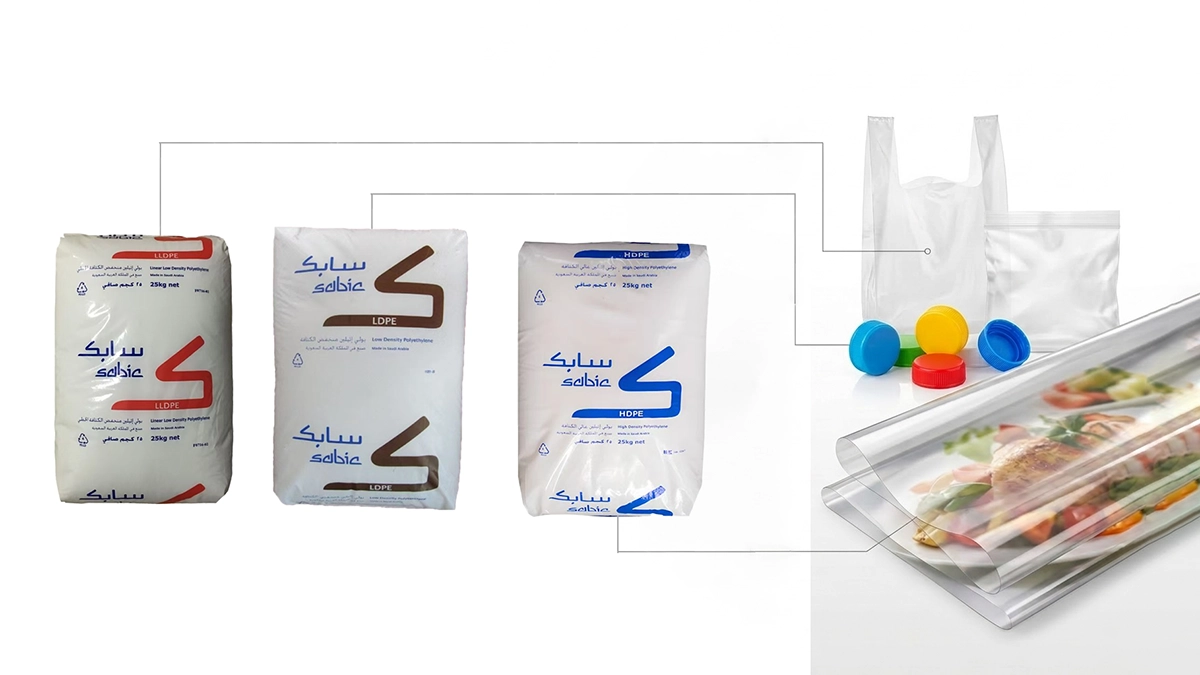
High Density Polyethylene Applications

SABIC HDPE delivers exceptional stiffness and chemical resistance. The resin performs reliably across demanding industrial applications.

  • Industrial containers requiring high rigidity
  • Pressure pipes for water distribution systems
  • Chemical storage tanks with excellent stress crack resistance
  • Bottle caps demanding superior moisture barrier

Low Density Polyethylene Benefits

LDPE grades offer outstanding flexibility and impact strength. The material excels in applications requiring toughness and processability.

  • Stretch films for pallet wrapping applications
  • Flexible packaging for food products
  • Wire and cable insulation requiring durability
  • Squeeze bottles with consistent wall thickness

Linear Low Density Polyethylene Properties

LLDPE combines the advantages of both HDPE and LDPE. This versatility makes it highly valued for film production.

  • High-performance films with excellent puncture resistance
  • Agricultural films requiring weather resistance
  • Liners for food packaging applications
  • Rotomolding applications demanding impact strength

Medium Density Polyethylene Solutions

MDPE fills the performance gap between HDPE and LLDPE. These grades balance stiffness with impact resistance effectively.

  • Gas distribution pipes requiring flexibility
  • Shrink film applications with controlled shrinkage
  • Packaging films needing puncture resistance
  • Consumer goods with moderate stiffness requirements

Molecular Architecture Impact on Material Performance

Molecular weight distribution determines how PE resins behave during processing and in final applications. SABIC engineers control this parameter precisely during polymerization. Broad molecular weight distribution enhances melt strength and processing performance.

Materials with narrow molecular weight profiles deliver superior optical properties. These grades produce films with exceptional clarity and gloss. However, they may present processing challenges in certain equipment configurations.

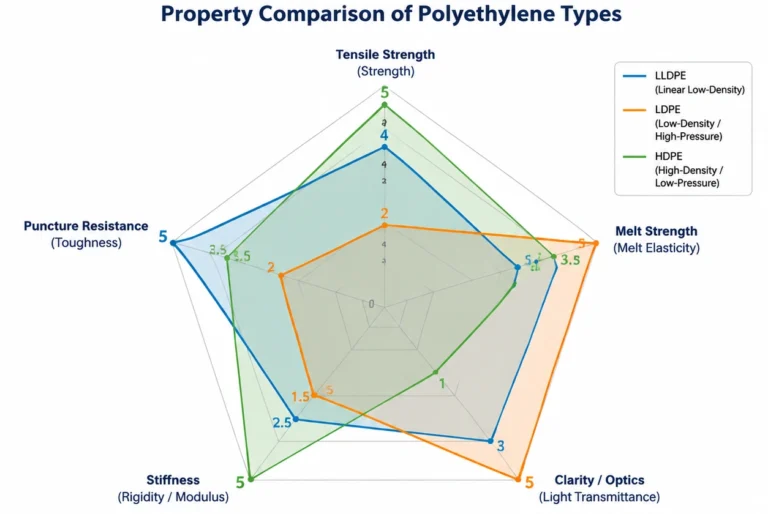
Molecular structure diagram comparing different SABIC PE grades showing polymer chain arrangements

Good stress crack resistance emerges from specific molecular characteristics. SABIC formulates grades with enhanced ESCR for demanding chemical exposure applications. These resins maintain structural integrity even under sustained environmental stress.

Processing Technologies and Grade Selection Criteria

Injection molding applications require SABIC PE grades with good processing performance and low warpage characteristics. These resins flow consistently through mold cavities. They produce parts with tight dimensional tolerances.

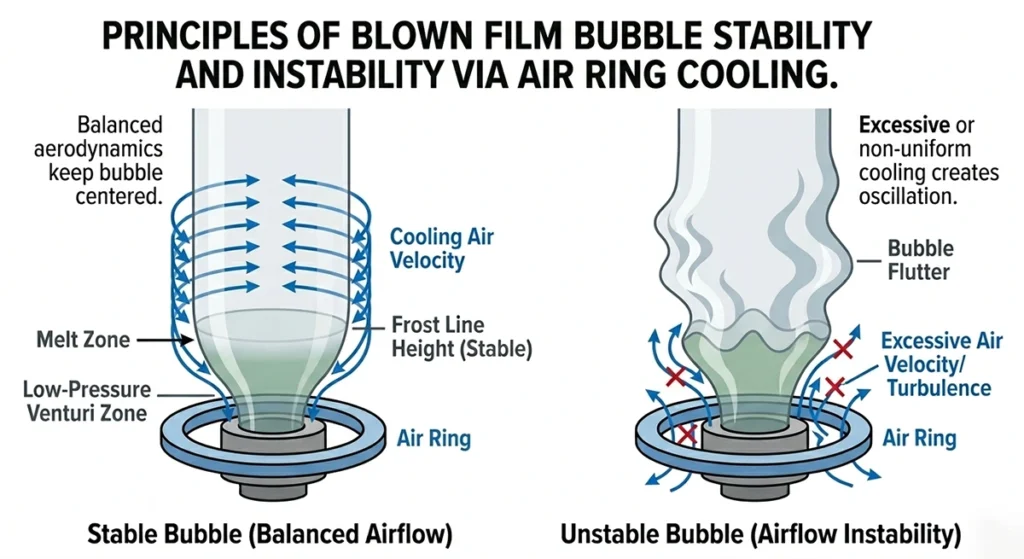
Film extrusion demands materials with high melt strength and excellent processability. SABIC film grades deliver superior bubble stability during blown film production. Cast film processors benefit from grades with controlled melt flow properties.

Blow molding applications utilize SABIC resins engineered for specific parison control. These grades provide uniform wall thickness distribution. The material exhibits excellent stress crack resistance in finished containers.

Popular SABIC PE Grades and Core Applications

SABIC’s polyethylene portfolio contains hundreds of specialized grades. Each formulation addresses specific performance requirements. This section examines the most widely specified grades across major industrial sectors.

High Performance HDPE Grades for Industrial Applications

SABIC HDPE 0950 stands as a benchmark material for injection molding applications. The resin combines high stiffness with good stress crack resistance. Processors value its consistent flow properties and low warpage characteristics.

This grade finds extensive use in industrial containers and consumer products. The material processes efficiently across various molding machines. Parts exhibit excellent dimensional stability and surface finish quality.

SABIC HDPE M80064 serves blow molding applications requiring superior stress crack resistance. The resin delivers exceptional performance in chemical containers and industrial bottles. Its broad molecular weight distribution enhances processing latitude.

Manufacturers appreciate the grade’s consistent parison formation and reduced sag. The material maintains structural integrity under chemical exposure conditions. Container producers achieve excellent productivity with this versatile resin.

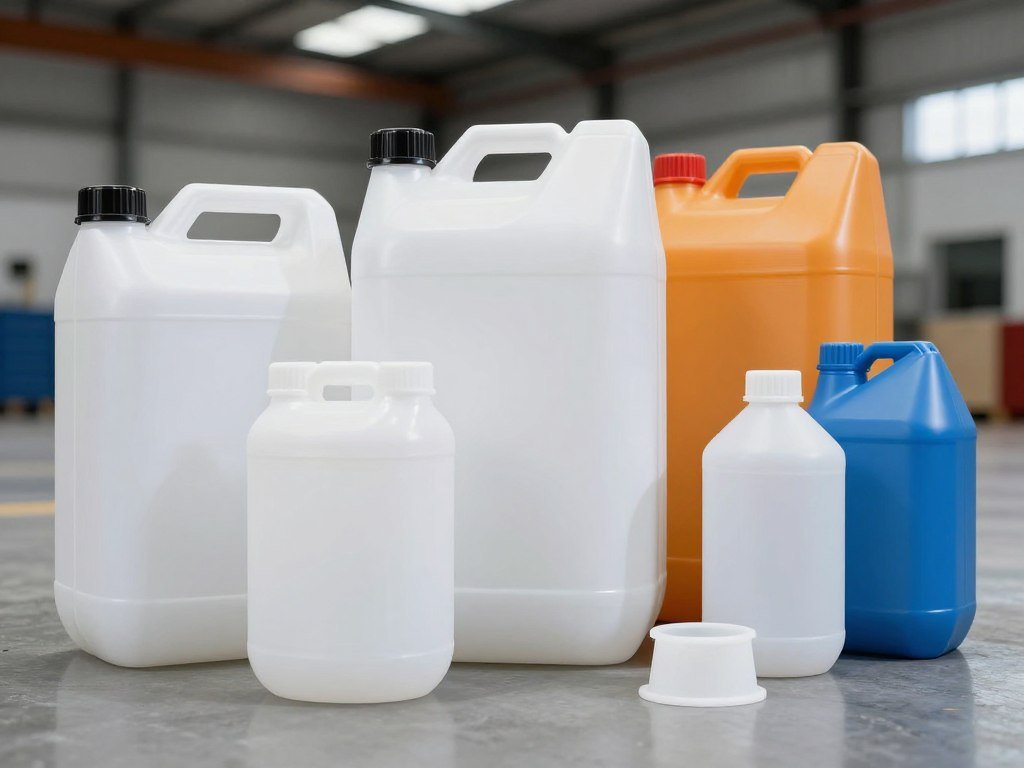
Industrial HDPE containers and products manufactured from SABIC PE grades

Pipe Grade HDPE for Infrastructure Applications

SABIC PE100 grades represent the highest performance classification for pressure pipe applications. These materials meet stringent international standards for water and gas distribution. The resins provide fifty-year service life projections under rated conditions.

Engineers specify PE100 materials for critical infrastructure projects. The grades deliver outstanding long-term hydrostatic strength. Excellent stress crack resistance ensures reliable performance in diverse soil conditions.

SABIC PE80 grades offer cost-effective solutions for non-pressure applications. These materials serve irrigation systems and cable ducting projects. The resins balance performance with economic value effectively.

Versatile LLDPE Grades for Film Production

SABIC LLDPE 118NJ dominates film extrusion applications across multiple market segments. The grade exhibits excellent processability and high output rates. Film producers achieve superior bubble stability during production.

This resin delivers films with outstanding puncture resistance and tear strength. The material maintains clarity while providing excellent mechanical performance. Food packaging applications benefit from its approved regulatory status.

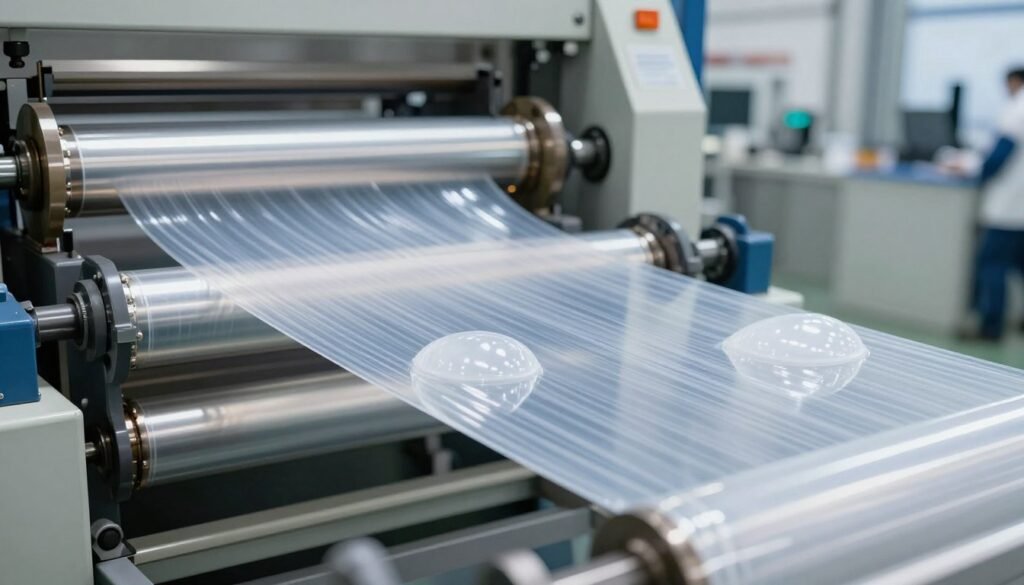
Transparent polyethylene film production showing SABIC LLDPE grades in manufacturing process

SABIC LLDPE 220RJ targets heavy-duty shipping film applications. The grade features enhanced dart impact strength and puncture resistance. Stretch film manufacturers value its consistent processing characteristics.

The material enables down-gauging opportunities while maintaining performance. This translates into material cost savings and improved sustainability profiles. Processors report excellent machine direction and transverse direction properties.

Specialty LLDPE for Agricultural Films

Agricultural film applications demand specialized SABIC PE grades with weather resistance. These materials withstand prolonged UV exposure and mechanical stress. Farmers depend on consistent greenhouse film performance throughout growing seasons.

SABIC formulates grades specifically for mulch film applications. These resins incorporate stabilization packages for extended outdoor exposure. The films maintain integrity while supporting crop production objectives.

LDPE Solutions for Flexible Packaging Markets

SABIC LDPE 2100TN serves as a workhorse grade for general-purpose film applications. The material processes easily across various equipment configurations. Film producers achieve high output rates with minimal processing difficulties.

This grade delivers films with good optical properties and seal strength. The resin works effectively in both monolayer and coextrusion structures. Food packaging converters appreciate its regulatory compliance and consistent quality.

SABIC LDPE HP2023J targets heavy-duty sack applications requiring high impact strength. The material demonstrates excellent tear resistance in both machine and transverse directions.

Industrial bag manufacturers specify this grade for cement and chemical packaging. The resin withstands rough handling during filling and transportation. It provides reliable containment across demanding distribution chains.

Key LDPE Applications

  • Flexible food packaging requiring seal integrity
  • Industrial liners with chemical resistance
  • Carrier bags demanding tear strength
  • Shrink bundling films for product grouping
  • Lamination films for composite structures

Wire and Cable Insulation Compounds

SABIC produces specialized LDPE grades for wire and cable insulation. These materials meet rigorous electrical performance standards. Compound manufacturers value the consistent dielectric properties.

Cable producers require resins with excellent processability during extrusion. SABIC wire grades deliver smooth insulation layers with minimal surface defects. The materials provide long-term reliability in electrical applications.

Request Free SABIC PE Grade Samples

Compare material performance in your specific application. Our technical team ships sample pellets with complete datasheets. Evaluate processing characteristics and physical properties before committing to production volumes.

Rotomolding Grades for Large Part Production

SABIC LLDPE rotomolding grades enable production of large hollow parts. These materials flow uniformly during the heating cycle. Processors achieve consistent wall thickness distribution.

The resins exhibit excellent impact strength even in thick sections. Storage tanks and playground equipment utilize these versatile grades. Material performance remains stable across wide temperature ranges.

Cross-Linking Compounds for Enhanced Performance

Certain applications benefit from cross-linkable SABIC PE grades. These materials undergo chemical modification after initial processing. The cross-linked structure provides enhanced temperature resistance.

Plumbing pipe manufacturers utilize cross-linked polyethylene for hot water applications. The modified material maintains dimensional stability at elevated temperatures. Service life extends significantly compared to conventional thermoplastics.

Technical Specifications and Cross-Reference Table

Material selection requires careful evaluation of technical specifications. SABIC provides comprehensive property data for each polyethylene grade. Engineers compare these specifications against application requirements.

Critical Performance Properties for PE Grade Selection

Melt flow index represents the most commonly referenced processing parameter. This measurement indicates how easily material flows during processing. Higher MFI values suggest easier flow but potentially lower molecular weight.

Density affects multiple performance characteristics simultaneously. High density polyethylene provides superior stiffness and chemical resistance. Lower density materials offer better impact strength and flexibility.

Laboratory testing equipment measuring melt flow index of SABIC PE grades

Tensile strength indicates resistance to pulling forces. This property proves critical for film applications and structural components. SABIC specifies both yield and break values for comprehensive material characterization.

Understanding Stress Crack Resistance Parameters

Environmental stress crack resistance determines material longevity under stress and chemical exposure. Good stress crack resistance prevents premature failure in demanding applications. SABIC tests this property using standardized protocols.

Materials with excellent stress crack resistance maintain integrity when exposed to detergents or cleaning agents. Chemical containers and industrial parts require superior ESCR performance. SABIC formulates specific grades to excel in these demanding conditions.

Grade Designation Density (g/cm³) MFI (g/10min) Tensile Strength (MPa) Typical Applications Processing Method
SABIC HDPE 0950 0.950 8.0 28 Injection molding, caps, closures Injection molding
SABIC HDPE M80064 0.954 0.3 26 Blow molding, chemical containers Blow molding
SABIC HDPE PE100 0.960 0.25 25 Pressure pipes, infrastructure Pipe extrusion
SABIC LLDPE 118NJ 0.918 2.0 12 General purpose film, food packaging Film extrusion
SABIC LLDPE 220RJ 0.920 1.0 14 Stretch film, heavy-duty applications Cast/blown film
SABIC LDPE 2100TN 0.921 2.0 10 General purpose film, bags Film extrusion
SABIC LDPE HP2023J 0.923 0.3 11 Heavy-duty sacks, industrial bags Film extrusion
SABIC LLDPE Roto Grade 0.935 4.0 23 Rotomolding, tanks, large parts Rotational molding
SABIC HDPE Film Grade 0.952 0.45 24 HDPE film, industrial liners Blown film
SABIC MDPE Pipe Grade 0.940 0.4 22 Gas pipes, flexible piping Pipe extrusion

Additional Physical Properties Affecting Application Performance

Impact strength determines how materials respond to sudden loading. High impact strength prevents brittle failure under shock conditions. SABIC specifies Izod and Charpy impact values for comprehensive assessment.

Flexural modulus quantifies stiffness under bending loads. Applications requiring high rigidity demand materials with elevated flexural modulus values. This property correlates closely with density polyethylene classifications.

Flow properties during processing affect productivity and part quality. SABIC PE grades with good processing performance enable higher output rates. Processors reduce cycle times while maintaining consistent part quality.

Thermal Performance Characteristics

Melting point temperature varies across different density polyethylene types. HDPE exhibits higher melting points than LDPE grades. This affects processing temperatures and application temperature limits.

Vicat softening point indicates when materials begin deforming under specified heat and load. Applications involving elevated temperatures require materials with appropriate thermal stability. SABIC provides complete thermal property data.

Optical and Surface Properties for Packaging Applications

High gloss surfaces enhance product aesthetics in consumer applications. Film grades with excellent processability deliver superior optical properties. SABIC formulates materials balancing clarity with mechanical performance.

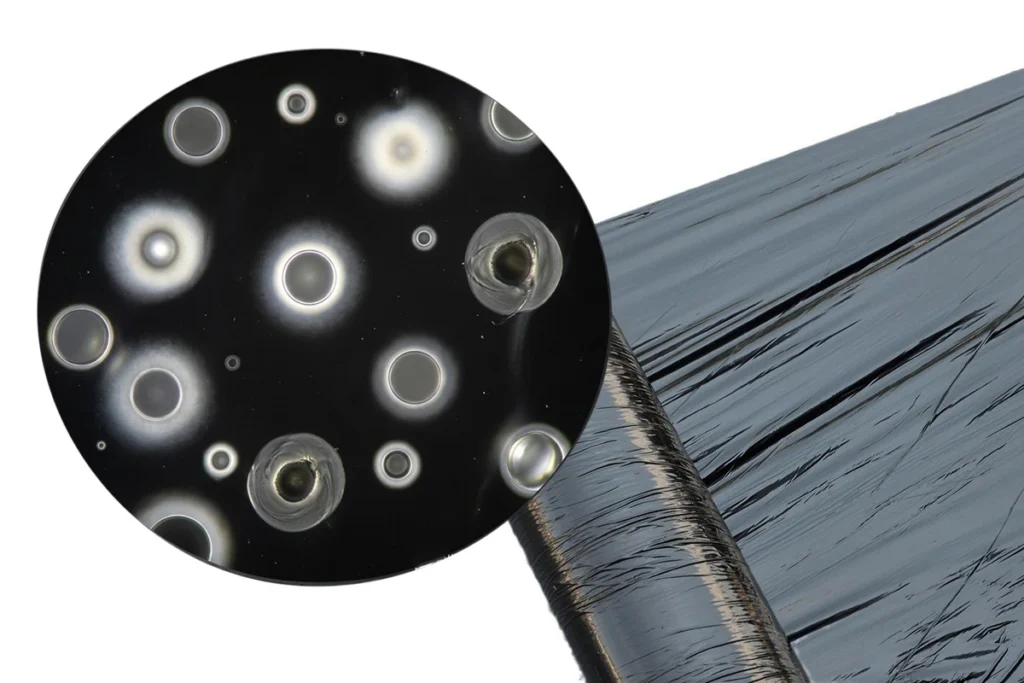
Haze measurements quantify light scattering through transparent films. Low gel content contributes to improved optical clarity. Food packaging applications particularly value films with properties low in haze and defects.

Clear SABIC PE film samples demonstrating optical properties and transparency grades

Cross-Reference Guide to Competitive Grades

Material engineers often need equivalent grades from alternative suppliers. Cross-referencing enables specification flexibility and supply chain resilience. SABIC PE grades have established equivalents across major polymer producers.

HDPE Cross-Reference Examples

  • SABIC HDPE 0950 approximates performance of injection molding grades from other suppliers with similar density and MFI
  • Blow molding grades compare to materials with equivalent stress crack resistance and parison sag characteristics
  • Pipe grades align with PE100 or PE80 classifications regardless of manufacturer

LLDPE and LDPE Equivalents

  • Film grades cross-reference based on density, MFI, and comonomer type specifications
  • Hexene-based LLDPE differs from butene or octene copolymers in processing behavior
  • LDPE general purpose grades typically used across multiple suppliers show interchangeability

Importance of Physical Testing for Validation

Cross-reference guides provide starting points rather than guaranteed equivalents. Material performance depends on specific application conditions. Engineers should conduct physical properties testing before full production conversion.

Sample evaluation reveals processing differences between nominally equivalent grades. Subtle variations in molecular weight distribution affect extrusion behavior. Trial runs identify any necessary parameter adjustments.

Cost Optimization: Finding Alternatives and Blending Strategies

Material costs represent significant manufacturing expenses. Strategic sourcing approaches reduce polyethylene procurement costs without compromising quality. Several proven methodologies deliver measurable savings.

Identifying Suitable Alternative Grades

Not every application requires premium-grade materials. Engineers often specify high-performance resins based on historical practice rather than current requirements. Performance analysis reveals down-specification opportunities.

SABIC offers grades spanning wide performance ranges within each density category. A thorough requirements review may identify lower-cost alternatives meeting actual needs. Even modest MFI differences can generate significant cost savings.

Film applications frequently over-specify stress crack resistance or impact strength. Production trials with alternative grades validate whether premium properties truly benefit the application. Many packaging films perform adequately with standard rather than enhanced grades.

Injection molding applications may not require exceptional low warpage characteristics. Parts with simple geometries tolerate standard flow resins. The price differential between standard and enhanced grades justifies specification review.

Alternative grade evaluation should include processing trials under actual production conditions. Laboratory testing provides initial guidance, but production validation confirms suitability. Small-scale trials minimize risk while proving cost-reduction concepts.

Regional Grade Availability Considerations

SABIC manufactures polyethylene across multiple global facilities. Certain grades enjoy better availability in specific regions. Sourcing locally-produced materials often yields cost advantages through reduced freight and import duties.

Saudi Arabia-based production serves Middle East markets with favorable logistics. Regional sourcing reduces lead times and inventory carrying costs. Supply chain efficiency contributes as much to total cost as material pricing.

Strategic Blending for Property Optimization

Polymer blending creates custom material profiles from commodity base resins. This technique balances performance with economics effectively. Processors combine different grades to achieve target properties at optimized costs.

Blending high and low MFI materials modulates flow properties precisely. This enables fine-tuning processing characteristics without purchasing specialized grades. The approach works particularly well for injection molding and extrusion applications.

Industrial blending equipment mixing different SABIC PE grades for custom formulations

Density blending adjusts stiffness and impact balance. Combining HDPE and LLDPE grades yields intermediate performance profiles. Film producers use this technique to optimize dart impact while maintaining adequate stiffness.

Blending Ratio Calculation Methodology

Target property achievement requires proper blend ratio calculations. Simple linear interpolation provides first approximations for most properties. Density and MFI generally follow predictable blending rules.

More complex properties like stress crack resistance may exhibit non-linear blending behavior. Small-scale testing validates theoretical calculations. Adjustments ensure final blends meet all performance requirements.

Blending different polymer families requires careful evaluation. HDPE and LDPE blends may phase separate or exhibit unexpected behavior. Stick to blending within the same density polyethylene family for predictable results. Always verify blend compatibility through testing.

Additive Package Optimization Strategies

Standard SABIC PE grades include baseline stabilization packages. Applications with specific requirements may benefit from custom additive formulations. Working with compounding specialists enables tailored solutions.

UV stabilization levels vary based on outdoor exposure expectations. Agricultural films demand robust UV packages for season-long performance. Indoor packaging films require only minimal stabilization. Matching additive package to actual needs prevents over-specification.

Antioxidant and Processing Stabilizer Selection

Long-term thermal aging requires appropriate antioxidant systems. Pipe applications spanning fifty-year service lives justify premium stabilization. Short-lifecycle packaging may utilize more economical additive packages.

Processing stabilizers protect materials during high-temperature conversion. Multiple extrusion passes or extended melt residence times necessitate enhanced stabilization. Single-pass film extrusion tolerates reduced processing stabilizer levels.

Volume Purchasing and Contract Negotiations

Polyethylene pricing correlates with purchase volume. Larger commitments unlock preferential pricing tiers. Annual contracts provide price stability and supply security simultaneously.

Consolidating purchases across multiple grades leverages total volume. Suppliers value customers presenting substantial aggregate business. This negotiating position yields better terms than fragmented small-lot purchases.

    Cost Reduction Strategies

  • Evaluate alternative grades with similar performance profiles
  • Implement strategic blending programs for custom properties
  • Optimize additive packages to match actual requirements
  • Negotiate volume-based pricing contracts
  • Source regionally-produced materials when feasible
  • Conduct regular specification reviews to prevent over-specification

    Performance Validation Steps

  • Request samples of alternative grades for evaluation
  • Conduct processing trials under production conditions
  • Test physical properties of blended formulations
  • Verify end-use performance through application testing
  • Document cost savings and performance equivalency
  • Implement gradual transitions to minimize risk

    Common Pitfalls to Avoid

  • Switching grades without adequate testing validation
  • Blending incompatible polymer families
  • Over-optimizing cost at expense of quality
  • Ignoring processing equipment limitations
  • Neglecting supply chain reliability factors
  • Failing to document specification changes properly

Recycled Content Integration Opportunities

Post-consumer recycled polyethylene offers cost advantages in suitable applications. Material quality has improved dramatically through advanced sorting and cleaning technologies. Certain products accommodate recycled content without performance compromise.

Blending virgin SABIC PE grades with quality recycled material maintains acceptable property levels. Many non-critical applications tolerate substantial recycled content percentages. This strategy combines cost reduction with sustainability benefits.

Quality Control for Recycled Material Programs

Recycled polyethylene quality varies by source and processing. Incoming material inspection ensures consistency and cleanliness. Establishing supplier qualification programs maintains quality standards.

Physical properties testing validates recycled material performance. Tensile strength, impact resistance, and melt flow require regular monitoring. Consistent testing catches quality issues before affecting production.

Discover Your Cost Optimization Potential

Our material specialists analyze your current specifications and identify cost reduction opportunities. Receive a customized report showing alternative grades, blending strategies, and projected savings. The consultation service costs nothing and could reduce your material spend significantly.

Sourcing SABIC PE: Why Choose Us

Material sourcing decisions extend beyond simple price comparisons. Reliable supply partners provide value through consistent quality, responsive support, and supply chain expertise. Several factors distinguish superior polyethylene suppliers.

Quality Assurance and Material Traceability

Every SABIC PE shipment arrives with complete certification documentation. Certificate of Analysis reports verify all critical specifications. Material traceability extends from production lot through final delivery.

Our quality management system maintains ISO certification standards. Incoming material inspection confirms supplier certifications. Statistical process control monitors consistency across deliveries.

Full batch traceability enables rapid response to any quality concerns. Production records link finished products back to specific material lots. This documentation proves critical for regulated industries like food packaging.

Quality control laboratory testing SABIC PE grades with certification documents

Regulatory Compliance Documentation

Food contact applications demand materials meeting FDA and EU regulations. SABIC produces grades specifically formulated for food packaging use. Complete regulatory support documentation accompanies these materials.

Medical device applications require USP Class VI certifications. Drinking water pipe grades comply with NSF standards. Our technical team assists with regulatory requirements navigation.

Technical Support and Application Development

Material selection complexity increases with application sophistication. Our technical specialists provide expert guidance throughout the development process. Years of polymer experience translate into practical problem-solving assistance.

Processing optimization support helps customers maximize productivity. Troubleshooting assistance resolves production challenges quickly. This technical partnership extends beyond simple material supply.

4.8
Customer Satisfaction Rating
Material Quality Consistency
4.8/5
Technical Support Responsiveness
4.7/5
Delivery Reliability
4.8/5
Competitive Pricing
4.5/5
Documentation Accuracy
4.9/5

Application Development Collaboration

New product development benefits from early material supplier involvement. Our team assists with initial grade selection based on performance requirements. Prototyping support accelerates development timelines.

Production scale-up guidance prevents common pitfalls during commercialization. Processing parameter recommendations optimize first-production runs. This collaborative approach reduces time-to-market significantly.

Supply Chain Reliability and Inventory Management

Manufacturing schedules demand predictable material availability. We maintain strategic inventory positions across commonly-specified grades. This stock availability eliminates supply disruptions that halt production.

Just-in-time delivery programs synchronize material arrivals with production schedules. Reduced on-site inventory carrying costs improve working capital efficiency. Flexible delivery scheduling accommodates changing production plans.

Modern warehouse facility storing SABIC PE grades with organized inventory management

Geographic Coverage and Logistics Expertise

Our distribution network spans the entire Middle East region. Multiple warehouse locations ensure rapid delivery across Saudi Arabia. Regional presence enables responsive service that distant suppliers cannot match.

Logistics expertise handles import documentation and customs clearance. Transportation arrangements utilize optimal routing for cost efficiency. Customers receive materials when needed without supply chain complications.

Competitive Pricing and Payment Flexibility

Volume purchasing power with SABIC enables competitive pricing. These savings pass through to customers across all order sizes. Transparent pricing structures eliminate hidden fees and surcharges.

Flexible payment terms accommodate various business requirements. Established customers access credit arrangements appropriate to their purchasing patterns. Financial terms support rather than hinder business growth.

Consistent Quality

ISO-certified quality systems ensure every shipment meets specifications. Complete traceability and documentation provide confidence in material consistency.

Technical Expertise

Experienced polymer specialists provide application support and processing guidance. Expert assistance helps optimize material selection and production efficiency.

Reliable Supply

Strategic inventory positions and efficient logistics guarantee material availability. Production schedules remain uninterrupted by supply chain issues.

Competitive Value

Volume purchasing advantages translate into favorable pricing. Comprehensive service adds value beyond simple material cost.

Regional Presence

Local warehouse network enables rapid delivery across Saudi Arabia and the Middle East. Geographic proximity supports responsive customer service.

Partnership Approach

Long-term customer relationships built on mutual success. Collaborative problem-solving addresses challenges as they arise.

Sustainability and Environmental Stewardship

SABIC pursues ambitious sustainability goals across its operations. Circular economy initiatives include mechanical and advanced recycling programs. Customers benefit from access to sustainable material options.

We support customer sustainability objectives through material selection guidance. Lightweighting opportunities reduce material consumption and transportation emissions. Recycled content integration strategies balance performance with environmental responsibility.

Carbon Footprint Reduction Programs

Material carbon footprints vary based on production technology and feedstock. SABIC invests in renewable energy and production efficiency improvements. These efforts reduce lifecycle environmental impacts.

Transportation optimization minimizes supply chain emissions. Regional sourcing from Saudi production facilities reduces shipping distances. Efficient logistics planning consolidates shipments for better vehicle utilization.

“Switching to this supplier transformed our material sourcing experience. Technical support helped us optimize our film formulation, reducing costs by fifteen percent while improving performance. Delivery reliability means we carry less safety stock, freeing up working capital.”

— Operations Manager, Food Packaging Manufacturer

Get a Quick Quote and Request Samples

Starting your SABIC PE sourcing journey requires only a simple inquiry. Our team responds to quote requests within twenty-four hours. Sample shipments arrive quickly to support your evaluation process.

Streamlined Quote Request Process

Requesting pricing information takes just minutes. Provide basic application details and volume requirements. Our team analyzes your needs and recommends optimal grade selections.

Customer service representative assisting with SABIC PE grade selection and quote preparation

Detailed quotations include material specifications and delivery terms. Transparent pricing covers all costs without hidden fees. Alternative grade options present cost-optimization opportunities.

Technical data sheets accompany quotations for comprehensive evaluation. Safety data sheets ensure proper material handling procedures. Complete documentation supports informed purchasing decisions.

Volume-Based Pricing Transparency

Pricing scales with purchase volume predictably. Clear tier structures show exactly how larger commitments reduce unit costs. This transparency enables accurate budgeting and cost planning.

Annual contract options lock in favorable pricing. Volume commitments across multiple grades aggregate for better pricing tiers. Strategic purchasing maximizes material budget effectiveness.

Sample Request and Evaluation Support

Material samples enable hands-on evaluation before production commitments. We ship sample quantities sufficient for comprehensive testing. Multiple grades ship together for direct comparison.

Sample pellets arrive with complete technical documentation. Processing guidelines help optimize evaluation trials. Our technical team remains available throughout testing to answer questions.

Include specific technical requirements, timeline expectations, or special considerations

Technical Consultation Scheduling

Complex applications benefit from detailed technical discussions. Schedule consultations with our polymer specialists to explore requirements thoroughly. These conversations uncover optimization opportunities and prevent specification mistakes.

Virtual meetings accommodate busy schedules efficiently. Screen sharing enables collaborative review of technical data. In-person visits to customer facilities provide deeper application understanding.

Technical consultation meeting discussing SABIC PE grade selection with material samples

Application Development Support Services

New product launches receive dedicated technical support. Our team assists with material selection, processing development, and production optimization. This collaborative approach accelerates successful commercialization.

Prototyping support includes processing trials and physical testing. Performance validation ensures materials meet application requirements before full production. Risk reduction through thorough development saves time and money.

Multiple Contact Channels for Your Convenience

Reach our team through your preferred communication method. Phone support provides immediate assistance during business hours. Email inquiries receive responses within one business day.

Ready to Source SABIC PE Grades?

Contact our material experts today for personalized assistance. Whether you need a quick quote, technical consultation, or sample evaluation, we provide responsive support. Experience the difference of working with a committed polymer supply partner.

What Happens After You Contact Us

Our response process follows a structured timeline. Initial acknowledgment arrives within two hours during business hours. Detailed responses with pricing or technical information follow within twenty-four hours.

Customer Success Stories

Packaging converter reduced material costs eighteen percent through alternative grade implementation. Our technical team identified equivalent SABIC PE grades meeting all performance requirements. Annual savings exceeded initial projections.

Pipe manufacturer improved processing efficiency with optimized HDPE grade selection. Consultation revealed better molecular weight distribution match for their equipment. Production rates increased twelve percent while maintaining quality.

Successful manufacturing operation using SABIC PE grades showing quality production results

Film producer achieved sustainability goals incorporating recycled content. Strategic blending maintained performance while adding thirty percent recycled polyethylene. Environmental and cost benefits exceeded expectations.

Frequently Asked Questions About SABIC PE Grades

What density polyethylene grade works best for injection molding applications?

SABIC HDPE grades with densities between 0.950 and 0.960 g/cm³ excel in injection molding. These materials provide high stiffness, good dimensional stability, and low warpage characteristics. MFI selection depends on part complexity and wall thickness. Thin-walled parts require higher flow grades, while thick sections perform well with lower MFI materials. SABIC HDPE 0950 serves as an excellent general-purpose injection molding grade balancing processability with mechanical performance.

How does molecular weight distribution affect film extrusion performance?

Broad molecular weight distribution enhances melt strength and bubble stability during blown film production. This characteristic enables higher output rates and better processing performance. Materials with broader distributions typically used in film extrusion provide superior parison formation in blow molding as well. However, narrow molecular weight distribution grades deliver better optical properties and surface finish. Film producers must balance these factors based on application priorities. SABIC formulates grades optimized for specific processing methods.

What makes certain SABIC PE grades suitable for food packaging?

Food contact applications require materials meeting FDA and EU regulatory standards. SABIC produces specific grades formulated with food-safe additives and processing aids. These resins undergo regulatory testing confirming compliance with food contact requirements. Complete documentation including letters of compliance accompanies food-grade materials. The additive package contains only approved substances at permitted levels. Material selection for food packaging must consider both performance requirements and regulatory compliance simultaneously.

Can different SABIC PE grades be blended together successfully?

Blending SABIC PE grades within the same density family generally produces predictable results. Combining HDPE grades with varying MFI values modulates flow properties effectively. LLDPE blending adjusts mechanical property balance between stiffness and impact strength. However, blending HDPE with LDPE may cause processing difficulties due to different molecular architectures. Always conduct small-scale trials validating blend performance before production implementation. Properties like density and MFI follow linear mixing rules, while stress crack resistance may behave non-linearly.

What stress crack resistance level do chemical containers require?

Chemical containers demand excellent stress crack resistance to withstand aggressive environments. SABIC blow molding grades engineered for this application provide ESCR values exceeding 1000 hours in standard testing. Good stress crack resistance prevents premature failure when containers contact detergents, oils, or cleaning agents. Material selection should consider specific chemical exposure expected during use. SABIC technical data sheets specify ESCR performance for each grade. Applications involving sustained stress under chemical exposure require materials specifically formulated for environmental stress crack resistance.

How do SABIC PE pipe grades achieve fifty-year service life ratings?

PE100 designation indicates materials meeting minimum required strength for fifty-year extrapolated performance. SABIC pipe grades undergo long-term hydrostatic strength testing per international standards. The resin formulation includes stabilization packages protecting against thermal and oxidative degradation. Molecular architecture provides excellent stress crack resistance under soil stress conditions. Proper installation and operating within rated pressure limits ensure actual service life matches projections. PE100 grades represent the highest performance classification for polyethylene pressure pipe applications.

What advantages do TNPP free SABIC grades offer?

TNPP free formulations eliminate tris-nonylphenyl phosphite, a processing stabilizer raising environmental concerns. These grades use alternative stabilization systems providing equivalent processing protection. Many customers prefer TNPP free materials for sustainability and regulatory reasons. The performance characteristics remain comparable to conventional formulations. SABIC offers TNPP free options across multiple product families. Material selection based on end-use requirements rather than stabilizer system typically yields best results, though TNPP free preferences are easily accommodated.

How does comonomer selection affect LLDPE properties?

SABIC produces LLDPE using various comonomers including butene, hexene, and octene. Longer comonomer chains generally provide better film properties and impact strength. Hexene-based LLDPE offers excellent dart impact and tear resistance for film applications. Octene copolymers deliver enhanced low-temperature performance. Butene-based materials provide good balance of properties at competitive pricing. The comonomer type influences processing behavior, with longer comonomers typically providing smoother extrusion. Material selection should consider both performance requirements and processing equipment capabilities.

What causes low gel content, and why does it matter?

Low gel count results from careful production control minimizing polymer cross-linking and contamination. Gels appear as hard particles or specks in processed parts, particularly visible in films. Properties low in gel content deliver superior optical clarity and surface appearance. Film applications especially benefit from materials with minimal gel formation. SABIC controls polymerization conditions precisely to minimize gel creation. Food packaging and other appearance-critical applications require resins with low gel content for acceptable aesthetics and performance.

How do rotomolding grades differ from other SABIC LLDPE materials?

Rotomolding resins require specific particle size distribution and flow characteristics. These grades typically used in rotational molding feature controlled MFI enabling uniform powder flow and sintering. The materials provide excellent impact strength even in thick-walled parts. SABIC rotomolding grades deliver good stress crack resistance for tank applications. Powder flow properties ensure consistent coating during the rotation cycle. These specialized formulations optimize the unique requirements of rotomolding rather than serving general-purpose applications.

Advanced Application Insights and Processing Guidelines

Successful material implementation requires understanding beyond basic specifications. Processing parameters significantly impact final part quality. This section explores advanced considerations for optimizing SABIC PE performance.

Injection Molding Parameter Optimization

Melt temperature selection balances flow behavior with thermal degradation risk. SABIC HDPE grades typically process between 200-240°C depending on MFI. Higher temperatures improve flow but may reduce molecular weight through thermal breakdown.

Injection speed affects surface finish and dimensional accuracy. Faster injection reduces cycle time but may cause flow marks or jetting. SABIC materials with good processing performance tolerate wider parameter windows. This processing latitude simplifies production optimization.

Injection molding machine producing parts from SABIC HDPE with parameter controls visible

Mold temperature influences part crystallinity and dimensional stability. Warmer molds increase crystallization, enhancing stiffness but potentially causing greater shrinkage. Cold molds speed cycle times but may reduce impact strength. Temperature optimization depends on part geometry and performance priorities.

Addressing Low Warpage Requirements

Low warpage characteristics depend on material properties and processing control. SABIC grades with balanced flow reduce orientation-induced warpage. Uniform cooling through proper mold temperature control minimizes differential shrinkage.

Part design significantly affects warpage tendency. Uniform wall thickness prevents uneven cooling rates. Gate location and runner design influence flow patterns affecting final dimensions. Material selection and processing optimization work together achieving low warpage objectives.

Film Extrusion Processing Best Practices

Blown film extrusion requires careful balance of processing variables. Die temperature affects bubble initiation and stability. SABIC LLDPE film grades typically extrude at 190-220°C depending on formulation and equipment.

Blow-up ratio determines film thickness and orientation. Higher ratios improve transverse direction properties but may reduce output rates. SABIC materials with high melt strength accommodate aggressive blow-up ratios. This enables productivity gains through reduced film thickness.

Optimizing Film Optical Properties

Film clarity depends on cooling rate and crystallinity. Rapid air cooling produces smaller crystalline structures with better transparency. SABIC grades formulated for high gloss contain additives enhancing surface smoothness.

Haze measurements quantify light scattering through films. Lower haze values indicate superior clarity. Material selection and processing conditions both influence final optical properties. Food packaging applications particularly value excellent clarity.

Achieving High Output Film Production

Production rate optimization balances throughput with quality. SABIC PE grades with excellent processability enable higher output without sacrificing performance. Good processing performance translates directly into manufacturing efficiency.

Line speed limitations often relate to cooling capacity rather than material properties. High melt strength materials maintain bubble stability at elevated outputs. This characteristic enables productivity improvements in existing equipment.

Blow Molding Process Considerations

Parison programming controls wall thickness distribution in blow molded parts. SABIC blow molding grades exhibit predictable parison sag characteristics. This enables precise programming achieving uniform wall thickness.

Die swell affects parison diameter and subsequent part dimensions. Materials with broad molecular weight distribution show greater die swell. This characteristic requires adjustment during process setup but provides benefits in melt strength.

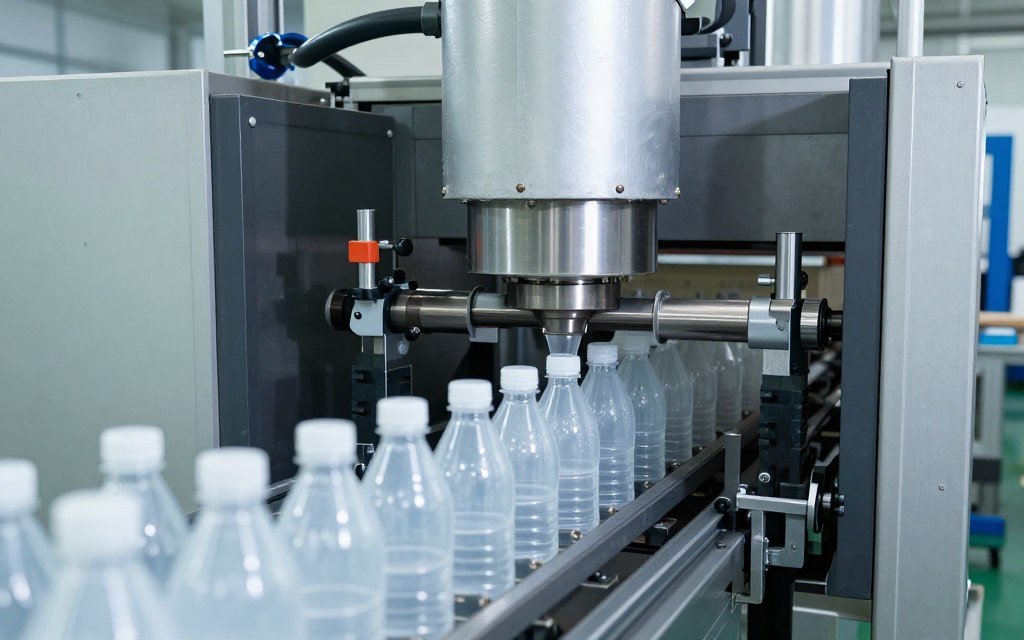
Blow molding production line creating bottles from SABIC HDPE resin

Container Performance Testing

Drop impact testing validates container durability under shipping conditions. SABIC blow molding grades deliver consistent impact strength across temperature ranges. This ensures reliable performance from production through end-use.

Top load strength determines stacking capability during storage and distribution. Material stiffness and part design both contribute to top load performance. SABIC HDPE grades provide high rigidity supporting demanding stacking requirements.

Troubleshooting Common Processing Challenges

Surface defects often trace to contamination or processing parameter issues. Regular purging prevents material degradation during extended production runs. SABIC PE grades resist thermal degradation under proper processing conditions.

Dimensional inconsistency usually results from inadequate process control. Temperature fluctuations cause variations in material flow and cooling rates. Maintaining tight parameter control ensures consistent part quality.

Never blend materials from different density families without extensive testing. HDPE and LDPE combinations may phase separate causing processing problems and unpredictable performance. Restrict blending to same-family materials for reliable results.

Sustainability Initiatives and Circular Economy Integration

Environmental responsibility increasingly influences material selection decisions. SABIC pursues comprehensive sustainability programs across its polyethylene portfolio. These initiatives enable customers to meet their own environmental objectives.

Certified Circular Content Materials

SABIC offers PE grades incorporating certified circular content from chemical recycling. These materials perform identically to virgin resins while reducing fossil feedstock consumption. Mass balance certification ensures circular content claims meet rigorous standards.

Mechanical recycling programs convert post-consumer polyethylene back into useful materials. Quality improvements in recycling technology enable higher recycled content percentages. Many applications accommodate substantial recycled material without performance compromise.

Sustainable polyethylene production showing recycled content integration in SABIC facilities

Carbon Footprint Reduction Through Material Selection

Lightweighting strategies reduce material consumption and transportation energy. Thinner films with equivalent performance lower overall environmental impact. SABIC high-performance grades enable down-gauging across multiple applications.

Production efficiency improvements reduce manufacturing energy intensity. SABIC PE grades with good processing performance enable higher output rates. This productivity improvement translates into reduced energy per unit produced.

Renewable Feedstock Integration

Bio-based polyethylene uses renewable feedstocks instead of fossil resources. These materials exhibit identical performance to conventional PE grades. Carbon footprint improvements come from renewable rather than petroleum-based carbon sources.

SABIC invests in renewable feedstock development and commercialization. Mass balance approaches enable gradual transition toward renewable content. Customers benefit from environmental improvements without technical risk.

Design for Recycling Considerations

Material selection affects end-of-life recycling potential. Mono-material structures recycle more easily than complex multilayer constructions. SABIC offers PE grades suitable for recyclable packaging designs.

Additive selection influences recycling compatibility. Certain colorants or fillers complicate recycling processes. SABIC technical team provides guidance on recyclability-friendly formulation choices.

    Sustainability Benefits

  • Certified circular content reduces virgin material consumption
  • Lightweighting decreases material usage and transportation emissions
  • Mechanical recycling extends material useful life
  • Bio-based options utilize renewable feedstocks
  • Design for recycling improves end-of-life outcomes
  • Production efficiency reduces manufacturing energy intensity

    Implementation Strategies

  • Evaluate circular content grades for existing applications
  • Conduct lightweighting trials to reduce material consumption
  • Integrate quality recycled content where performance permits
  • Simplify packaging structures for better recyclability
  • Partner with suppliers pursuing sustainability goals
  • Document and communicate environmental improvements

    Common Challenges

  • Recycled content quality variability requires management
  • Lightweighting may require equipment modifications
  • Circular content materials may carry price premiums
  • Performance validation testing adds development time
  • Supply availability varies by region and grade
  • Regulatory approval may be required for changes

Global Industry Standards and Regulatory Compliance

SABIC PE grades meet international quality and safety standards. Understanding regulatory requirements ensures appropriate material selection. Compliance documentation supports customer regulatory submissions.

Food Contact Regulations and Certifications

FDA regulations govern food contact materials in the United States. SABIC food-grade PE materials comply with relevant FDA requirements. Complete regulatory support letters document this compliance.

European food contact regulations impose similar but distinct requirements. SABIC provides materials meeting both FDA and EU standards. This dual compliance simplifies material selection for global markets.

Food grade certification documents and testing for SABIC PE grades

Drinking Water Pipe Certifications

NSF International certifies materials for drinking water contact. SABIC PE100 and PE80 pipe grades carry appropriate NSF certifications. These approvals enable use in municipal water distribution systems.

National and regional standards specify minimum performance requirements. ISO 4427 defines PE pressure pipe classifications globally. SABIC pipe grades meet or exceed these international standards.

Pressure Rating and Service Life Documentation

Long-term hydrostatic strength testing establishes pressure ratings. PE100 designation requires specific minimum strength retention over time. SABIC provides complete testing documentation supporting fifty-year service life claims.

Installation standards complement material specifications. Proper fusion joining techniques ensure system integrity. SABIC technical support includes installation guidance and training resources.

Medical Device and Pharmaceutical Applications

USP Class VI certification indicates biocompatibility for medical applications. Certain SABIC PE grades undergo this rigorous testing protocol. Complete test reports support medical device manufacturer regulatory submissions.

Pharmaceutical packaging requires materials meeting compendia standards. SABIC offers grades suitable for pharmaceutical containers and closures. Regulatory support documentation facilitates drug packaging approvals.

Market Trends and Future Innovations in Polyethylene

The polyethylene industry continues evolving through technological advancement and market demand shifts. Understanding these trends informs strategic material selection decisions. SABIC invests significantly in innovation addressing future market needs.

Advanced Catalysis Technologies

Next-generation catalyst systems enable precise molecular architecture control. These technologies produce materials with narrow molecular weight distributions and unique property profiles. SABIC researches metallocene and other advanced catalyst platforms.

Single-site catalysts create polyethylene with exceptional property uniformity. Films produced from these materials exhibit outstanding optical properties and mechanical performance. Commercial adoption expands as production economics improve.

Research and development laboratory working on advanced SABIC PE formulations

Digitalization and Industry 4.0 Integration

Digital technologies transform polymer production and quality control. Real-time process monitoring enables tighter specification control. SABIC implements advanced analytics across manufacturing operations.

Supply chain digitalization improves material traceability and delivery reliability. Customers access real-time inventory and shipment information. Digital platforms streamline ordering and technical support interactions.

Predictive Modeling for Material Selection

Computational tools predict material performance in specific applications. These models reduce development time and testing requirements. SABIC develops digital resources supporting customer material selection processes.

Processing simulation software optimizes manufacturing parameters before physical trials. This virtual development accelerates commercialization while reducing costs. Digital twin technologies may revolutionize polymer application development.

Evolving Regulatory Landscape

Environmental regulations increasingly affect material selection and use. Extended producer responsibility programs drive design for recycling initiatives. SABIC monitors regulatory developments globally to ensure compliance.

Single-use plastic regulations vary by region and application. Some markets restrict certain polyethylene applications while others remain unrestricted. Material suppliers must navigate this complex regulatory environment.

Chemical safety regulations continue evolving worldwide. REACH in Europe and TSCA in the United States impose registration and safety requirements. SABIC maintains comprehensive regulatory compliance across all markets.

Making Informed SABIC PE Grade Selection Decisions

Polyethylene material selection balances technical performance with economic considerations. SABIC’s comprehensive grade portfolio addresses diverse application requirements. Understanding material properties and processing characteristics enables optimal selection.

This guide examined SABIC PE grades across all major density categories. Technical specifications provide the foundation for engineering decisions. Application examples demonstrate how different grades serve specific market needs.

Cost optimization strategies deliver significant savings without compromising quality. Alternative grade evaluation and strategic blending create economic advantages. Volume purchasing and supply chain optimization contribute additional value.

Reliable sourcing partners provide more than commodity materials. Technical support, supply chain expertise, and responsive service differentiate superior suppliers. Quality assurance and regulatory compliance documentation ensure material consistency.

Successful SABIC PE application showing quality finished products across multiple industries

Sustainability considerations increasingly influence material decisions. SABIC pursues circular economy initiatives and carbon footprint reduction. These programs enable customers to meet environmental objectives while maintaining performance.

The polyethylene industry continues advancing through innovation and technology. New catalyst systems, digital tools, and processing methods expand application possibilities. Staying informed about these developments maintains competitive advantage.

Success requires partnership between material suppliers and end users. Collaborative problem-solving addresses challenges efficiently. Technical expertise combined with responsive service creates value throughout the product lifecycle.

Partner With PE Material Experts

Transform your polyethylene sourcing experience through expert guidance and reliable supply. Our team brings decades of polymer industry experience to your material selection challenges. Discover how proper material selection and supplier partnership improve both product performance and profitability.

Material selection represents just one component of manufacturing success. Processing optimization, quality control, and continuous improvement drive long-term competitiveness. SABIC PE grades provide the performance foundation supporting these broader objectives.

The information presented equips technical buyers with knowledge for informed decisions. Whether selecting materials for new applications or optimizing existing processes, understanding SABIC PE grades enables better outcomes. Apply these insights to your specific requirements for improved results.

finding the right polymer supplier?

We’re here to help. Don’t hesitate to reach out—we’re ready to support you in building your dreams. Start today and create a better tomorrow.

Related Posts

get in touch