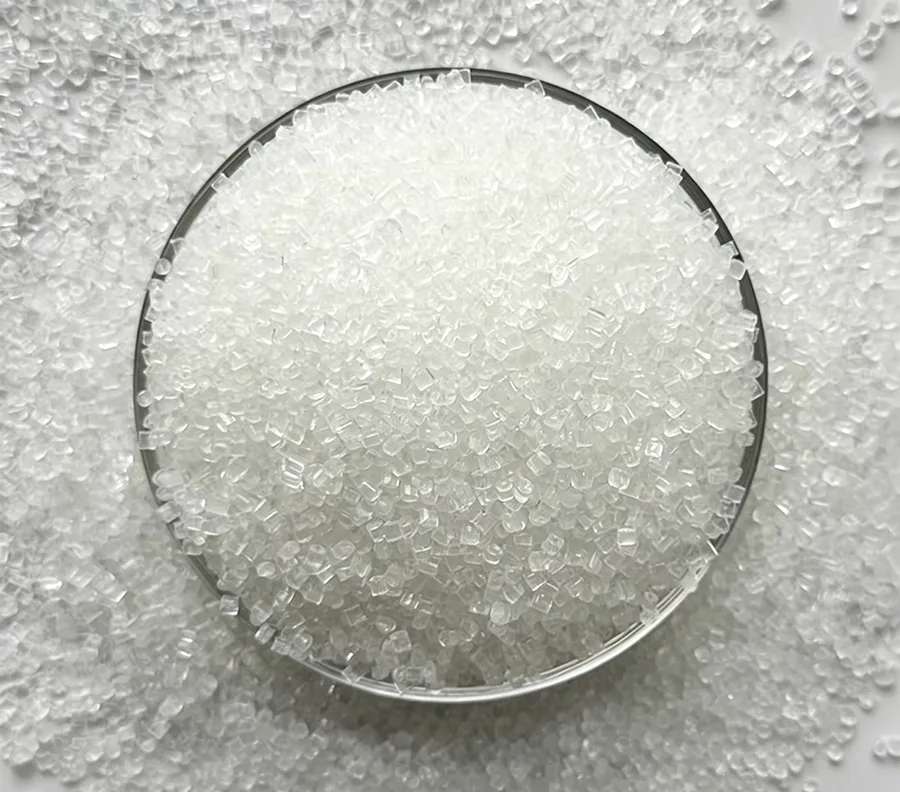
Understanding melting points and thermal behavior is critical for ensuring reliable manufacturing and high-quality results. Because every polymer responds uniquely to heat, these thermal properties dictate how materials are shaped, formed, and utilized across diverse industrial applications.
Precise temperature control is the boundary between high-performance parts and production failure. For engineers and procurement teams, access to accurate melting point data and consistent thermal profiles is essential for selecting the right resin and optimizing processing parameters. We prioritize material purity to ensure stable melting ranges, helping you achieve repeatable precision in every production cycle.
What is the Melting Point of Plastic?
To understand thermal behavior, one must first clarify: is polymer plastic? In an industrial context, the terms are often used interchangeably, though “plastic” specifically refers to a finished material composed of a wide range of synthetic or semi-synthetic organic compounds. The Melting Point (Tm) is the temperature at which a solid polymer transitions into a flowable melt as thermal energy overcomes the intermolecular forces holding the polymer chains together. In industrial processing, this is the critical threshold where the resin becomes workable for injection molding or extrusion.
Understanding the Solid-to-Liquid Transition
Unlike pure metals, most plastics do not melt at a single, sharp temperature. Instead, they soften across a specific range. As heat increases, polymer chains gain mobility, moving the material from a rigid state to a viscous, rubbery melt.
- Crystalline & Semi-Crystalline Plastics: Exhibit a relatively distinct melting point (Tm) as ordered molecular structures collapse.
- Amorphous Plastics: Lack a true melting point; they gradually soften after passing their Glass Transition Temperature (Tg).
Key Factors Influencing Thermal Behavior
Several variables determine how a resin will behave inside your heating barrel:
- Molecular Weight & Chain Structure: Longer polymer chains and higher molecular weights generally increase the melting point. Consistency in the Molecular Weight Distribution (MWD) of your raw material is vital for maintaining a stable melt flow and preventing “unmelted” defects or flash.
- Crystallinity: Highly crystalline polymers require more energy to melt but offer sharper transitions, which is essential for fast cycling in high-volume injection molding.
- Chemical Composition: The presence of polar groups or aromatic rings increases intermolecular attraction, raising the thermal resistance of the material.
- Additives & Reinforcements: * Plasticizers can lower the required processing temperature to prevent degradation of heat-sensitive resins.
- Fillers/Reinforcements (like Carbon Fiber or Glass) improve heat deflection and structural stability at elevated temperatures.
Processing Insight: Melting vs Degradation
It is crucial to distinguish between the Processing Temperature and the Degradation Temperature. Many high-performance resins can begin to oxidize or undergo chain scission if held at their melting point for too long.
We provide resins with optimized thermal stability and high purity. This ensures a predictable melting profile, reducing the risk of thermal degradation and minimizing carbonization issues in your nozzles and screws.
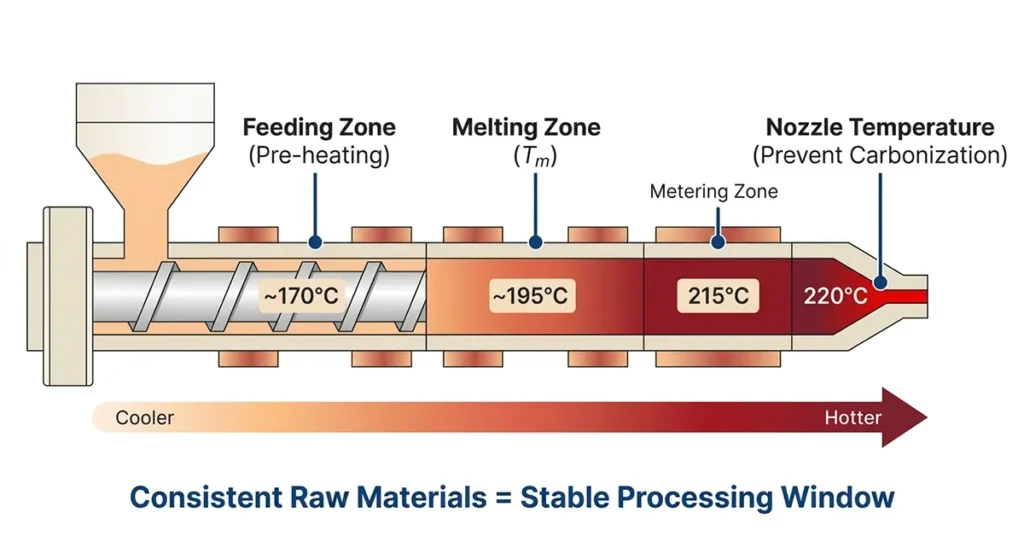
Important Note: Many plastics can begin to degrade before reaching their theoretical melting point; always apply temperature control that avoids thermal degradation during processing.
Why is the Melting Temperature of Plastic So Important?
Precise temperature management is the cornerstone of high-efficiency plastic manufacturing. Beyond simply “melting” the resin, accurate thermal control dictates the material’s flow behavior, which directly impacts dimensional precision, cycle times, and the overall mechanical integrity of the finished part.
Impact on Industrial Processing
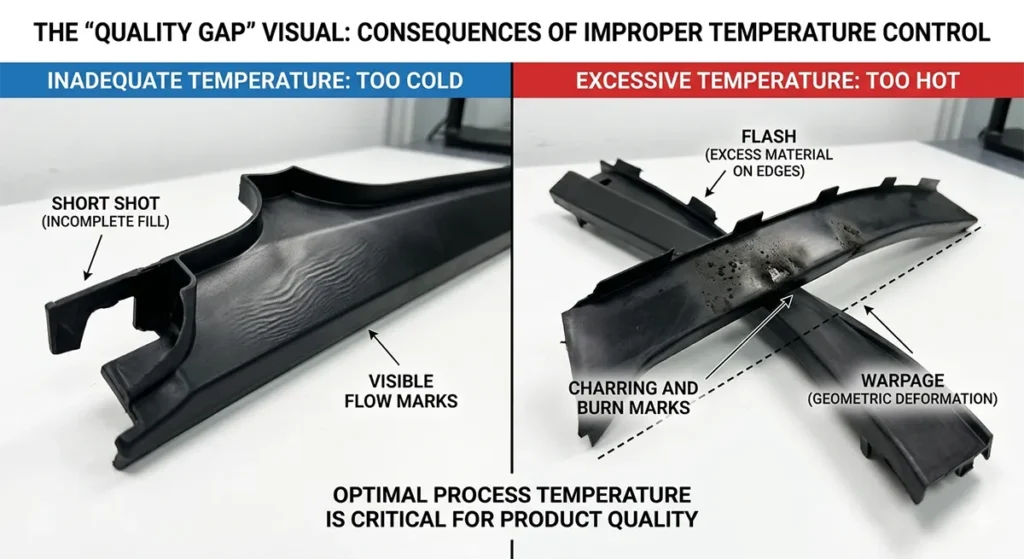
- In Injection Molding: Temperature consistency ensures a complete and uniform melt. If the temperature is too low, you risk Short Shots and poor surface finish; if too high, the polymer undergoes Thermal Degradation, compromising both strength and aesthetics. Correct thermal balancing also minimizes Internal Stress, reducing post-mold warpage.
- In Extrusion: Stable melt viscosity is essential for uniform profiles and wall thickness. By matching barrel temperatures to the polymer’s specific melting characteristics, manufacturers can ensure a steady, surge-free output through the die.
Strategic Benefits of Thermal Control
Optimizing your processing temperatures leads to measurable improvements in your bottom line:
- Lower Scrap Rates: Reduces defects like flash, silver streaks, and charring.
- Faster Cycle Times: Optimized heating and cooling phases increase hourly throughput.
- Energy Efficiency: Selecting resins with consistent thermal profiles allows for lower operating temperatures and reduced carbon footprints.
Material Selection & Application Requirements
Choosing the right resin requires balancing the environment’s service temperature with the material’s melting point. The Tm must provide a sufficient safety margin to prevent softening during end-use.
| Application Type | Required Temp Resistance | Suitable Materials | Key Considerations |
| Automotive Interior | 80°C – 120°C | PP, ABS, PC/ABS | Heat deflection, UV stability |
| Electronics Housings | 100°C – 150°C | PC, High-Heat ABS | Flame retardancy, component heat |
| Food Packaging | 60°C – 110°C | PP, PET, HDPE | Microwave safety, FDA compliance |
| Industrial Parts | 150°C – 250°C | PA6/66, PPS, PEEK | Chemical resistance, long-term load |
| Medical Devices | 120°C – 145°C | PC, PPSU, PEEK | Autoclave sterilization, biocompatibility |
Energy Efficiency & Cost Management
We understand that energy is a significant overhead in plastic processing. Resins with high purity and predictable melting behaviors allow for a tighter processing window. This consistency means your machines don’t need “excessive heat” to compensate for batch-to-batch variations, directly lowering your electricity costs and preventing nozzle carbonization.
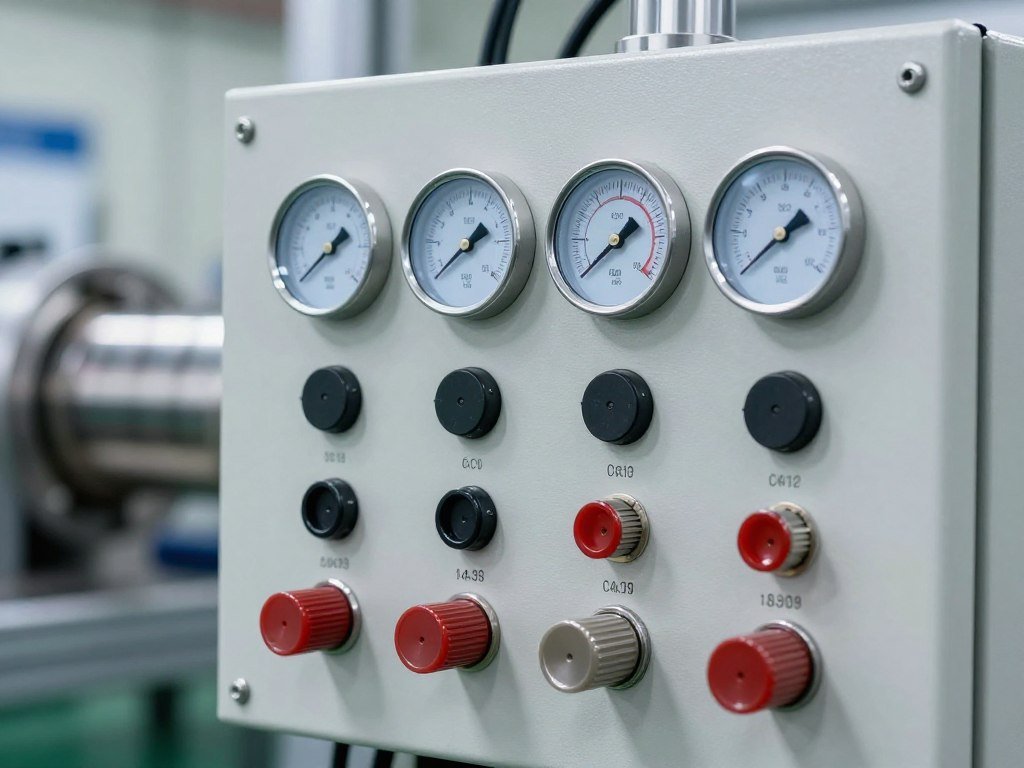
Pro Tip: Always monitor the “Melt Temperature” (actual temperature of the plastic) rather than just the “Set Temperature” on the control panel to ensure true processing stability.
Need Help Selecting the Right Plastic Material?
Our materials engineering team offers concise consultation on material selection and temperature control to optimize processing and part performance.
What is the Melting Point for Different Plastic Materials?
Understanding the melting point is the first step in optimizing your cycle times and part quality. Below is a categorized breakdown of common resins, their thermal thresholds, and critical processing insights.
Commodity Plastics (General Purpose)
These materials are the workhorses of the packaging and consumer goods industries, characterized by lower melting points and ease of processing.
- Polyethylene (PE):
- LDPE: 105℃ – 115℃ (221℉ – 239℉)
- HDPE: 120℃ – 135℃ (248℉ – 275℉)
- LLDPE: 120℃ – 125℃ (248℉ – 257℉).
- Note: Branching differences between LDPE and HDPE significantly impact mold shrinkage and cycle times.
- Polypropylene (PP): ~ 160℃ – 165℃ (320℉} – 329℉). Isotactic PP offers higher crystallinity, while copolymers provide better impact resistance with a slightly lower melting threshold.
Polystyrene (PS): Amorphous; processes between 180℃ – 240℃. GPPS and HIPS are favored for their ease of processing and dimensional stability in rigid packaging.
Engineering Plastics (High Strength & Precision)
These resins require higher temperatures and offer superior mechanical properties for automotive, electronics, and precision industrial parts.
- Polyoxymethylene (POM/Acetal):
- Copolymer (POM-C): ~165℃. We focus on POM-C due to its superior thermal stability and resistance to base-catalyzed degradation compared to homopolymers.
- Polyamide (Nylon):
- Nylon 6: ~ 220℃ (428℉)
- Nylon 6/6: ~ 260℃ (500℉)
- Critical Note: Nylon is highly hygroscopic. It must be dried to a moisture level below 0.2% before processing to avoid hydrolysis and brittle defects.
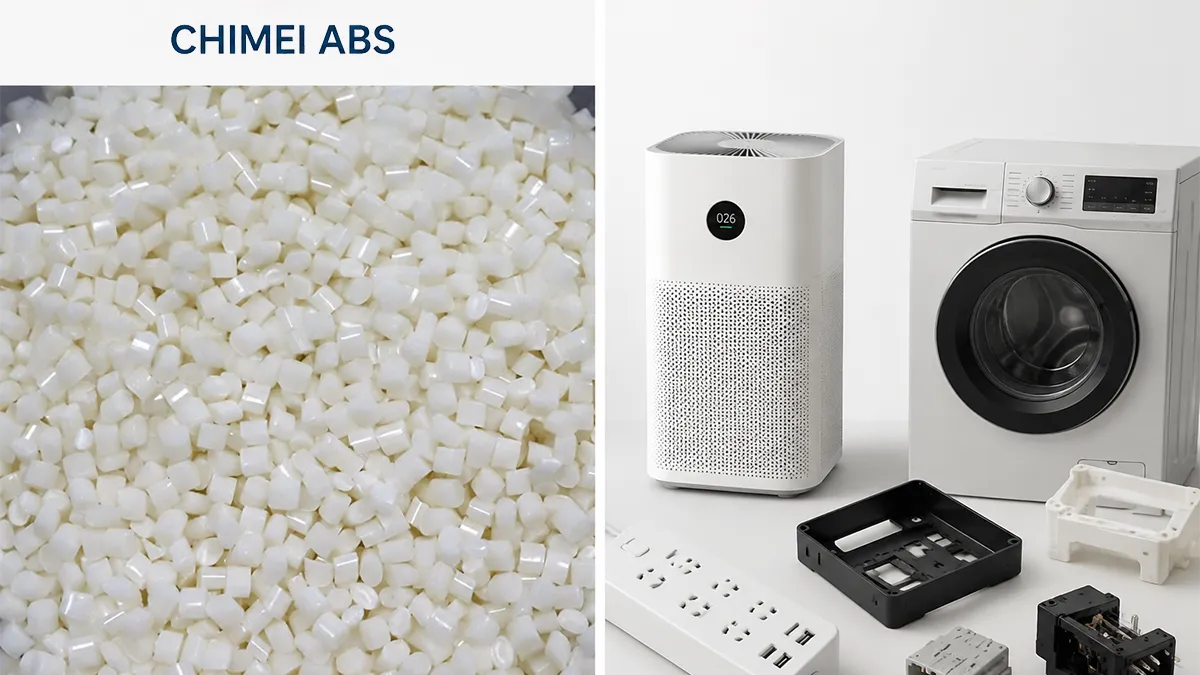
- Acrylonitrile Butadiene Styrene (ABS): Amorphous; processes between 200℃ – 250℃. Known for its excellent balance of flowability and impact strength.
- Polycarbonate (PC): Amorphous with a high glass transition (Tg ~ 150℃; processes between 280℃ – 320℃. Requires high barrel temperatures and precise pressure control to manage its high melt viscosity.
Sustainable & Bio-based Polymers (Specialized Thermal Care)
Bio-based resins have unique thermal windows and require expert heat management to prevent molecular degradation.
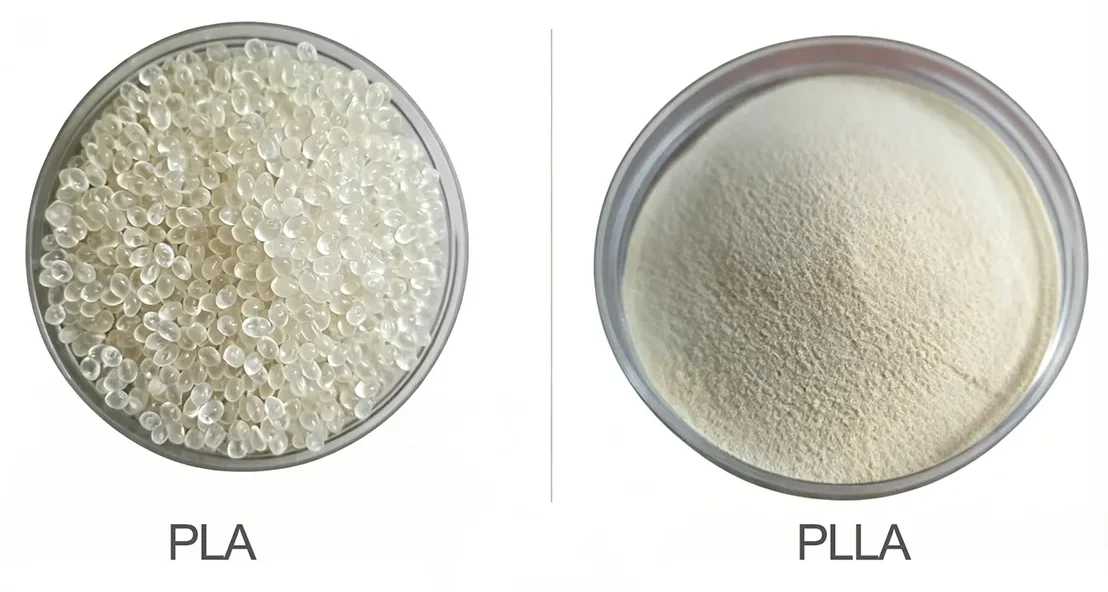
- Polylactic Acid (PLA): 150℃ – 180℃. PLA is extremely heat-sensitive; minimizing residence time in the barrel is key to preventing material brittleness.
- Polyhydroxyalkanoates (PHA): 130℃ – 180℃ (depending on grade). PHA offers a narrower processing window than PP, requiring stable temperature profiles to maintain melt strength.
- Thermoplastic Starch (TPS) & Blends: 110℃ – 160℃. Often blended with other bio-polymers to optimize flexibility and processability.
Comparative Melting Point Overview
Common plastics span melting points and processing temperatures from roughly 85°C–115°C for lower melting materials up to over 300°C for specialty polymers. Lower melting plastics suit general-purpose uses; higher melting polymers meet specialized, high-temperature demands.
Lower Melting Point Plastics (100-160°C)
Resins suitable for general packaging and heat-sensitive applications.
- LDPE – 105-115°C – Packaging films, squeeze bottles, flexible lids.
- HDPE – 120-135°C – This high density polymer plastic is a top choice for industrial containers, pipes, and household bottles due to its thermal stability and impact resistance.
- LLDPE – 120-125°C – High-strength films, rotomolding, stretch wrap.
- TPS (Bio-based) – 110-160℃ – Compostable bags, flexible bio-blends, starch-based packaging.
- PHA (Bio-based) – 130-180°C – Biodegradable mulch films, straws, single-use cutlery. (Note: Requires precise thermal management).
Medium Melting Point Plastics (160–220°C)
The most common range for engineering components and durable consumer goods.
- PLA (Bio-based) – 150-180°C – 3D printing filaments, eco-friendly food service ware, textile fibers.
- PP – 160-165°C – Automotive interiors, medical containers, microwave-safe packaging.
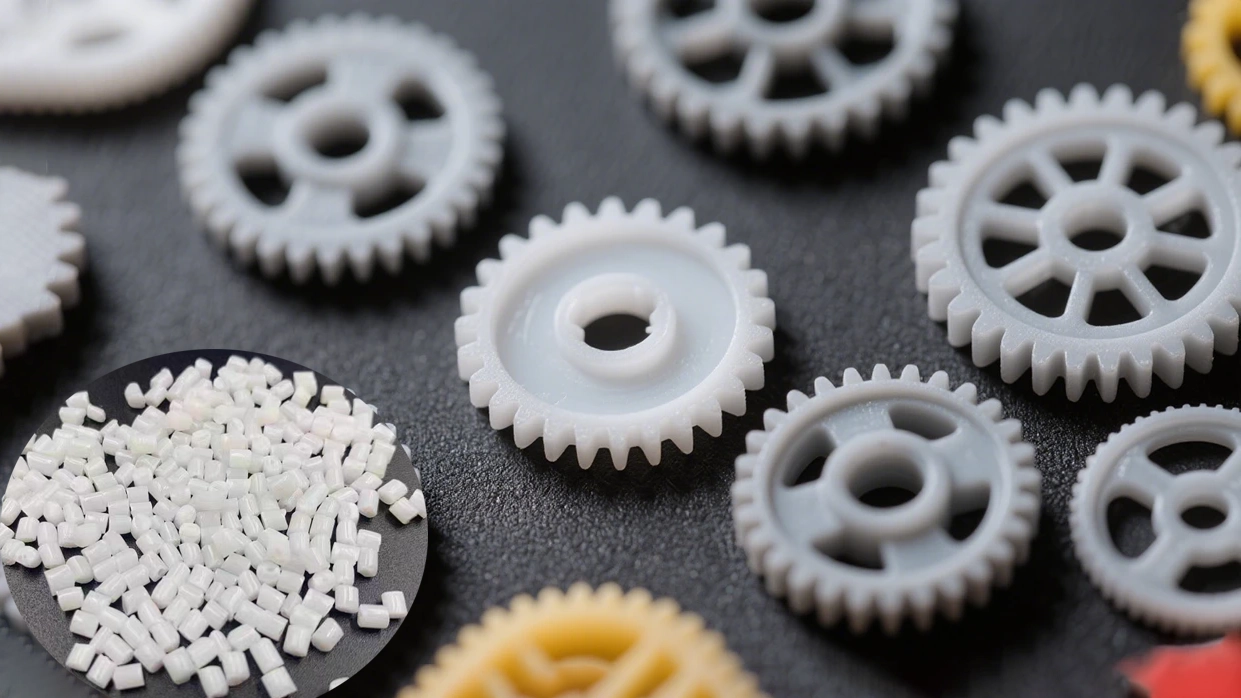
- POM-C (Copolymer) – 163-168°C – High-precision gears, fuel system components, low-friction bearings.
- PS – 180-240°C processing – Food trays, disposable cups, protective foam packaging.
- ABS – 200-250°C (Processing) – Automotive trim, electronic housings, high-impact toys.
Higher Melting Point Plastics (220–320°C)
High-performance engineering resins for extreme environments and structural integrity.
- Nylon 6 (PA6)- 215-225°C – Industrial gears, heavy-duty fibers, engine components.
- Nylon 6/6 (PA66) – 255-265°C – High-heat automotive parts, electrical connectors, power tool housings.
- PC – 280-320°C processing – Optical lenses, safety shields, automotive lighting, robust electronics.
Thermal Stability
The success of your production run depends on the consistency of your raw materials. We prioritize the purity and Molecular Weight Distribution (MWD) of our resins. Whether you are running high-speed injection lines with POM-C M90 or developing plastic-free solutions with our PHA emulsions, our materials provide a stable and predictable melting profile.
By reducing batch-to-batch thermal variance, we help you minimize nozzle carbonization, reduce scrap rates, and maintain a wider, more forgiving processing window.
Temperature Control Warning: Do not exceed recommended processing temperatures. Thermal degradation reduces mechanical properties, causes discoloration, and can release harmful byproducts.
Ready to Optimize Your Production Efficiency?
Don’t let inconsistent melting behavior lead to costly scrap. Whether you are looking for high-precision POM-C or exploring the future with PHA/PLA bioplastics, our technical team is here to help you define the perfect processing window.
About SalesPlastics
Understanding the unique melting points and thermal behaviors of polymers is not just a technical requirement—it is a strategic advantage. Precise temperature control ensures consistent part quality, minimizes scrap rates, and optimizes energy consumption. Whether you are processing traditional polyolefins or cutting-edge bioplastics, the key to success lies in the stability and purity of your raw materials.
About SalesPlastics
SalesPlastics is a leading distributor and consultant specializing in high-performance plastic resins. Strategically headquartered in Jiaxing City, China—near the Shanghai Port—we provide global manufacturers with the materials and technical expertise needed to excel in today’s competitive market.
Our Core Product Expertise
- Engineering Plastics: We specialize in high-precision resins including POM-C (Acetal Copolymer), Nylon 6, Nylon 6/6, ABS, and Polycarbonate (PC). Our POM-C is specifically chosen for its superior thermal stability compared to homopolymers.
- Sustainable Bioplastics: As pioneers in the green transition, we offer advanced PHA, PLA, and TPS solutions, helping manufacturers achieve “plastic-free” goals without compromising on processability.
- Commodity Polymers: Reliable supply of LDPE, HDPE, LLDPE, and PP for high-volume manufacturing.
Technical Support & Value-Added Services
Beyond material supply, our engineers work alongside your production team to reduce your Total Cost of Ownership (TCO) through:
- Parameter Optimization: Calibrating your injection molding or extrusion profiles to match our resins’ specific Tm and flow characteristics.
- Quality Assurance: Every batch is verified for consistent Molecular Weight Distribution, ensuring your “Set Temperature” always yields a predictable melt.
- Sustainability Consulting: Advising on bio-based transitions and energy-saving strategies through lower-temperature material alternatives.
Because melting point and processing temperatures vary by application, our team helps match materials and processing parameters to your specific temperature and performance needs.
Why Choose SalesPlastics?
- Reliable Material Purity: Reduced batch-to-batch variability means a wider, more forgiving processing window for your machines.
- Global Reach, Local Support: From our base near major logistics hubs, we ensure just-in-time delivery and responsive technical troubleshooting worldwide.
- Future-Ready Solutions: We bridge the gap between traditional manufacturing and the next generation of biopolymer technology.

Don’t let thermal variability disrupt your production line. Contact our technical team today for detailed Technical Data Sheets (TDS) or a customized material consultation.