
Polypropylene pp resin


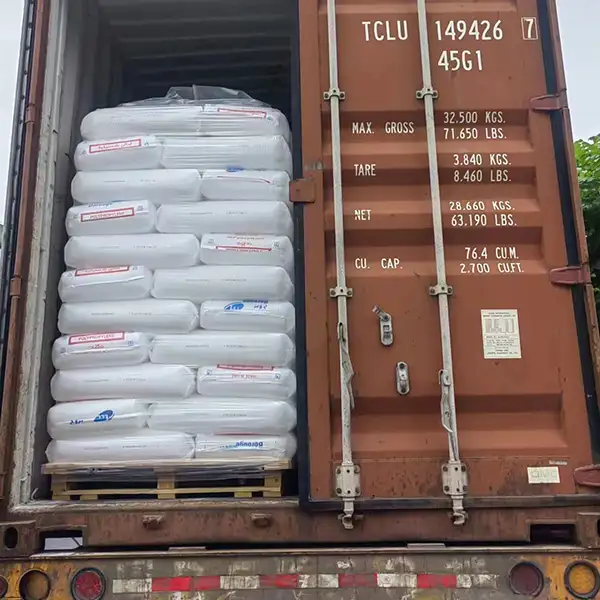


Polypropylene (PP) Pellets
PP resin is one of the most versatile thermoplastics used in injection molding today. Known for its excellent chemical resistance, high rigidity, and low density, PP is a preferred material across a wide range of industries—from automotive components and household appliances to packaging and piping systems.
Its ease of processing and low cost make it especially attractive for manufacturers looking to scale efficiently. For engineers and procurement professionals, PP offers a strong balance between performance and price—making it a smart choice for durable, high-output production.
| Category | Details |
|---|---|
| Appearance | Translucent to opaque, natural white or slightly milky colors |
| HS Code | 39021000 |
| CAS Number | 9003-07-0 |
| ECHA InfoCard | 100.117.813 |
| UNII | 1ASA949VIC |
| CompTox Dashboard (EPA) | DTXSID00872805 |
| Molecular Formula | (C3H6)n |
| Density | 0.855 g/cm³ (amorphous); 0.946 g/cm³ (crystalline) |
| Melting Point | 130 to 171 °C (266 to 340 °F; 403 to 444 K) |
Sales Plastics offer polypropylene resin in different grades to suit your needs. Not sure which one is right for you? Just drop us a message with your requirements, and our team will get back to you within 24 hours—faster than you can say “polypropylene” three times in a row!
Partnering with Global Leaders in Polypropylene
We are an authorized distributor of Borouge PP, a globally trusted name in high-performance polyolefins. Borouge offers consistent quality, excellent flow characteristics, and a wide product range certified by ISO, REACH, and other international standards. With stable logistics and reliable inventory, we ensure smooth sourcing for your production needs.
In addition to Borouge, we also work closely with brands like SABIC, Borealis, and Sinopec, giving you access to multiple sourcing options with competitive lead times and global compliance.
Unlock the Full Potential of Polypropylene for Your Production
Polypropylene Classifications
PP Homopolymer (PPH)
Offers high stiffness, good chemical resistance, and excellent processability. Ideal for rigid parts such as automotive trim, appliance housings, and storage containers. PPH Resin List →
PP Copolymer (PPC)
Blended with ethylene to improve impact resistance. Suitable for products requiring toughness, including pipes, crates, and packaging. PPC Resin List →
PP Random Copolymer (PPR)
Known for good transparency and cold temperature impact resistance. Commonly used in hot and cold water piping and medical containers. PPR Resin List →
Glass-Fiber Reinforced PP
Offers elevated stiffness, heat resistance, and dimensional stability. Excellent for under-the-hood auto parts, electrical housings, and structural components. GF PP Resin →
Supply Various Grades of PP pellets
Scroll horizontally to view the full table on mobile.
| Grade No. | Manufactuer | MFI | Properties | Application |
| RE420MO | Borouge | 13 | DOWNLOAD | Electronic appliances, toys |
| RB707CF | Borouge | 1.5 | DOWNLOAD | Beverage straws, sheets, extrusion molding applications |
| RB307MO | Borouge | 1.5 | DOWNLOAD | Small daily necessities injection molded parts |
| RG568MO | Borouge | 30 | DOWNLOAD | Cooling boxes, thermos flasks, flower pots, small appliances, syringes |
| RJ768MO | Borouge | 70 | DOWNLOAD | Electronic appliances, automobiles |
| BJ368MO | Borouge | 70 | DOWNLOAD | Articles for daily use |
| HJ330MO | Borouge | 70 | DOWNLOAD | |
| BD265MO | Borouge | 7 | DOWNLOAD | |
| BD950MO | Borouge | 7 | DOWNLOAD | Packaging tools, containers |
| BH975MO | Borouge | 38 | DOWNLOAD | Shells, cups, shield |
| BF970MO | Borouge | 20 | DOWNLOAD | Sealed appliances, toys |
| RA140E | Borouge | 0.3 | DOWNLOAD | Food, medical containers |
| RA150E | Borouge | 0.3 | DOWNLOAD | Bottle caps, containers, household items |
| H030SG | Reliance | 3.4 | DOWNLOAD | Rigid packaging, food containers |
| H110MA | Reliance | 11 | DOWNLOAD | Furniture, shells, shield |
| H200MA | Reliance | 25 | DOWNLOAD | Sporting goods, toys |
| J-580S | LOTTE | 35 | DOWNLOAD | Containers, packaging boxes, furniture |
| JM-350 | LOTTE | 10 | DOWNLOAD | Toys, containers, sporting goods |
| SJ-170T | LOTTE | 28 | DOWNLOAD | Furniture, daily supplies |
| R200P | Hyosung | 0.25 | DOWNLOAD | Household supplies, packaging, shells, shield |
| RP2400 | Yuhwa | 0.25 | DOWNLOAD | Pallets, buckets |
| HG385MO | Borouge | 25 | DOWNLOAD | Screw caps, bottle caps, hinge caps, thick parts |
| HC205TF | Borouge | 4 | DOWNLOAD | Containers, lids, package, dairy containers |
PP-R (Polypropylene Random Copolymer) is produced by randomly copolymerizing propylene with a small amount of ethylene, enhancing flexibility and heat resistance. View All
| Grade No. | Manufactuer | MFI | Properties | Application |
| RD265CF | Borouge | 8 | DOWNLOAD | Metallisable cast film, Multilayer co-extrustioni film |
| RD208CF | Borouge | 8 | DOWNLOAD | Lamination film, Cast film, Stretch film, textile packaging,sealing layer for co-extrustion |
| RD239CF | Borouge | 8 | DOWNLOAD | Lamination tubes, Stationery film, textile packaging,tissue layer film |
| RE420MO | Borouge | 13 | DOWNLOAD | Pails, Food containers, lids, drinking water bottles |
| RG568MO | Borouge | 30 | DOWNLOAD | Hinged closures, pumps and closure assemblies, food container,media packags |
| RJ768MO | Borouge | 70 | DOWNLOAD | Household items, thin wall products, caps |
| RJ766MO | Borouge | 70 | DOWNLOAD | Household items, thin wall products, caps |
| RF825MO-12 | BOROUGE | 20 | DOWNLOAD | Disposable diagnostic equipment, medical needles, connecting catheters |
| RF830MO-12 | BOROUGE | 20 | DOWNLOAD | Medical needles, connecting catheters |
| RJ880MO-12 | BOROUGE | 45 | DOWNLOAD | Boxes, bottle caps, medical care supplies |
| R200P | HYOSUNG | 0.25 | DOWNLOAD | Hot and cold water pipe |
| RP2400 | YUHWA | 0.25 | DOWNLOAD | Pressure pipes, hot water and floor heating pipes |
| PPR3221 | Total | 1.8 | DOWNLOAD | Cosmetics packaging, daily necessities packaging, consumables |
| PPR7220 | Total | 10 | DOWNLOAD | Cosmetic bottle caps, household items |
| RC5003 | POLYMIRAE | 13 | DOWNLOAD | Household items, containers, vases |
| R3410 | LG | 7 | DOWNLOAD | |
| R680S | SK | 28 | DOWNLOAD | Transparent tape, laminate, food packaging applications |
| BH3820 | SK | 28 | DOWNLOAD | Industrial applications, automotive applications, electrical appliances |
| SM198 | LOTTE | 1.6 | DOWNLOAD | Containers, lids, plates, structural parts |
| SM488 | LOTTE | 20 | DOWNLOAD | Containers, storage containers, baby bottles, medical care products, household products |
| SM498 | LOTTE | 20 | DOWNLOAD | Containers, packaging, bottles, large products |
| SM598 | LOTTE | 30 | DOWNLOAD | Storage container, thin wall container |
| 9074ED | ExxonMobil | 24 | DOWNLOAD | Medical packaging, hypodermic syringe components, medical applications |
| 4935 | Sabic | 0.3 | DOWNLOAD | Industrial applications |
| QR6701K | Sabic | 10 | DOWNLOAD | Transparent Household items and package, caps,electrical appliance |
| QR6731K | Sabic | 25 | DOWNLOAD | Transparent Household items and package, caps,electrical appliance |
| QR6711K | Sabic | 45 | DOWNLOAD | Household items, thin wall products, caps |
| 3140NN | IRPC | 11 | DOWNLOAD | Baby bottles, microwave containers, injection stretch blow molding applications |
| 3342R | IRPC | 20 | DOWNLOAD | Food containers, storage boxes, household items |
| 3342M | IRPC | 9 | DOWNLOAD | Containers, bottles, storage boxes, household items, transparent parts |
| 3375RM | IRPC | 24 | DOWNLOAD | Waterproof canvas, BOPP film, paper coating, extrusion coating supplies |
| K4510 | IRPC | 10 | DOWNLOAD | Baby bottles, household items |
| K4510B | IRPC | 10 | DOWNLOAD | Food containers, household items |
| K4510ET | IRPC | 10 | DOWNLOAD | Disposable syringes, medical devices, household products |
| K4527 | IRPC | 27 | DOWNLOAD | Household items |
| K4527B | IRPC | 27 | DOWNLOAD | Household items |
| K4527ET | IRPC | 27 | DOWNLOAD | Disposable syringes, medical devices |
| K4527GR | IRPC | 27 | DOWNLOAD | Disposable syringes, medical devices, household products |
PP-H (Polypropylene Homopolymer) is completely made of propylene polymerization, has good high temperature resistance, and can be used in a temperature environment of 80℃-90℃. View All
| Grade No. | Manufactuer | MFI | Properties | Application |
| H540 | LG | 8 | DOWNLOAD | Auto parts, electrical appliances |
| H1500 | LG | 12 | DOWNLOAD | Electronic appliances, toys |
| H930F | SK | 3.5 | DOWNLOAD | Beverage straws, sheets, extrusion molding applications |
| HP500N | Arak | 12 | DOWNLOAD | Small daily necessities injection molded parts |
| HP502N | Arak | 12 | DOWNLOAD | Cooling boxes, thermos flasks, flower pots, syringes |
| 2100N | ORPIC | 11 | DOWNLOAD | Electronic appliances, automobiles |
| 1100N | ORPIC | 12 | DOWNLOAD | Articles for daily use,appliance parts |
| 130400000 | Exxon | 11 | DOWNLOAD | Packaging tools, containers |
| 136400 | Exxon | 12 | DOWNLOAD | Shells, cups, shield,agricultural applications |
| 6431 | Basell | 7.5 | DOWNLOAD | Sealed appliances, toys |
| HP400M | Basell | 7.5 | DOWNLOAD | Food, medical containers |
| HP400H | Basell | 2 | DOWNLOAD | Bottle caps, containers, household items |
| HP401H | Basell | 2.2 | DOWNLOAD | Rigid packaging, food containers |
| HP502N | Basell | 11 | DOWNLOAD | Furniture, shells, shield |
| 6331 | Basell | 12 | DOWNLOAD | Sporting goods, toys |
| HP500N | Basell | 12 | DOWNLOAD | Containers, packaging boxes, furniture |
| HP602N | Basell | 12 | DOWNLOAD | Toys, containers, sporting goods |
| HP401R | Basell | 25 | DOWNLOAD | Furniture, daily supplies,automotive parts |
| HJ333MO | Borouge | 70 | DOWNLOAD | Household supplies, packaging, shells, shield |
| HE120MO | Borouge | 12 | DOWNLOAD | Pallets, buckets,Extrusion, pipes, sheets, structural parts |
| HG385MO | Borouge | 25 | DOWNLOAD | Screw caps, bottle caps, hinge caps, thick parts |
| HC205TF | Borouge | 4 | DOWNLOAD | Containers, lids, package, dairy containers |
| HJ4006 | KPIC | 6 | DOWNLOAD | Microwave tray, food storage bin,small appliances |
| HJ4012 | KPIC | 12 | DOWNLOAD | Microwave tray, food storage bin,Packaging films |
| 4017 | KPIC | 8.5 | DOWNLOAD | Home appliance, industrial components |
| 4017M | KPIC | 14 | DOWNLOAD | Electrical parts, industrial parts,industrial textiles |
| HJ4045 | KPIC | 45 | DOWNLOAD | Household goods, electronics and appliance |
| 6431 | TITAN | 7.5 | DOWNLOAD | Airtight container, toys, high-stiffness components |
| 6331 | TITAN | 14 | DOWNLOAD | Housewares,Packaging, consumer goods, general molding |
| 570P | Sabic | 8 | DOWNLOAD | Hard packaging, daily necessities, sealed injection mold |
| 5702P | Sabic | 9 | DOWNLOAD | Containers, furniture, toys |
| 575P | Sabic | 11 | DOWNLOAD | Hard packaging, sealed injection mold |
| J700N | HYOSUNG | 11 | DOWNLOAD | Daily supplies, packaging bag |
Impact PP copolymer(PP-Impact) is a thermoplastic polymerized from propylene using a Ziegler-Natta catalyst system, offering enhanced toughness and impact resistance. View All
| Grade No. | Manufactuer | MFI | Properties | Application |
| BJ368MO | Borouge | 70 | DOWNLOAD | Articles for daily use |
| BD265MO | Borouge | 7 | DOWNLOAD | |
| BD950MO | Borouge | 7 | DOWNLOAD | Packaging tools, containers |
| BH975MO | Borouge | 38 | DOWNLOAD | Shells, cups, shield |
| BF970MO | Borouge | 20 | DOWNLOAD | Sealed appliances, toys |
| JM-350 | LOTTE | 10 | DOWNLOAD | Toys, containers, sporting goods |
| BE961MO | Borouge | 12 | DOWNLOAD | Furniture, daily supplies |
| 36MK10 | Sabic | 5.5 | DOWNLOAD | Household supplies, packaging, shield |
| RP2400 | Yuhwa | 0.25 | DOWNLOAD | Pallets, buckets |
Short Glass Modified PP is a polypropylene (PP) composite reinforced with Short Glass Fiber (SGF) for improved strength and rigidity.View All
| Grade No. | Manufactuer | MFI | Properties | Application |
| H1030 | SABIC | 8 | DOWNLOAD | Developed for E&E and automotive injection molded applications |
| H1025 | SABIC | 8 | DOWNLOAD | Developed for E&E and automotive injection molded applications |
| H1015 | SABIC | 15 | DOWNLOAD | Developed for E&E and automotive injection molded applications |
| H1200 | SABIC | 13 | DOWNLOAD | Injection molded applications |
| 8500C | SABIC | 10 | DOWNLOAD | Injection molding |
| 7451B | SABIC | 20 | DOWNLOAD | Injection molding |
| 8620A | SABIC | 21 | DOWNLOAD | Injection molding |
| 8620 | SABIC | 23 | DOWNLOAD | Injection molding |
| 8520U | SABIC | 25 | DOWNLOAD | Automotive exterior applications |
| 8611A | SABIC | 34 | DOWNLOAD | Injection molding |
| 8611P | SABIC | 37 | DOWNLOAD | Injection molding |
| CX03B81 | SABIC | 10 | DOWNLOAD | Aesthetic automotive interior parts |
| 9712 | SABIC | 14 | DOWNLOAD | Automotive interior applications |
| CX0281 | SABIC | 15 | DOWNLOAD | Aesthetic automotive interior parts |
| 3720E | SABIC | 18 | DOWNLOAD | Non – aesthetic automotive interior parts |
| 9120 | SABIC | 21 | DOWNLOAD | Aesthetic automotive interior parts |
| G3240A | SABIC | 11 | DOWNLOAD | Under – the – hood and structural applications |
| G3230A | SABIC | 12 | DOWNLOAD | Designed to combine a good performance profile with fast processing |
| G3230AE | SABIC | 12 | DOWNLOAD | Combines good performance profile with fast processing, low emission values |
| G3220A | SABIC | 17 | DOWNLOAD | Combines a good performance profile with fast processing |
| G3135X | SABIC | 1.2 | DOWNLOAD | Air inlet manifolds |
| G3225UX | SABIC | 3 | DOWNLOAD | Pool filter housings |
| 55T1040 | SABIC | 3 | DOWNLOAD | General purpose injection molding applications |
| 55T1030 | SABIC | 4 | DOWNLOAD | dashboard carriers and other dashboard components |
| S3625 | SABIC | 6 | DOWNLOAD | Automotive interior applications |
| 15T1030 | SABIC | 6 | DOWNLOAD | Under – the – hood such as heating, ventilation and air conditioning housings |
| 15T1020 | SABIC | 7 | DOWNLOAD | Under – the – hood such as heating, ventilation and air conditioning housings |
| 31T1010 | SABIC | 11 | DOWNLOAD | General purpose injection molding applications |
| G3230X | SABIC | 12 | DOWNLOAD | Under – the – hood and structural applications |
| 37T1020 | SABIC | 13 | DOWNLOAD | Specially developed for automotive interior parts such as column cladding and door panels |
| 19T1020 | SABIC | 18 | DOWNLOAD | General purpose injection molding applications |
| 19T1040 | SABIC | 18 | DOWNLOAD | Injection molded applications requiring a very high modulus and high thermal stability |
| 19T1030 | SABIC | 19 | DOWNLOAD | General purpose injection molding applications |
Long Glass Modified PP is a polypropylene (PP) composite reinforced with Long Glass Fiber (LGF) for improved strength, rigidity, and impact resistance. View All
| Grade No. | Manufactuer | MFI | Properties | Application |
| 30YH515 | SABIC | N/A | DOWNLOAD | Specially developed for electrical & electronic injection molded applications |
| 30YH530 | SABIC | N/A | DOWNLOAD | Developed for E&E and automotive injection molded applications |
| 20YM240 | SABIC | N/A | DOWNLOAD | Interior and under-the-hood applications such as door structures |
| 30YM240 | SABIC | N/A | DOWNLOAD | Interior and under-the-hood applications such as door structures |
| 30YM243 | SABIC | N/A | DOWNLOAD | Interior and under-the-hood applications such as door structures |
| 40YM240 | SABIC | N/A | DOWNLOAD | Interior and under-the-hood applications such as door structures |
| 40YM243 | SABIC | N/A | DOWNLOAD | Interior and under-the-hood applications such as door structures |
| 20YK270 | SABIC | N/A | DOWNLOAD | Automotive interior injection molded applications such as IP |
| 30YK270 | SABIC | N/A | DOWNLOAD | Automotive interior injection molded applications such as IP |
| 60YM240 | SABIC | N/A | DOWNLOAD | Specially developed for dilution with SABIC PP homopolymer |
| 60YM241 | SABIC | N/A | DOWNLOAD | Specially developed for dilution with SABIC PP copolymer |
| 60YK270 | SABIC | N/A | DOWNLOAD | Specially developed for dilution with SABIC PP copolymer |
We're here to meet all your PP resin needs
Polypropylene resin FAQs
What is polypropylene
Definition of Polypropylene
Polypropylene (PP) — commonly known by its abbreviation PP — is a synthetic resin produced through the polymerization of propylene monomers. As a member of the polyolefin family and a semi-crystalline thermoplastic, polypropylene offers a unique combination of durability, chemical resistance, and versatility. Thanks to its efficient polymerization process and adaptable properties, PP is widely used across industries such as injection molding, packaging, automotive manufacturing, textiles, and medical devices. For engineers and buyers, PP remains a go-to material for reliable, cost-effective production.
Properties and Applications
One of the standout features of polypropylene is its high melting point, such as microwave-safe food containers and medical instruments. Its low density allows for lightweight yet robust products, while its chemical resistance makes it a preferred material in industrial settings. Polypropylene is available in two primary forms: homopolymer and copolymer. Homopolymer PP offers superior strength and stiffness, making it suitable for rigid products like plastic chairs and storage containers. Copolymer PP, on the other hand, provides enhanced impact resistance, ideal for automotive components and flexible packaging. Globally, this material is recognized under various names, such as polypropenplast and polipropileno, highlighting its extensive use across different markets.
Polypropylene in Everyday Life
From household items like reusable shopping bags and storage bins to industrial applications such as ropes and battery casings, its versatility is evident. In the medical sector, polypropylene is commonly used in syringes, surgical instruments, and protective masks due to its biocompatibility and sterility. It’s highly recyclable, making it a material in eco-friendly initiatives.
is polypropylene safe
What Makes Polypropylene a Safe Choice?
One of the primary reasons polypropylene (PP) is regarded as a safe and non-toxic plastic is its absence of BPA (Bisphenol A), a chemical found in certain plastics that has raised health concerns. Thanks to its chemical stability, PP does not release harmful substances when used appropriately, making it a trusted material for food packaging, baby bottles, and medical supplies. PP resistance to moisture and chemicals further ensures durability and safety, preventing degradation or toxin release under normal conditions.
Is Polypropylene Safe for Food and Microwaves?
Polypropylene designed for microwave use can typically endure temperatures between -20°C to 120°C (-4°F to 248°F), with some modified pp capable of withstanding up to 140°C (284°F) or higher. Its high melting point and heat stability make it a practical choice for food storage containers, microwave-safe dishes, and reusable water bottles. However, it’s essential to check for manufacturer guidelines to ensure safe usage.
Environmental and Health Considerations for Polypropylene
As one of the most commonly recycled plastics, polypropylene helps reduce environmental impact. Free from additives like BPA and phthalates, it offers a safer alternative for both consumers and ecosystems. While PP is non-toxic under normal conditions, improper disposal or incineration can generate harmful emissions. Therefore, recycling remains the most sustainable method to manage its use and disposal effectively.
polypropylene melting point
What Is the Melting Point of Polypropylene?
Polypropylene (PP) melting point typically falls within the range of 130°C to 171°C (266°F to 340°F), depending on its type and manufacturing process. The exact temperature at which polypropylene melts varies based on its molecular structure and composition.
There are two primary types of polypropylene, each exhibiting distinct melting characteristics:
- Homopolymer Polypropylene: This is the most commonly used form, consisting solely of propylene monomers. It has a higher melting point, generally between 160°C and 171°C (320°F to 340°F), making it well-suited for heat-resistant applications such as microwave-safe containers and piping systems.
- Copolymer Polypropylene: This variant incorporates other monomers, such as ethylene, to improve impact resistance and flexibility. Copolymer PP has a lower melting point, typically between 130°C and 160°C (266°F to 320°F), making it ideal for food packaging and automotive components.
Additional factors influencing polypropylene’s melting behavior include additives, crystallinity, and processing techniques. For instance, reinforced polypropylene containing fillers like glass fibers may exhibit slightly altered thermal properties.
Polypropylene’s Glass Transition Temperature
Polypropylene also has a glass transition temperature (Tg), which refers to the temperature range at which the material shifts from a rigid, glass-like state to a more pliable, rubber-like form. For polypropylene, this temperature is typically around –10°C to 0°C (14°F to 32°F). Below this range, the material becomes more brittle, which is a critical factor for applications exposed to extreme cold.
Why Is Polypropylene’s Melting Point Important?
- Heat Resistance: Products exposed to high temperatures, such as medical sterilization equipment or dishwasher-safe containers, must be made from materials with stable thermal properties.
- Processing and Manufacturing: The melting temperature determines how polypropylene can be molded, extruded, or welded in industrial applications.
- Recycling Considerations: Proper recycling of polypropylene requires knowledge of its thermal properties to prevent degradation and ensure material reusability.
Versatile Applications of Polypropylene Resin
Polypropylene in the Packaging Industry
Food Containers and Packaging: PP’s resistance to chemicals and heat makes it ideal for microwave-safe containers, yogurt cups, and takeaway packaging.
Bottles and Caps: Known for its durability, PP is used to mold lightweight bottles and secure caps.
Flexible Packaging Films: PP films are used in packaging for snacks, labels, and various materials, as they provide an effective barrier against moisture and stains.
Automotive
Interior Components: PP’s durability and impact resistance make it perfect for dashboards, door panels, and seat covers.
Battery Casings: Its chemical resistance ensures PP is a suitable material for protective battery casings.
Bumpers and Exterior Parts: The impact resistance of PP makes it ideal for automotive bumpers and trims.
Medical and Healthcare
Syringes and IV Components: PP is non-toxic and heat-resistant, making it ideal for use in syringes and IV tubing.
Surgical Instruments and Trays: Many disposable surgical tools and hospital trays are made from PP because of its cost-effectiveness and sterility.
Protective Masks and Medical Textiles: Nonwoven PP fibers are used in surgical masks, protective clothing, and disposable hygiene products.
Household and Consumer Goods
Storage Containers and Boxes: Thanks to its lightweight and sturdy nature, PP is ideal for home organization solutions.
Furniture and Home Decor: Many plastic chairs, tables, and decorative pieces are crafted from polypropylene.
Reusable Bags and Textiles: PP fibers are used in nonwoven shopping bags, carpets, and ropes due to their strength and abrasion resistance.
Industrial and Construction
Pipes and Pipe Components: Widely used for piping, PP offers resistance to corrosion and chemical degradation.
Electrical Insulation: Its insulating properties make polypropylene a popular choice for various electrical components.
3D Printing and Manufacturing: PP is increasingly used in 3D printing to produce durable, flexible prototypes and industrial parts.
What Are the Types of PP Resin?
1. Homopolymer Polypropylene (PP-H)
Homopolymer polypropylene is the most commonly used form of polypropylene. It is produced by polymerizing only propylene monomers.
- Packaging: Food containers, bottles, and packaging films.
- Automotive Parts: Interior components such as dashboards, door panels, and trims.
- Industrial Applications: Storage tanks, pipes, and chemical containers.
2. Copolymer Polypropylene (PP-C)
Copolymer polypropylene is produced by combining propylene with another monomer, typically ethylene. The two main types of copolymer polypropylene are random copolymers and block copolymers, each having different molecular structures that influence their properties.
Random Copolymer (PP-R): In this type, the ethylene units are randomly distributed along the polypropylene chain. PP-R offers improved impact resistance, especially at lower temperatures, compared to homopolymer PP. It is commonly used in applications such as:
- Food packaging
- Medical products (syringes, vials)
- Consumer goods
Block Copolymer (PP-B): In block copolymers, ethylene is present in blocks, rather than randomly arranged, which provides a better balance of rigidity and impact resistance. This type of polypropylene is often used for:
- Automotive parts (bumpers, door trims)
- Home appliances (washing machine parts, refrigerators)
- Construction materials
3. Impact Copolymer Polypropylene (PP-Impact)
Impact copolymer polypropylene is a modified version of PP-C, designed specifically for enhanced impact resistance. It is made by polymerizing propylene with ethylene, but with a specific focus on improving the material’s toughness and resistance to cracking under stress. PP-impact is commonly used in applications requiring high strength and durability, such as:
- Automotive exterior parts (bumpers, body panels)
- Industrial containers and packaging
Heavy-duty storage solutions - Impact copolymer polypropylene combines the rigidity of homopolymer PP with improved impact resistance, making it suitable for both structural and high-impact applications.
4. Polypropylene Fiber (PPF)
Polypropylene fiber is processed into fine threads or filaments. Some applications include:
- Carpets and rugs: Due to its durability and stain resistance.
- Geotextiles: For soil reinforcement and drainage applications.
- Protective clothing: Including medical textiles such as gowns and masks.
5. Expanded Polypropylene (EPP)
Expanded polypropylene (EPP) is created by heating polypropylene beads, which expand and form a foam structure. Such as:
- Packaging: Protective packaging for fragile goods and electronics.
- Automotive: For use in bumpers and interior components.
- Sports equipment: Helmets, padding, and protective gear.
How is PP Pellets Made?
1. Solvent Polymerization
Solvent polymerization involves polymerizing propylene with a solvent to control temperature, pressure, and polymer formation.
Steps:
- Prepare feedstock: Mix propylene with a solvent (e.g., chlorinated olefins).
- Add catalyst: Introduce a catalyst (e.g., aluminum trifluoride or Ziegler-Natta).
- Polymerization: Under controlled conditions, propylene polymerizes into polypropylene.
- Polymer separation: Extract the polypropylene by solvent evaporation.
- Dry and process: Dry and pelletize the polypropylene for use.
2. Solution Polymerization
Solution polymerization dissolves propylene in a solvent and uses a catalyst to initiate polymerization.
Steps:
- Dissolve propylene: Dissolve propylene in a solvent to ensure even polymerization.
- Add catalyst: Add a catalyst (e.g., Ziegler-Natta or metallocene).
- Polymerization: Control temperature and pressure for polymerization.
- Separation and recovery: Separate polypropylene and recover the solvent.
- Dry and pelletize: Dry and cut polypropylene into granules.
3. Liquid Phase Bulk Method
The liquid phase method uses high pressure and temperature to polymerize propylene with a catalyst in liquid form.
Steps:
- Prepare propylene: Use liquid propylene under high pressure.
- Add catalyst: Add a catalyst (e.g., Ziegler-Natta or metallocene).
- Polymerization: Polymerization occurs under controlled temperature and pressure.
- Separation: Filter and centrifuge to remove unreacted propylene.
- Dry and pelletize: Dry and pelletize the polypropylene.
4. Gas Phase Bulk Method
The gas phase method polymerizes propylene gas in a fluidized bed reactor with a catalyst.
Steps:
- Prepare propylene gas: Heat propylene to create a gas.
- Activate catalyst: Add a catalyst (e.g., Ziegler-Natta or metallocene) to the reactor.
- Polymerization: Polymerize propylene in the gas phase in the reactor.
- Polymer deposition: Polypropylene forms and deposits on particles in the reactor.
- Separation and cooling: Separate and cool the polymer.
- Process and pelletize: Dry and pelletize the polypropylene.